



How 3D Printing is Revolutionizing Spare Parts Management – 2021 Update
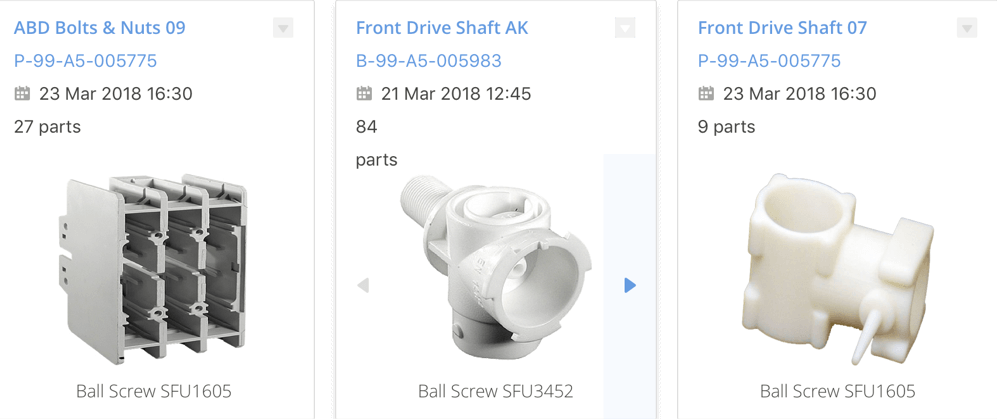
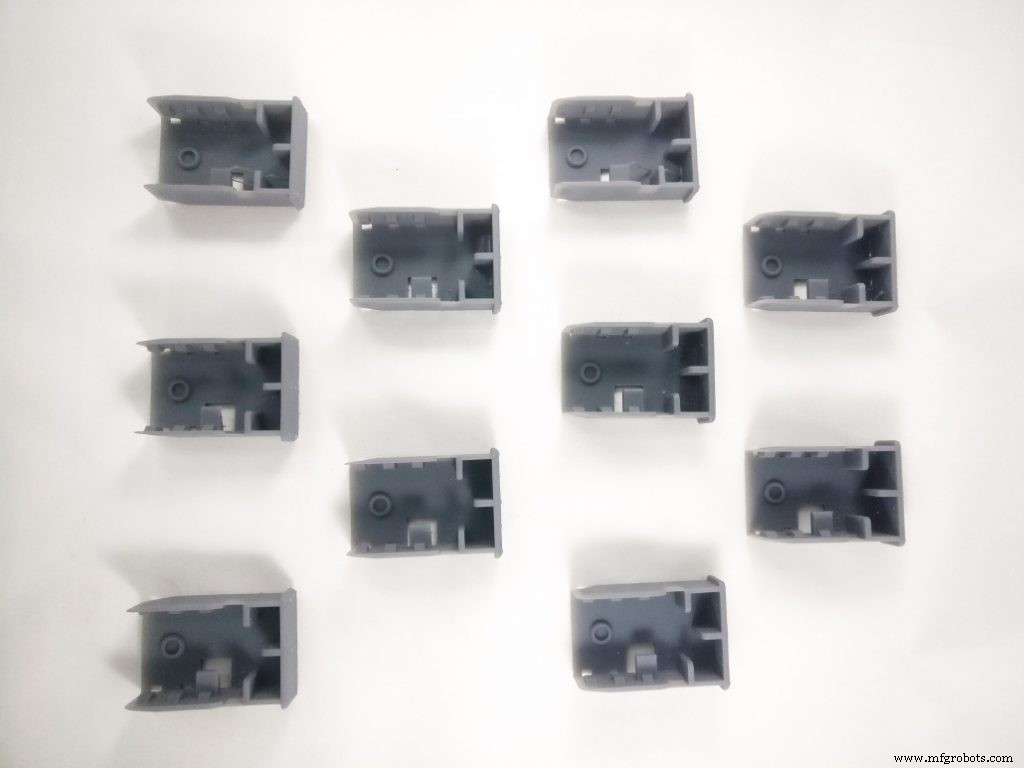
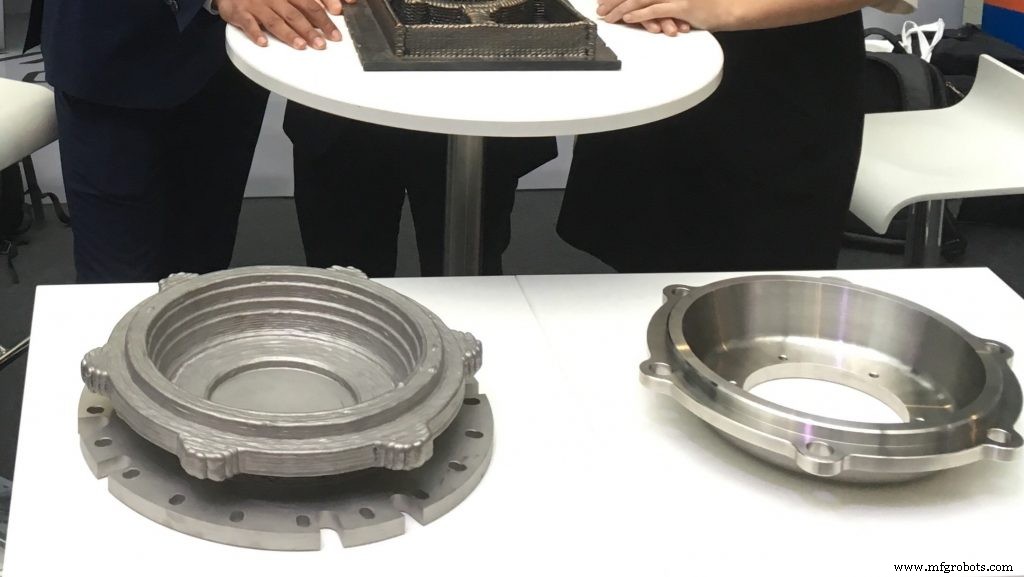
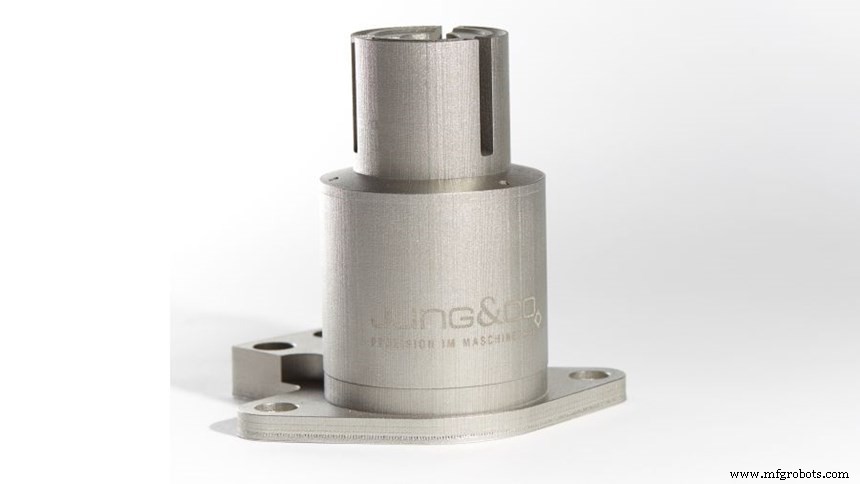
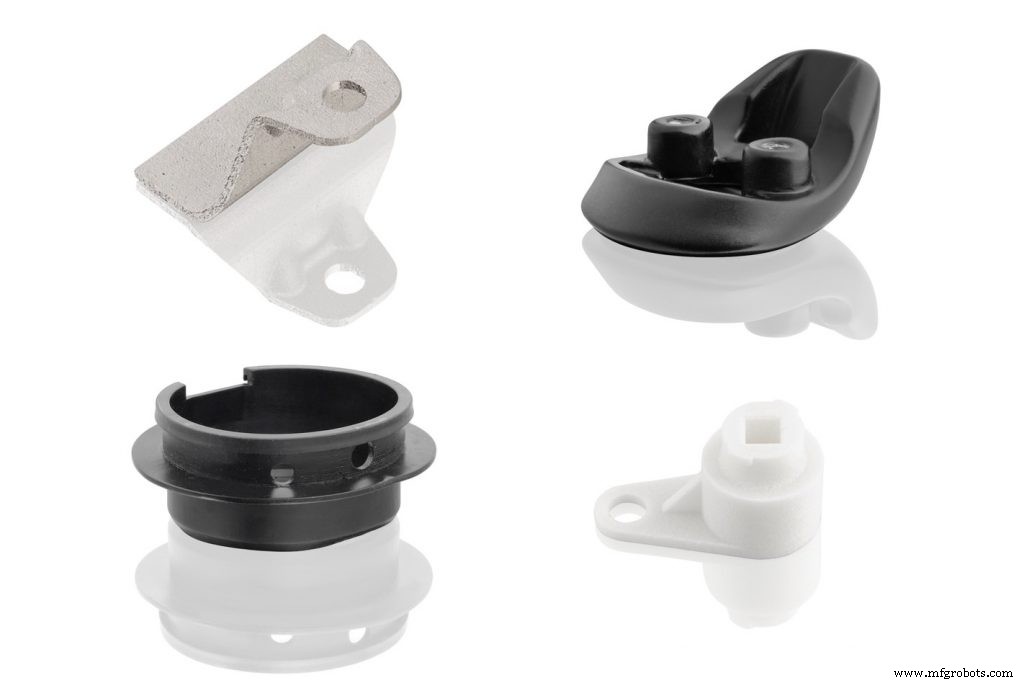
In the spare‑parts industry, the challenge is always to balance production costs, lead times, and inventory levels. 3D printing—an advanced digital manufacturing technology—offers a solution by enabling virtual inventories and on‑demand production, which reduces storage costs and improves service levels. Unlike traditional methods that rely on costly tooling and large batch runs, 3D printing is highly automated and has lower fixed costs, making it ideal for low‑volume production. This advantage is reflected in industry surveys: 33 % of companies surveyed by EY report that 3D printing enhances after‑sales efficiency, while an additional 26 % say it cuts logistics and inventory burdens. In this article we explore the key benefits of 3D printing for spare parts, highlight real‑world case studies, and offer practical guidance for integrating additive manufacturing into your organization. Manufacturers face mounting pressures from high tooling costs, long lead times, and uncertain demand for spare parts. Traditional volume manufacturing spreads fixed costs across many units, but spare parts are often produced in small batches, inflating the unit cost. Long lead times—sometimes weeks—can erode customer satisfaction. In some cases, OEMs abandon certain parts entirely, leaving customers without critical replacements. Additionally, maintaining large warehouses to cover all potential parts is expensive and risky if inventory becomes obsolete. 3D printing addresses many of these pain points by enabling on‑demand production directly from digital designs, eliminating the need for physical tooling and reducing the footprint of physical inventory. Because 3D printing eliminates the cost of molds, dies, and setup, its fixed costs are substantially lower than injection moulding or vacuum forming. This cost advantage is especially pronounced when producing small batch volumes. OEMs can shift from a ‘make‑to‑stock’ to a ‘make‑to‑order’ model by storing design files in a virtual catalogue rather than physical parts. When a low‑demand or obsolete part is required, the design file is sent to a printer, and the part is produced within hours or days. For example, a previously stocked aluminum bracket can now be printed in 24 hours instead of weeks, dramatically improving availability and reducing warehouse costs. Traditional manufacturing often involves 12 + weeks of tooling design, production line setup, and batch production. 3D printing can reduce this to a few days. For instance, a DMLS‑printed aluminum bracket can be ready in 3 days versus 12 weeks for conventional processes. Reverse engineering via 3D scanning allows obsolete parts to be recreated quickly. This agility is critical for high‑value assets where downtime translates to significant revenue loss. Despite its benefits, integrating 3D printing into a supply chain requires addressing several hurdles: Moog, in partnership with Microsoft, ST Engineering, and Air New Zealand, demonstrated localized 3D printing on a Boeing 777‑300. A cabin bumper part was printed in Los Angeles, delivered to the aircraft within 30 minutes of arrival, and installed before the plane resumed its schedule. Compared to a 44‑day traditional lead time, this saved an estimated $30,000 in potential revenue loss. Whirlpool partnered with Spare Parts 3D to digitize 150 parts, testing FDM, SLA, and HP Multi‑Jet Fusion. The first successful part—a PA12 push‑button printed on an MJF machine—proved the viability of the approach, expanding part availability and enhancing customer service. Facing a shortage of wheelset bearing covers for its Class 294 locomotives, Deutsche Bahn used Wire Arc Additive Manufacturing (WAAM) to print a 13 kg cover in just 7 hours, cutting manufacturing time from months to hours and dramatically reducing downtime. Jung & Co. Gerätebau GmbH redesigned a 7‑assembly can filler valve for laser‑based 3D printing. The new part is 35 % lighter, assembled in a single print, and produced in one week—eight times faster than the 8‑week conventional route—cutting downtime costs by up to €30,000 per hour. To support vintage models, Porsche Classic uses metal and plastic 3D printing to produce parts that are no longer manufactured. This eliminates the need for expensive tooling and large inventory, improving service for collectors and preserving heritage models. Deciding between internal additive manufacturing and outsourcing depends on volume, budget, and strategic intent. Small, low‑volume parts may be more economical to outsource to established 3D printing bureaus, while high‑frequency or critical parts might justify an in‑house investment. Begin by identifying candidate parts based on size, complexity, material, and downtime cost. Conduct a feasibility study to assess printability and cost‑benefit. A phased pilot—starting with a single part—provides insights into workflow integration and quality assurance before scaling up. Develop a digital supply network and a roadmap for full integration, leveraging digital inventory systems to manage design libraries, traceability, and compliance. 3D printing enables a shift toward localized, demand‑driven production, reducing reliance on global supply chains and warehousing. By adopting digital inventory and on‑demand manufacturing, companies can lower costs, improve availability, and increase resilience.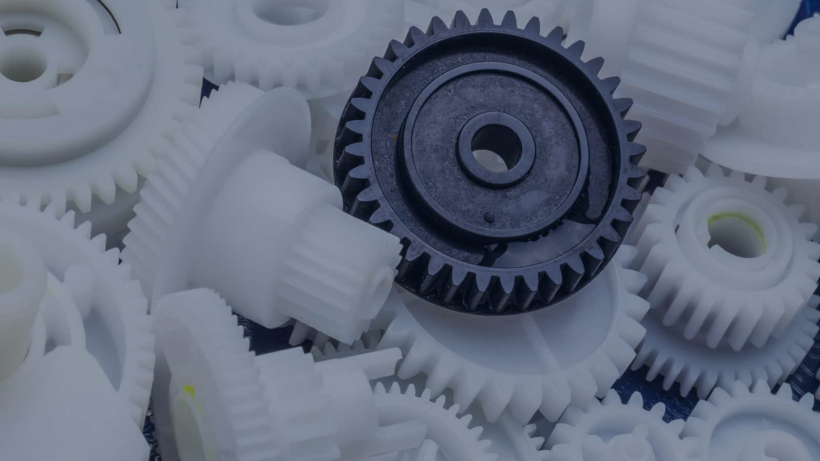
Spare Parts – A Changing Landscape
How 3D Printing Solves Spare‑Part Challenges
Economic Low‑Volume Production
Digital Inventory: Parts on Demand
Faster Lead Times
Challenges in Adopting 3D Printing for Spare Parts
5 Real‑World Examples of 3D‑Printed Spare Parts
1. On‑Demand Aircraft Parts
2. Whirlpool’s Digital Inventory
3. Deutsche Bahn’s On‑Demand Locomotive Parts
4. Beverage Plant Valve Printing
5. Porsche Classic’s Rare Parts
In‑House vs. Outsourced Printing
Getting Started with 3D Printing for Spare Parts
Enhancing Supply‑Chain Flexibility
3D printing
- How 3D Printing Is Revolutionizing the Medical Field: 4 Key Applications & Future Trends
- How 3D Printing Is Revolutionizing Defence – Benefits, Challenges, and Future Applications
- How 3D Printing is Revolutionizing Automotive Production – 2021 Insights
- How 3D Printing is Combatting COVID‑19 Supply Shortages
- Revolutionizing Food & Beverage: How 3D Printing Drives Innovation and Efficiency
- Revolutionizing Cars: How 3D Printing Is Transforming Automotive Design and Production
- How 3D Printing is Driving Innovation in the Automotive Industry
- Rapid Prototyping Revolutionizes Jewelry Design—Speed, Precision, and Creativity
- Revolutionizing Construction: 3D Printing Accelerates and Lowers Costs
- Revolutionizing Spare Parts: The Impact of 3D Printing