



How 3D Printing is Combatting COVID‑19 Supply Shortages
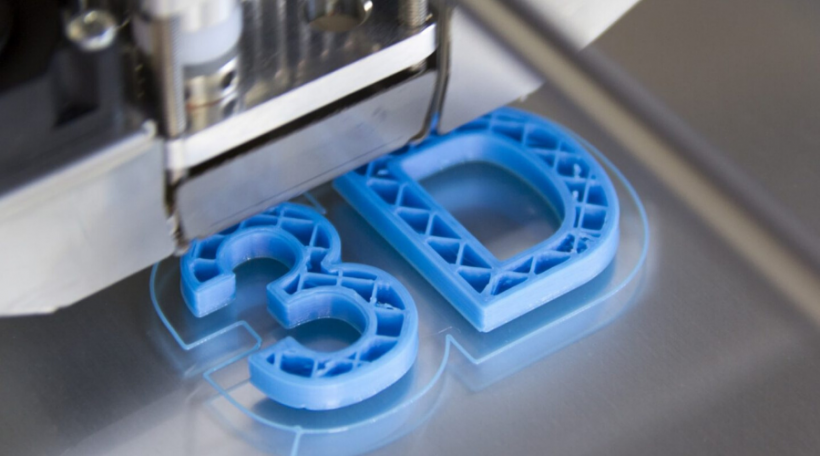
As the COVID‑19 pandemic spread worldwide, 3D‑printing companies responded rapidly to critical shortages in medical supplies.
The surge in patients quickly exhausted protective face masks and essential components for intensive‑care equipment, creating a crisis in supply chains. 3D printing’s ability to produce parts locally and on demand has made it an indispensable tool for hospitals and manufacturers alike.
1. 3D‑printed ventilator valves for intensive‑care units
When Brescia’s Chiari Hospital faced a shortage of ventilator valves, the local 3D‑printing firm Isinnova stepped in. By reverse‑engineering a sample valve, the team produced a functional replacement in days, enabling the machine to support at least 10 patients.
Isinnova later partnered with Decathlon to redesign snorkelling masks for use as CPAP adapters, creating the “Charlotte valve.” The prototype, printed on a stereolithography machine, was successfully tested on a patient, though the authors stress that the device is only for emergency use and is not certified.
2. Rapid production of safety goggles
A Chinese manufacturer deployed 200 plastic extrusion 3D printers to produce safety goggles at a record pace. The R&D team designed the goggles in two weeks, producing over 5,000 pairs that were donated to hospitals. Production is slated to increase from 600 to 2,000 units per day, providing lighter, fog‑resistant eyewear while supply chains recover.
3. 3D‑printed face shields for frontline staff
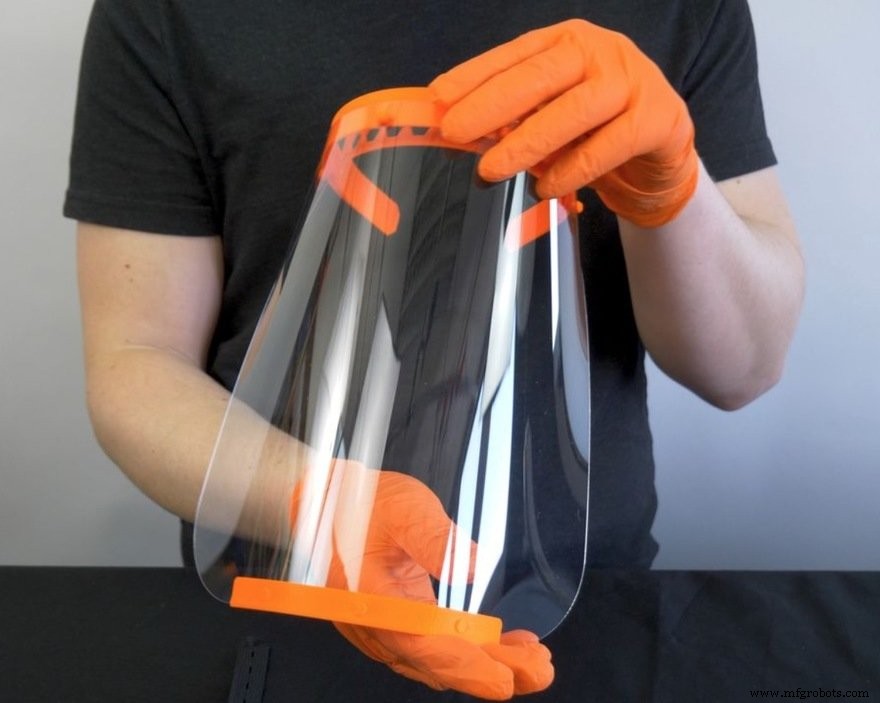
Face shields protect medical personnel from fluid splashes but were in short supply. Polytechnic University of Hong Kong, together with local manufacturers, aims to produce 30,000 shields per day by March’s end. The design—a 3D‑printed frame holding a disposable plastic sheet—fits over surgical masks.
Prusa Research, operating 1,000 extrusion printers, produces 800 shields daily for the Czech Ministry of Health, with plans to donate 10,000 units. Stratasys has mobilized its global network to deliver 5,000 full‑face shields by 27 March.
4. Prototyping COVID‑19 test kits with 3D printing
Diagnostic company Mologic uses Formlabs’ 3D printers to fast‑track the development of portable COVID‑19 test kits. The kits, designed to operate without electricity and without lab analysis, aim to deliver rapid results at the point of care. Prototypes are created in hours, accelerating the move from testing to production.
5. 3D‑printed emergency respirator
In Spain, a partnership between Free Zone Consortium, HP, Leitat (Tecnio), and SEAT has produced a simplified, robust emergency respirator. Medically validated by Hospital Parc Taulí, the design is suitable for industrial‑scale 3D printing, targeting a daily output of 50–100 units by March’s end.
Challenges of 3D‑printing medical supplies
Medical 3D printing raises safety, biocompatibility, and legal concerns, especially regarding patent‑protected devices. The European Association for the Machine Tool Industries (CECIMO) has called for temporary waivers of certain Medical Device Directive requirements during this crisis. Companies such as Carbon, Formlabs, and Shapeways are partnering with established medical manufacturers to ensure compliance and safety.
Overcoming supply‑chain disruptions with 3D printing
3D printing’s speed and local production capabilities are proving vital during global supply‑chain disruptions. By manufacturing near the point of use, hospitals reduce lead times and dependency on distant suppliers. The community has also mobilized support networks, offering access to facilities and expertise through online groups.
These initiatives illustrate how 3D printing technology and its collaborative community can adapt swiftly to emergency demands, safeguarding healthcare workers and patients alike.
3D printing
- How 3D Printing Is Revolutionizing Defence – Benefits, Challenges, and Future Applications
- How 3D Printing is Revolutionizing Automotive Production – 2021 Insights
- How 3D Printing is Revolutionizing Spare Parts Management – 2021 Update
- The Pandemic’s Impact on 3D Printing: From Decline to Resurgence
- Revolutionizing Food & Beverage: How 3D Printing Drives Innovation and Efficiency
- Revolutionizing Cars: How 3D Printing Is Transforming Automotive Design and Production
- How 3D Printing is Driving Innovation in the Automotive Industry
- Revolutionizing Mold Production: 3D Printing in the Mold Manufacturing Industry
- Revolutionizing Spare Parts: The Impact of 3D Printing
- Cutting 3D Printing Costs: Proven Strategies from Design to Post-Processing