



How 3D Printing is Revolutionizing Automotive Production – 2021 Insights
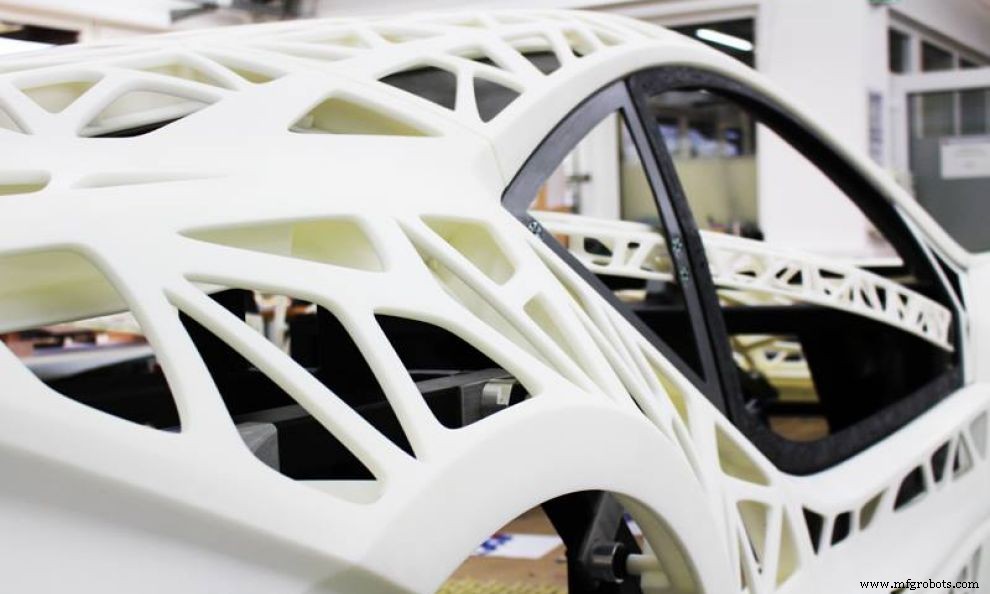
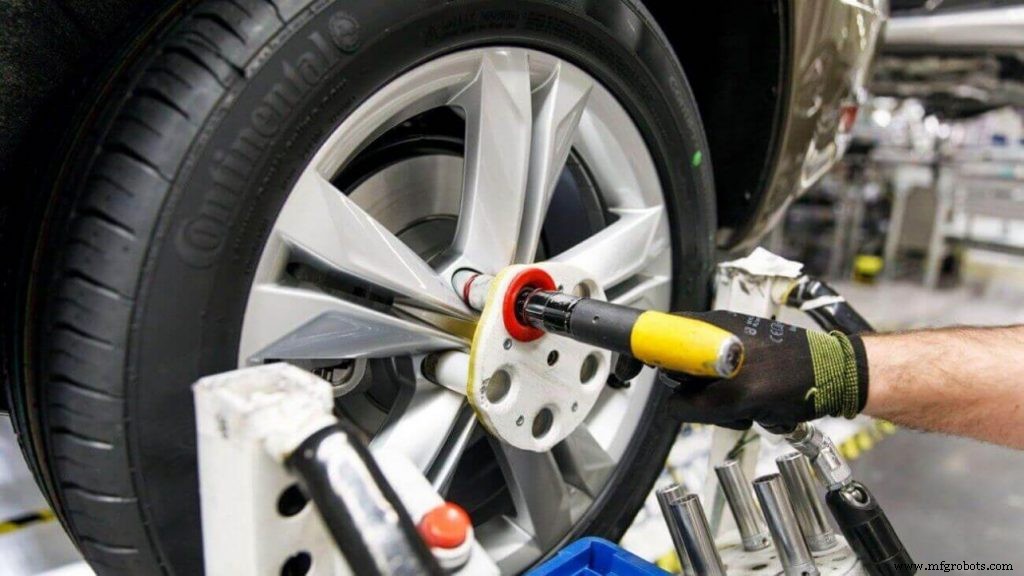
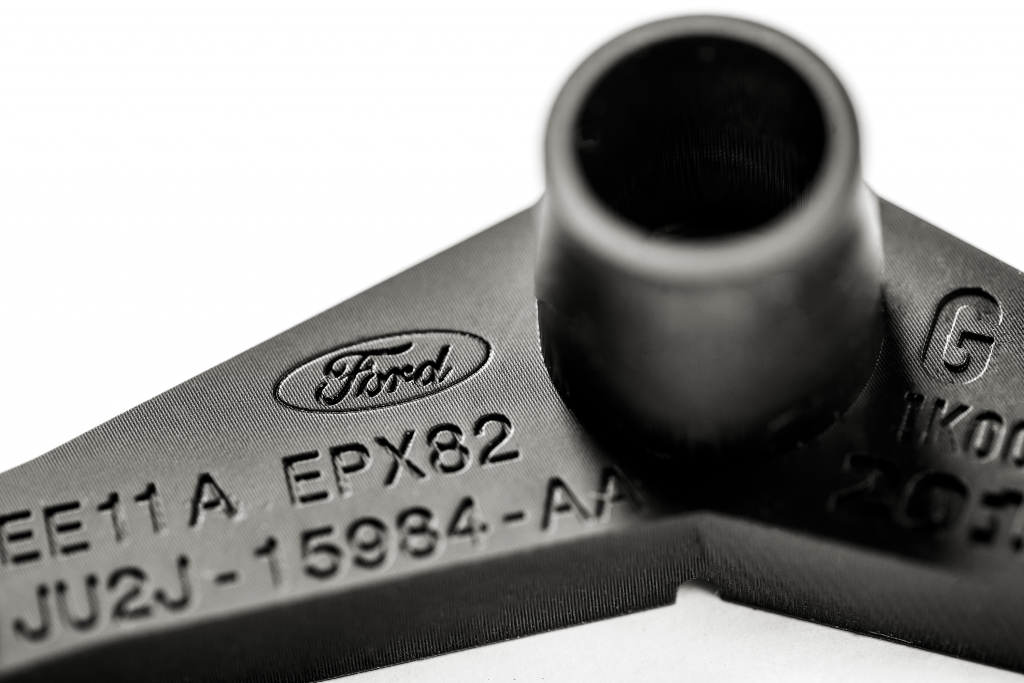
3D printing has evolved far beyond a rapid‑prototype tool; it is now a core component of automotive manufacturing. According to a 2018 Jabil survey, 94 % of automotive stakeholders plan to expand their additive manufacturing (AM) capabilities. In the following sections, we examine the key benefits of 3D printing for automakers, how the technology is woven into production, the challenges it faces, and what the future holds. 3D printing unlocks geometries that conventional methods cannot achieve, enabling lightweight, high‑performance components. Engineers combine it with topology optimisation and generative design to eliminate excess material, reducing weight while maintaining strength. Part consolidation reduces the number of components that must be manufactured and assembled, cutting material usage, labor, and cycle time. Complex, multi‑piece assemblies are often replaced by a single, integrated part that is only feasible with AM’s design freedom. Mass‑customisation is becoming a differentiator in the automotive market. 3D printing allows OEMs to produce bespoke interior trim, exterior accessories, and even performance parts at scale. Luxury brands such as Mini and Porsche have pioneered customer‑specific solutions: Mini offers 3D‑printed trim and door handles, while Porsche’s new sports‑car seats use 3D‑printed polyurethane cushions with selectable firmness levels. High‑strength polymers (nylon, PEEK), durable plastics (ABS, ASA), and metals (aluminium, steel alloys, titanium) are the most common feedstocks for functional parts and tooling. Carbon‑fibre composites are increasingly adopted to achieve even lighter, high‑strength components. Rapid, low‑cost prototyping accelerates design cycles and allows engineers to test fit, form, and function before committing to expensive tooling. Audi’s Pre‑Series Center in Ingolstadt uses polymer 3‑D printing to produce multi‑colour tail‑light covers in a single print, halving prototyping lead times and enabling quicker time‑to‑market. Volkswagen’s Europa plant now manufactures a large portion of its tooling in‑house using 3‑D printing, cutting tool production costs by 90 % and lead times from weeks to days. For example, a lift‑gate badge that once required 35 days and €400 can now be produced in four days for €10. In 2017, VW reported savings of nearly €325,000, alongside improved ergonomics and operator satisfaction. On‑demand production of spare parts reduces inventory costs and improves delivery times. Daimler Buses is exploring 3‑D printing for over 300,000 parts, with 200 already identified as suitable for production. Parts such as covers, handles, and brackets can be printed in days instead of months. Unused material can be recycled immediately, enhancing material efficiency. Advances in AM now allow production of small‑to‑medium sized end‑use parts, with 40 % of automotive OEMs seeing potential for production use. Ford, for instance, has begun 3‑D printing structural components—such as HVAC lever arm service parts and Mustang GT500 electric parking brake brackets—using Carbon’s Digital Light Synthesis technology. Race teams rely on AM for rapid prototyping and wind‑tunnel testing. Alfa Romeo Sauber F1 uses Selective Laser Melting to produce a lightweight Scalmalloy roll hoop, cutting production time by 25 %. Automotive volumes—over 92 million vehicles in 2019—still outstrip current AM capabilities. 3‑D printing is best suited to low‑volume, customised production, complementing traditional methods. High‑volume solutions such as metal binder jetting (HP, Desktop Metal, ExOne, GE Additive) are emerging, though industry adoption may be 5–10 years away. Many AM systems have limited build envelopes, necessitating modular construction and post‑assembly. Large‑scale technologies like WAAM and BAAM are under active development. Design for AM, machine operation, material handling, and post‑processing require specialised training. Partnerships with universities and in‑house programs help bridge this gap. According to SmarTech Analysis, AM for automotive production will reach a $10 billion market by 2030. We can expect more 3‑D‑printed functional components—brackets, housings, even engine parts—across the industry. Projects like Local Motors’ 3‑D‑printed autonomous shuttle Ollie demonstrate the potential for fully printed vehicles, hinting at a future where 3‑D printing could build entire cars.The benefits of 3D printing for the automotive industry
1. Design innovation
2. Simplified assembly
3. Customisation
3D printing materials for automotive applications
Integrating 3D printing into the automotive production process
Product development and validation
Tooling
Spare parts
End‑part production
3D printing in motorsports
3D printing challenges in the automotive industry
Mass production
Build sizes
AM skills gap
3D printing in automotive: the road ahead
3D printing
- How 3D Printing Is Revolutionizing the Medical Field: 4 Key Applications & Future Trends
- How 3D Printing Is Revolutionizing Defence – Benefits, Challenges, and Future Applications
- How 3D Printing is Revolutionizing Spare Parts Management – 2021 Update
- 10 Cutting‑Edge 3D Printing Innovations Revolutionizing Automotive Production in 2021
- How 3D Printing is Reshaping the Automotive Industry: 4 Key Digital Manufacturing Trends
- Revolutionizing Food & Beverage: How 3D Printing Drives Innovation and Efficiency
- Revolutionizing Cars: How 3D Printing Is Transforming Automotive Design and Production
- How 3D Printing is Driving Innovation in the Automotive Industry
- Rapid Prototyping Revolutionizes Jewelry Design—Speed, Precision, and Creativity
- Revolutionizing Construction: 3D Printing Accelerates and Lowers Costs