



10 Cutting‑Edge 3D Printing Innovations Revolutionizing Automotive Production in 2021

This article was updated in May 2021.
The automotive sector is under relentless pressure to deliver higher‑performance vehicles while simultaneously streamlining production, supply chains, and logistics. Additive manufacturing—commonly known as 3D printing—has emerged as a powerful ally in meeting these challenges.
Beyond rapid prototyping, 3D printing is now integral to tooling production and, in select cases, to the manufacturing of end‑use parts. As the technology matures, its impact on vehicle design, fabrication, and aftermarket services continues to grow.
The following ten examples illustrate how leading automakers and suppliers have leveraged 3D printing to push the boundaries of innovation, cost efficiency, and customization.
1. Porsche’s 3D‑Printed Custom Seats
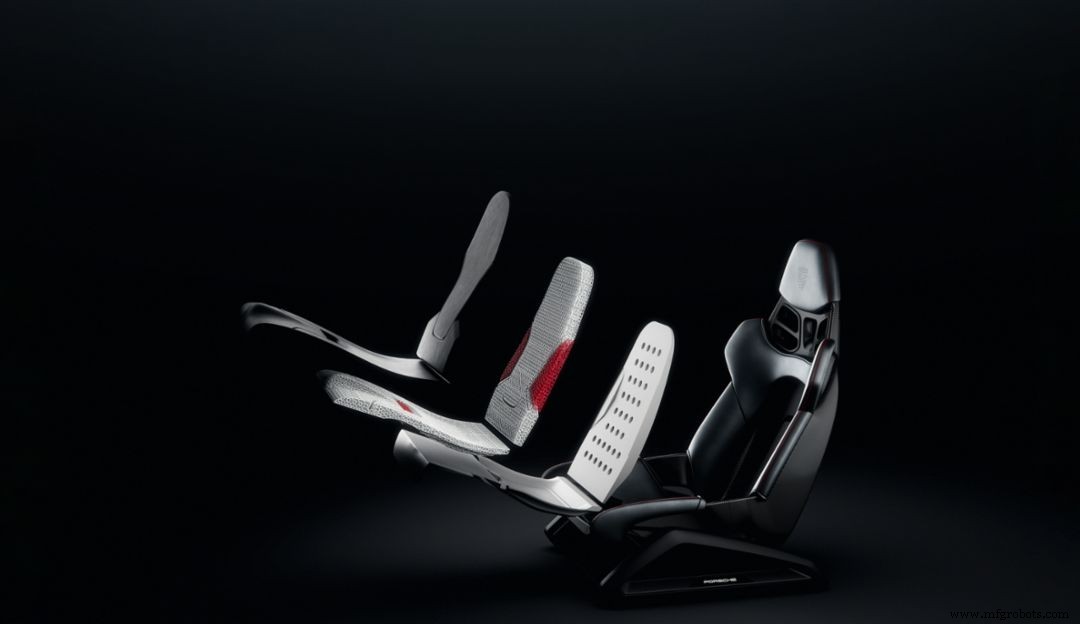
Porsche’s latest sports‑car seating concept marries lattice architecture with 3D‑printed polyurethane to create lightweight, breathable cushions. The design offers three firmness options—hard, medium, and soft—mirroring the personalized seat fitting found in motorsport racing.
During the 2020 racing season, Porsche produced 40 prototype seats for European circuits, gathering real‑world data to refine the final street‑legal models slated for mid‑2021. Future iterations aim to tailor the seat geometry to each customer’s body contour, a level of customization achievable only through additive manufacturing.
2. 3D‑Printed Brackets for Lightweight, Feature‑Rich Designs
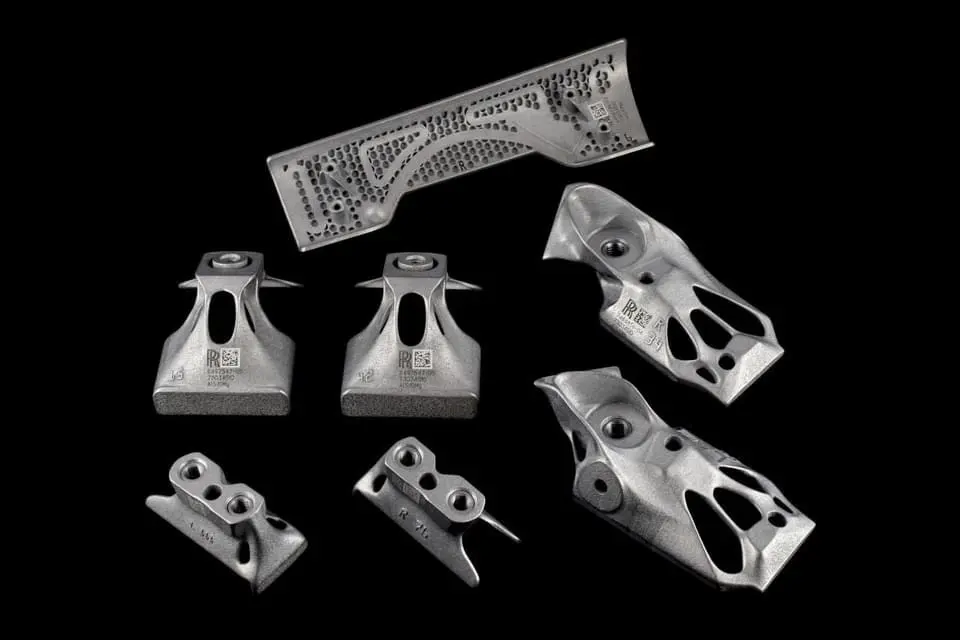
Traditionally, brackets were limited by conventional machining constraints, but 3D printing unlocks complex geometries that reduce weight and improve performance. Rolls Royce has demonstrated this with a large batch of design‑for‑additive‑manufacturing (DfAM) optimised brackets, some featuring integrated brand logos, QR codes, and unique part identifiers—all embedded during the printing process.
These features are impossible to add using subtractive methods, underscoring the value of digital manufacturing for small‑batch, high‑value parts.
3. Ford’s 3D‑Printed Components for the Mustang Shelby GT500
Ford’s Advanced Manufacturing Center, established a decade ago, now integrates 3D printing throughout its product‑development cycle. The 2020 Shelby GT500—an aerodynamically advanced Mustang—benefits from virtual design testing that evaluated over 500 cooling and aerodynamic concepts.
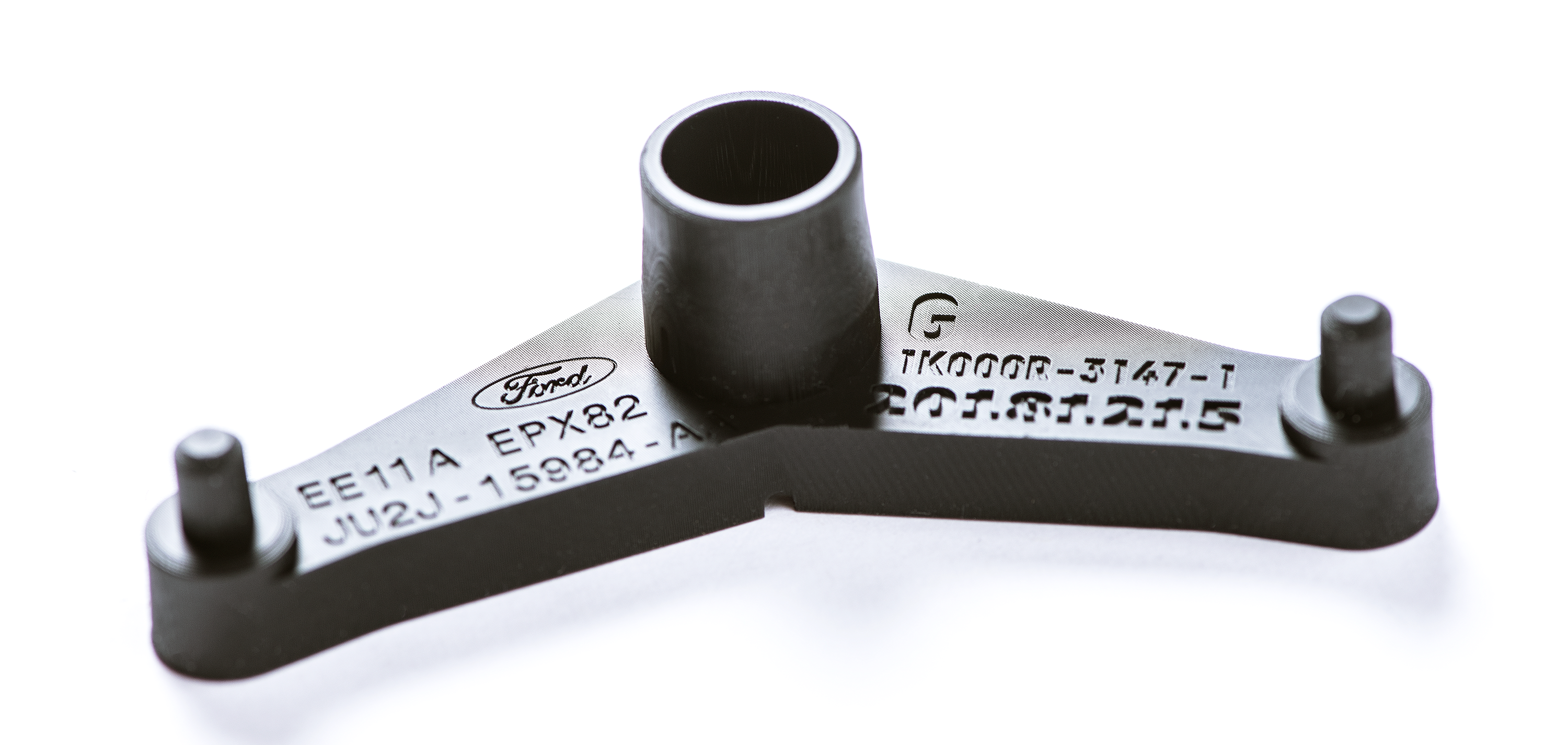
Promising designs were rapidly prototyped using 3D printing, including more than ten front splitter wicker variants tested in parallel. Additionally, two structural brake components were produced with Carbon’s Digital Light Synthesis (DLS) technology and EPX epoxy, meeting all of Ford’s stringent performance standards.
Ford’s AM technical leader, Harold Sears, notes that additive manufacturing will transition from a niche tool to a core part of everyday production.
4. Volkswagen Autoeuropa’s 3D‑Printed Tooling Revolution
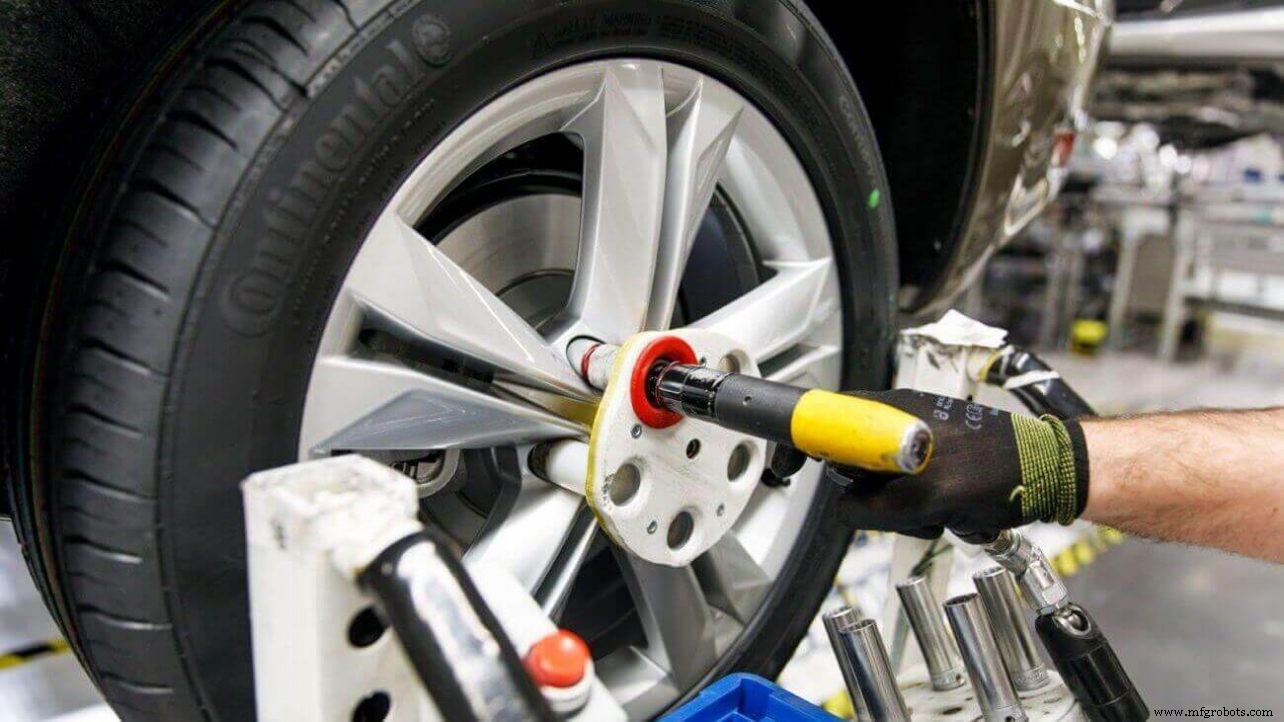
Volkswagen’s long‑term pilot with Ultimaker’s desktop printers has evolved into a full‑scale 3D‑printing strategy for tooling. Internal production of tooling reduced costs by 90% and cut lead times from weeks to days.
For example, a liftgate badge that previously required 35 days and €400 now takes four days and €10 to print. In 2017, the approach saved Volkswagen nearly €325,000 while improving ergonomics and operator satisfaction.
Industry analysts predict a growing shift toward 3D‑printed jigs and fixtures as more OEMs seek production flexibility.
5. 3D‑Printed Lug Nuts for Theft‑Resistant Wheels
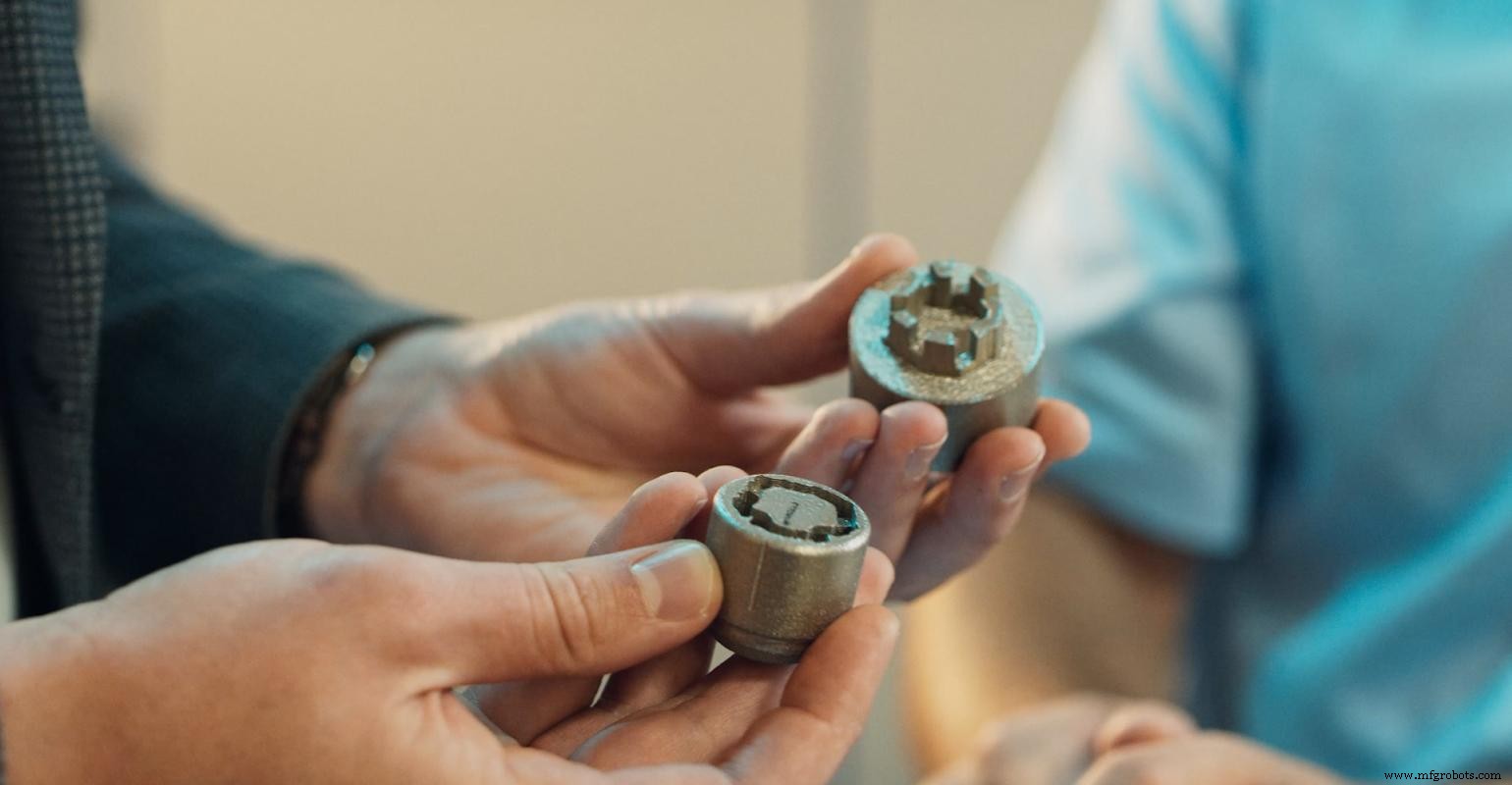
Ford’s European initiative tackles wheel theft by 3D‑printing unique locking lug nuts that incorporate a sound‑wave‑derived pattern—akin to a fingerprint—making them virtually impossible to clone.
Using EOS 3D printers, each lock is produced as a single stainless‑steel part alongside its key. The resulting uneven ribs and deep indentations deter thieves from making accurate wax impressions.
Beyond security, this approach demonstrates how additive manufacturing enables highly personalized, functional components at scale.
6. Local Motors and XEV: Toward Fully 3D‑Printed Vehicles
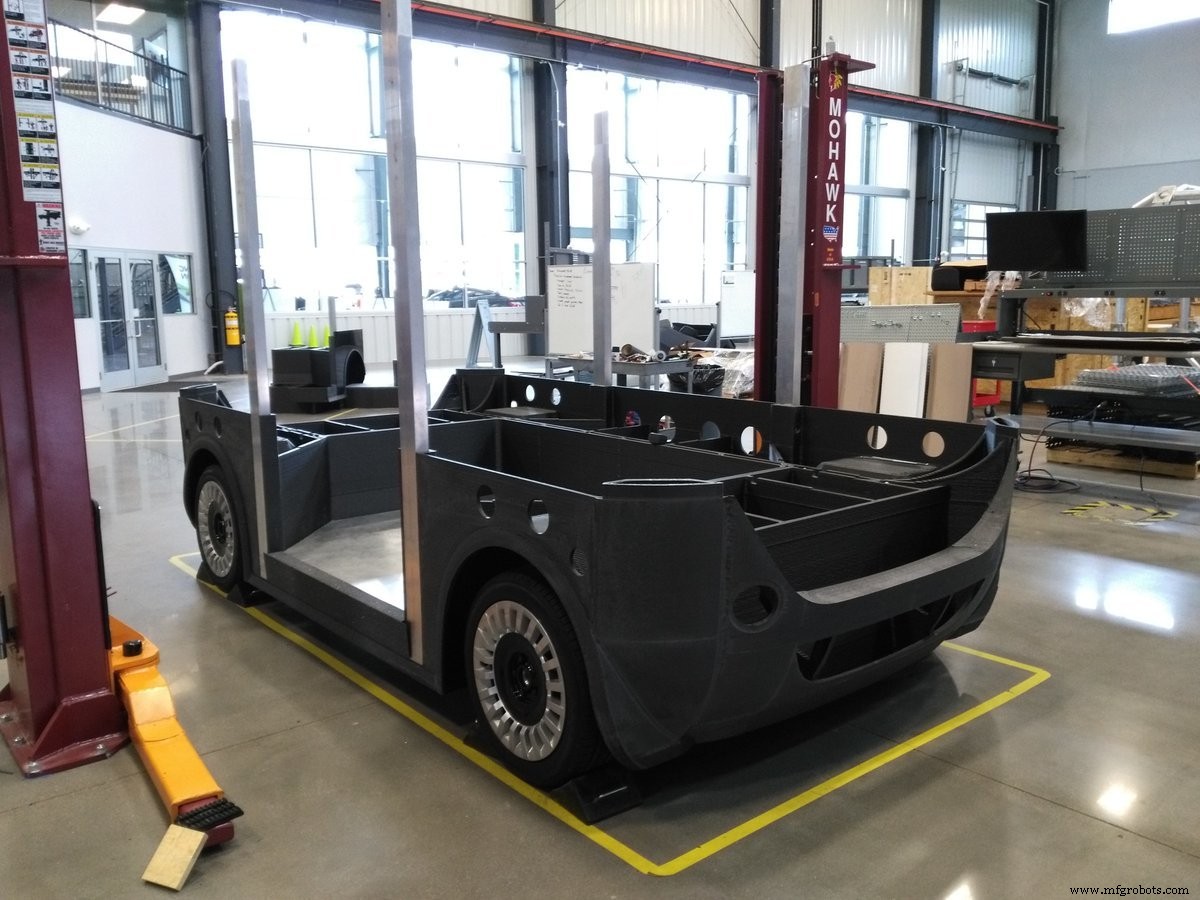
Local Motors, an Arizona‑based startup, has pushed the envelope with the 2014 Strati and 2016 Olli—an autonomous electric shuttle. Leveraging the world’s largest 3D printers, such as ORNL’s BAAM and Thermwood’s LSAM, the company produced most of Olli’s components in roughly 10 hours.
XEV, an Italian automaker, uses large‑format FDM to build a lightweight 450‑kg low‑speed electric vehicle (LSEV) in a matter of days, cutting production costs by 70%. With 2,000 in‑house extrusion printers, XEV is poised to scale production quickly.
These projects illustrate the feasibility of distributed manufacturing and mass‑customization through additive manufacturing.
7. Expanding Customization with 3D Printing
As customers demand personalized vehicles, 3D printing offers a cost‑effective path to low‑volume customization. Daihatsu’s 2016 Copen project lets owners design bumper panels in over 15 patterns and 10 colours, printed in ASA by Stratasys’ Fortus machines.
Volkswagen is exploring HP’s Metal Jet for custom metal trim, including tailgates and key rings, potentially extending into structural components within the next three years.
By eliminating the need for bespoke tooling, 3D printing reduces lead times and production costs for individualized parts, enabling broader application beyond decorative trim.
8. 3D Printing in Motorsports: From Wind Tunnel Models to Race‑Day Parts
Formula One teams use 3D‑printed replicas for wind tunnel testing, producing components such as front wings, brake ducts, and engine covers with SLA and SLS technologies. The rapid turnaround—days instead of weeks—accelerates iterative design cycles.
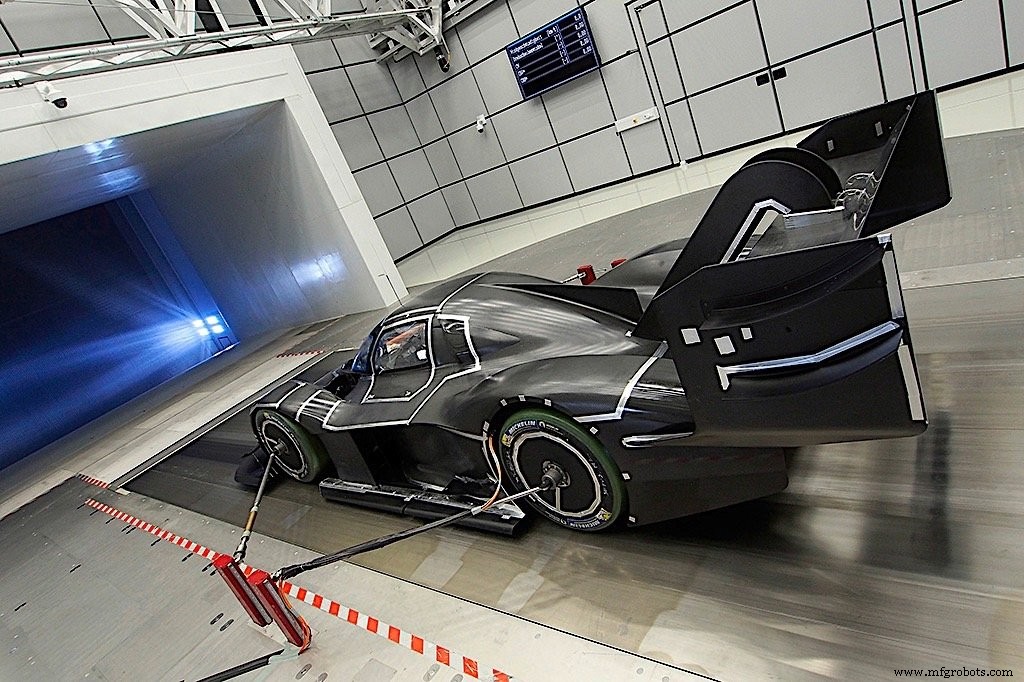
Volkswagen Motorsport’s I.D. R Pikes Peak used 3D printing to fabricate 2,000 parts for its 50% scale wind‑tunnel model, enabling the record‑setting car to be built on schedule.
As additive manufacturing matures, it is expected to move from prototype to production parts, offering racing teams tangible performance gains.
9. On‑Demand 3D‑Printed Spare Parts for Classic Vehicles
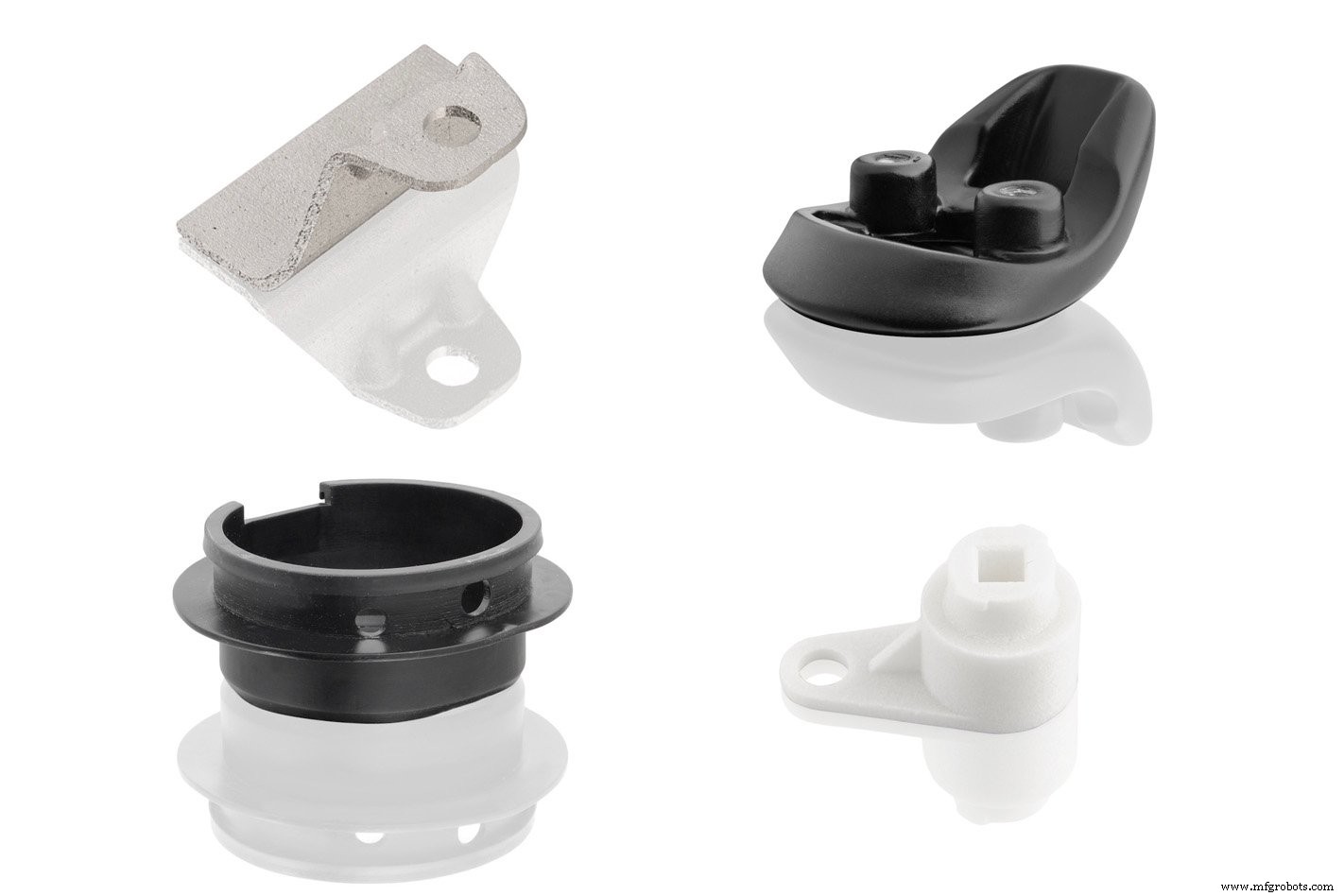
Porsche Classic now produces rare, low‑volume spare parts on demand using metal and plastic 3D printing. Laser melting or sintering eliminates the need for obsolete tooling, drastically reducing storage and tooling costs.
Other manufacturers—including Mercedes‑Benz Trucks, Volkswagen, and BMW—are adopting similar strategies to streamline inventory and improve operational efficiency.
10. The Future of 3D‑Printed Motorcycles
While fully 3D‑printed bikes have yet to reach mass production, several prototypes highlight the technology’s potential. APWORKS’ Light Rider, unveiled in 2016, uses Scalmalloy to achieve a 30% weight reduction, while BigRep’s NERA prototype demonstrates that an entire motorcycle can be printed in 12 weeks using a mix of PLA, TPU, and engineering filaments.
These projects underscore the benefits of additive manufacturing—lightweighting, rapid prototyping, and lower production costs—though commercial viability remains a hurdle for now.
Driving the Future of Automotive Production
These ten case studies merely scratch the surface of additive manufacturing’s potential within the automotive ecosystem. As OEMs recognize the competitive advantage offered by 3D printing, its adoption will spread across design, production, assembly, and supply chain management.
Ultimately, additive manufacturing will enable more innovative designs, flexible business models, and vehicles that deliver superior performance and sustainability.
3D printing
- How 3D Printing is Revolutionizing Automotive Production – 2021 Insights
- How 3D Printing Is Transforming Consumer Goods: 5 Key Benefits & Real‑World Examples (2021 Update)
- How 3D Printing Is Revolutionizing Consumer Goods: 10 Cutting‑Edge Applications
- How 3D Printing is Reshaping the Automotive Industry: 4 Key Digital Manufacturing Trends
- Revolutionizing Cars: How 3D Printing Is Transforming Automotive Design and Production
- How 3D Printing is Driving Innovation in the Automotive Industry
- 5 Proven Ways 3D Printing Is Transforming Automotive Design & Production
- Revolutionizing Sports Gear: How 3D Printing Transforms Athletic Equipment
- How 3D Printing Is Revolutionizing the Automotive Industry
- Understanding the Printing Industry: Key Roles and Services