



How 3D Printing Drives Innovation, Efficiency, and Customization in the Automotive Industry
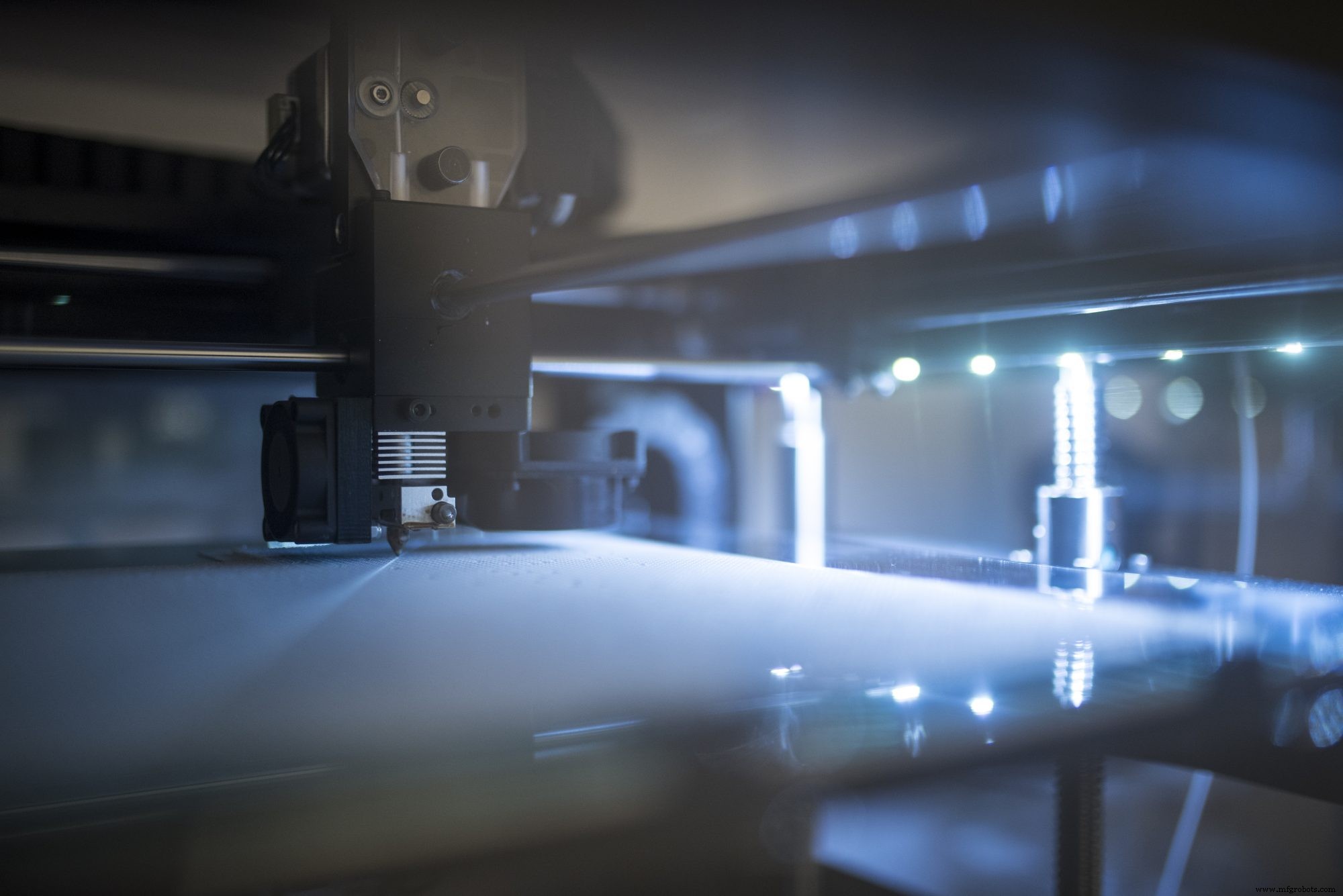
3D printing—commonly called additive manufacturing—is rapidly reshaping the automotive sector. By building parts layer by layer, it offers flexibility and speed that traditional machining can’t match.
As automakers explore new applications, they unlock significant operational and financial advantages. In this article we examine the most impactful uses and the tangible benefits they deliver.
Before diving in, a quick refresher on how additive manufacturing works. The term covers several technologies, such as selective laser sintering (SLS) and fused deposition modeling (FDM). The core principle is additive: material is deposited in successive layers until the final shape emerges, contrasting with subtractive methods that remove material from a block.
Key Applications of Additive Manufacturing in Automotive Design
Today’s vehicles benefit from 3D‑printed components in several ways:
- Rapid prototyping in R&D – The pace of automotive innovation is accelerating, driven by electric and autonomous vehicles. 3D printing enables engineers to produce functional prototypes in hours rather than days, accelerating iteration cycles and reducing development costs.
- Weight reduction – Lower vehicle mass improves fuel economy and, for EVs, extends range. Additive manufacturing allows designers to create hollow structures, lattice cores, and use lighter alloys, dramatically cutting weight while maintaining strength.
- Streamlined customization – From bespoke aftermarket parts to factory‑optional features, 3D printing makes one‑off or low‑volume production economically viable without the tooling overhead of injection moulding.
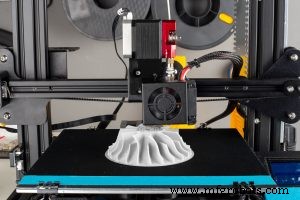 On‑Demand replacement parts – Repair shops can print parts on the fly, eliminating long lead times and spare‑part inventories. This boosts service speed and reduces costs for customers and technicians alike.
Business‑Level Advantages
For manufacturers, additive manufacturing delivers:
- Accelerated prototyping and low‑volume production – Minimal set‑up and zero tooling shorten lead times, helping bring innovations to market faster.
- Reduced material waste – Only the material needed for the part is used, whereas subtractive methods waste excess stock. Supports can be reclaimed and reused.
- Lower energy consumption – The process typically requires less energy than traditional machining or casting, contributing to sustainability goals.
- Smaller inventory footprint – Parts can be printed on demand, freeing up warehouse space and lowering inventory‑holding costs.
- Overall cost savings – Combined efficiencies translate into tangible ROI over time, especially for high‑complexity or custom components.
ATS: Your Partner for Automotive Maintenance and 3D Printing
ATS specializes in industrial maintenance, MRO asset management, and supply‑chain solutions. Our team is adept at servicing a wide range of equipment—including automated machinery—ensuring reliable operation and optimal productivity.
We also offer 3D printing of hard‑to‑find or legacy machine parts, keeping your production lines running without costly downtime. Contact us today to discover how our expertise can help you meet your maintenance goals.
Industrial Technology
- How Technology Is Transforming Manufacturing: From 3D Printing to Digital Twins
- Additive Manufacturing Explained: From Design to Finished Part
- 5 Proven Ways 3D Printing Is Transforming Automotive Design & Production
- Revolutionizing Aerospace: How Additive Manufacturing Enhances Performance and Efficiency
- STAEDTLER: Maximizing Manufacturing Value Through Automation
- Digital Manufacturing: Shaping Tomorrow's Industry
- How Industry 4.0 Revolutionizes Manufacturing: Benefits & Opportunities
- Additive Manufacturing: Driving Innovation and Performance in the Sporting Goods Industry
- Revolutionizing Auto Production: The Role of Additive Manufacturing
- Webinar: Accelerating EV Production with Advanced Additive Manufacturing