



Seven Key Trends That Shaped 3D Printing in 2018
2018 marked a pivotal phase of growth and maturation for additive manufacturing.
The hype of previous years – promising 3D printers in every home – faded into reality as the industry pivoted toward solid industrial applications. While still a fraction of the $12 trillion manufacturing sector, additive manufacturing has proven itself as a catalyst for digital transformation across multiple industries.
This article reviews seven trends that defined the additive manufacturing landscape in 2018.
#1 Additive Manufacturing Continues to Mature
AM is an industrial solution
Advances in industrial applications signal the sector’s growing maturity. Rather than an overnight revolution, these gains reflect incremental progress as the nuances of the technology are refined.
The Formnext trade show, the industry’s premier advanced manufacturing event, highlighted this shift. In 2018, the event saw a 25% increase in visitors and featured numerous demonstrations of AM systems, materials, and software tailored for production. The dialogue moved from “revolution” to “applications that truly benefit from additive manufacturing.”
The need for standardisation
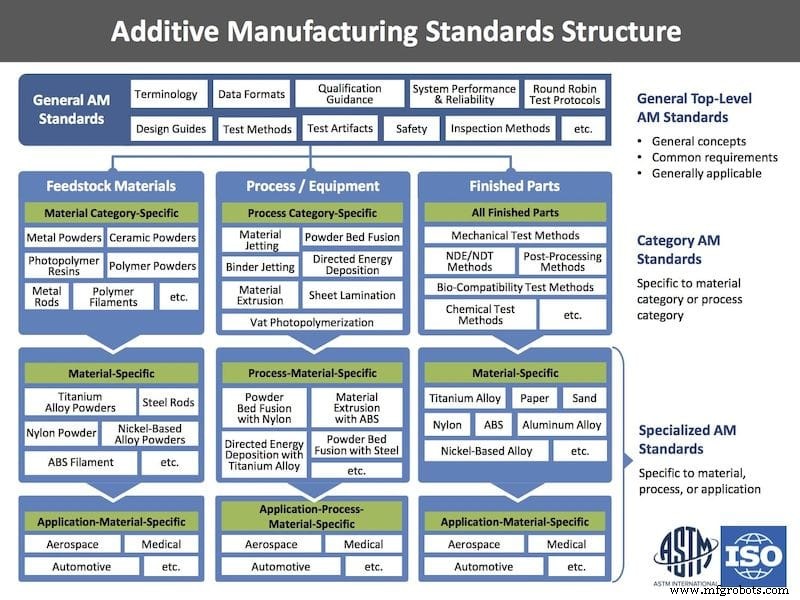
Standardisation became a focal point, underscoring the industry’s move toward production readiness. Simon Fried, co‑founder of Nano Dimension, noted, “To mature, the industry must agree on standards for processes, product tracing, and IP protection. The future will focus on the nuts and bolts of deployment rather than glitz.”
Key milestones in 2018 included:
- Publication of the second version of the Additive Manufacturing Standardisation Roadmap (June).
- Launch of the Additive Manufacturing Center of Excellence (July) to identify standardisation gaps.
- First trans‑Atlantic AM Standards Forum at Formnext (November), uniting research, standards bodies, and government officials.
While traditional manufacturing has centuries of standardized processes, additive manufacturing’s early‑stage maturity indicates steady progress toward mainstream production.
#2 Increased Collaboration
Partnerships and consortiums have become essential for advancing AM. Companies now form joint ventures, committees, and strategic alliances to accelerate industrialisation.
Ultimaker partnered with global chemical manufacturers to broaden its material portfolio, ensuring prototypes closely match end‑use parts. HP’s Metal Jet System launch was accompanied by collaborations with industry leaders like GKN and Parmatech to deliver reliable metal 3D printing services. In aerospace, Etihad Airways Engineering partnered with EOS to qualify 3D‑printed aircraft parts for aviation standards.
On the policy front, the European Association of Machine Tool Industries (CEcIMO) established an AM committee to discuss EU regulations affecting the sector. With input from over 350 organisations, the committee addresses workforce development, regulatory frameworks, and industry statistics.
#3 Another Successful Year for Metal 3D Printing
Metal 3D printing emerged as a breakthrough technology, recognised by MIT Technology Review as a top 10 breakthrough in 2018. The sector saw significant growth: DMLS applications rose from 8% in 2017 to 21% in 2018 (Sculpteo State of 3D Printing report). Powder‑bed fusion dominated high‑end, low‑volume aerospace and medical parts, while metal binder jetting expanded into automotive and industrial goods thanks to its scalability and speed.
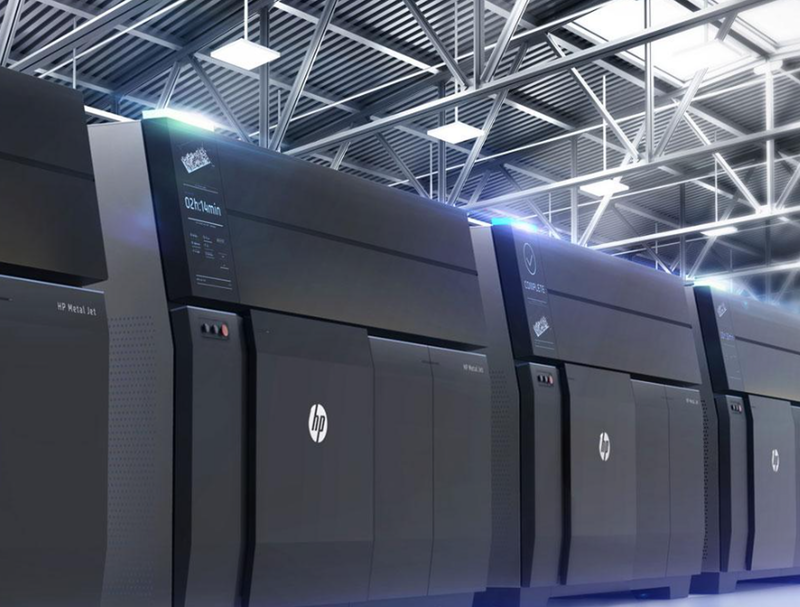
New entrants such as HP, with its Metal Jet system, focused on mass production from the outset. Digital Alloys introduced the Joule system to address speed, quality, and repeatability challenges, securing its first two patents in 2018.
#4 Continued Growth of Materials
Materials innovation drove 2018’s industrial focus. Plastics and polymers dominated the market, reaching $5.5 billion in 2018 versus $1 billion in 2017 (SmarTech report). Chemical giants like Mitsubishi Chemical entered the space, acquiring Dutch Filaments to strengthen their polymer offerings. Metal powder revenues hit $300 million, bolstered by cheaper MIM powders used in binder jetting.
The expanding material portfolio lowers costs and expands application possibilities, paving the way for broader adoption.
#5 Software: a Key to Success
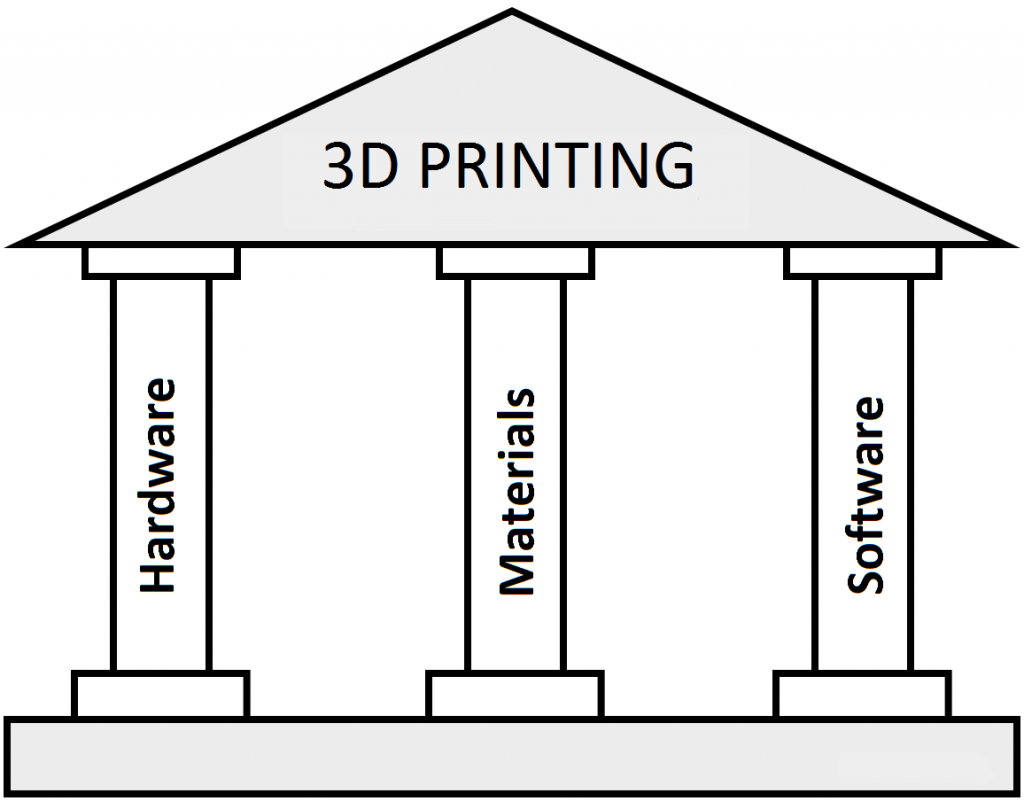
Software remains one of the three pillars of AM. In 2018, significant investment flowed into simulation and workflow automation tools.
Simulation software from Siemens and Materialise enabled designers to model print processes, reducing failures before production. Workflow platforms digitised and scaled AM operations, while security solutions like LEO Lane addressed IP protection needs.
#6 A New Focus on Post‑Processing
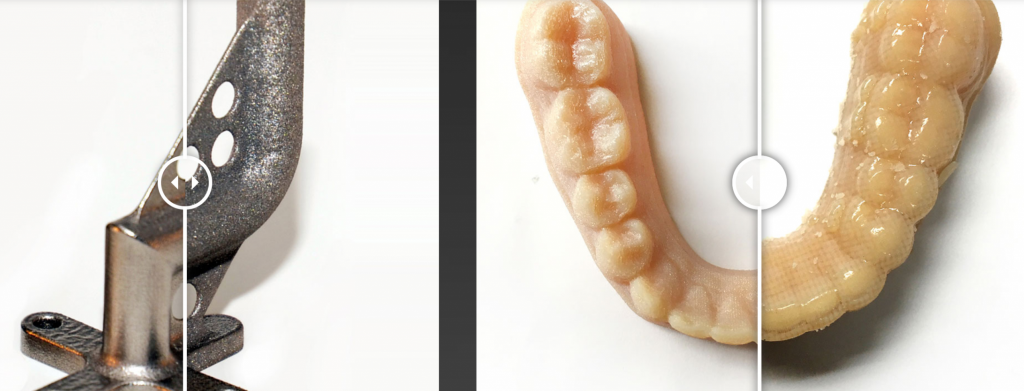
Post‑processing, once a bottleneck, gained traction through automation. PostProcess Technologies introduced solutions that automate support removal and surface finishing for plastic and metal parts. CEO Jeff Mize stated, “As AM scales, post‑print becomes the bottleneck. Our automation removes that bottleneck.” The company partnered with Rosler for European deployment.
Digital post‑processing management tools now link planning to the broader AM workflow, creating seamless, scalable production lines.
#7 A Technology for Smart Factories
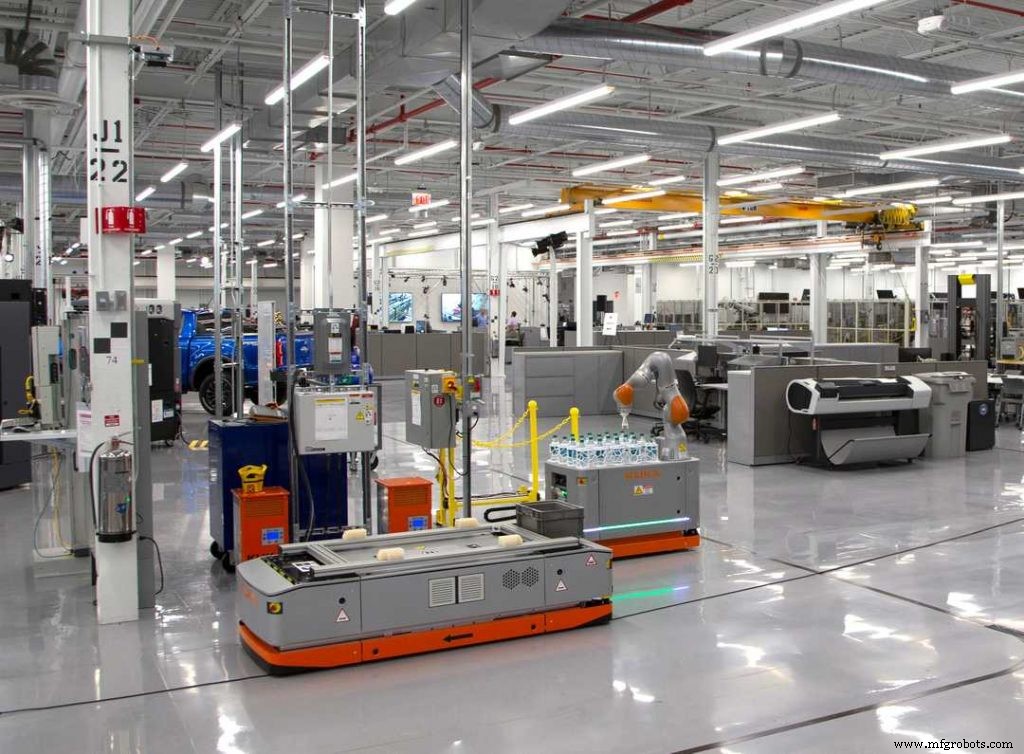
3D printing positioned itself as a cornerstone of smart, digital factories. Ford’s $45 million Advanced Manufacturing Center in Michigan combines 23 printers, collaborative robots, and VR, producing everything from brake parts to interior components using sand, nylon, and carbon‑fibre composites.
BigRep partnered with Bosch Rexroth to embed state‑of‑the‑art CNC controls and drives into its printers, enhancing connectivity and data processing for smart factory integration.
Industrial 3D Printing in 2018: A Tale of Automation and Scalability
2018 proved that additive manufacturing is no longer confined to prototyping. With software evolution, material diversification, and post‑processing automation, the industry edged closer to full production readiness. As 2019 approaches, these advancements will continue to fuel the industrial adoption of 3D printing technologies.
3D printing
- 3D Printing vs Additive Manufacturing: Understanding the Key Differences
- How 3D Printing Drives Innovation, Efficiency, and Customization in the Automotive Industry
- How 3D Printing Is Revolutionizing the Medical Field: 4 Key Applications & Future Trends
- How 3D Printing Is Revolutionizing Defence – Benefits, Challenges, and Future Applications
- 5 Key Additive Manufacturing Trends Driving 2021 Innovation
- Top 3 3D Printing Trends That Defined 2018
- Top Metal 3D Printing Materials: Unlocking Additive Manufacturing’s Potential
- Additive Manufacturing Explained: From Design to Finished Part
- Why 3D Printing Is Revolutionizing Modern Manufacturing
- How Selective Laser Sintering (SLS) Converts 3D CAD Designs into Solid Parts