



Post‑Processing in Industrial 3D Printing: Advancing Toward Automation
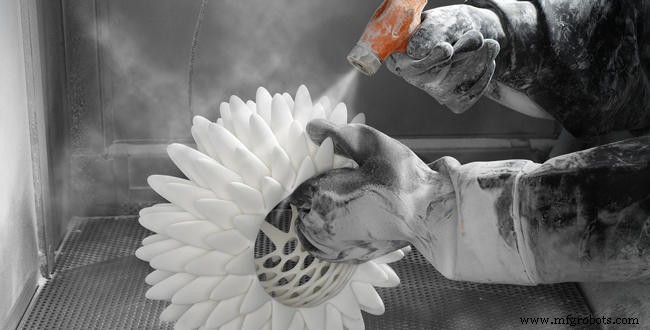
Post‑processing is often the overlooked half of additive manufacturing, yet it is the final key to achieving the quality, precision, and aesthetic finish demanded by industrial customers. While the first stages—design and build—are increasingly automated and digitally driven, the post‑processing phase remains largely manual, creating a significant bottleneck for companies scaling their 3‑D‑printing operations.
The Additive Manufacturing Association (VDMA) has identified post‑processing as the stage that most urgently needs development to enable true series production. In 2018, industry focus shifted toward automating this phase, recognizing that a scalable, repeatable post‑processing workflow is essential for moving from prototyping to production.
In this article we examine the typical tasks of post‑processing, the challenges that slow down production, and the latest innovations that are beginning to automate the entire workflow.
Post‑Processing for 3D Printing: An Overview
Almost every 3‑D‑printed part requires some form of post‑processing to improve mechanical properties, dimensional accuracy, and visual appeal. The required steps vary by material and technology.
Common Tasks
- Support Removal – the first step for parts built with supports. This can be done by hand, with solvents for FDM parts, or by cleaning excess resin from SLA parts before supports are removed.
- Powder Removal – for binder‑jetting and SLS, unused powder is first removed, followed by surface finishing or infiltration.
- Metal Part Preparation – metal parts undergo depowdering, cutting from the build plate (wire EDM or bandsaw), stress‑relieving, heat treatment, and machining to remove supports and meet dimensional tolerances.
- Inspection – visual, dimensional, and non‑destructive testing (often CT scanning) ensures parts meet design specifications.
- Surface Finishing – sanding, filling, painting for plastics; machining for metals, typically a manual process.

Post‑Processing Tables
| Post‑Processing Method | Cleaning / Depowdering | Support Removal | Post‑Curing | Infiltration | Surface Finishing |
|---|---|---|---|---|---|
| FDM | +– | +– | +– | +– | +– |
| SLA/DLP | +– | +– | +– | +– | +– |
| SLS | +– | +– | +– | +– | +– |
| Material Jetting | +– | +– | +– | +– | +– |
| Binder Jetting | +– | +– | +– | +– | +– |
| Post‑Processing Method | Depowdering | Stress Relief | Part Removal | Debinding / Infiltration / Sintering | Machining | Surface Finishing |
|---|---|---|---|---|---|---|
| Powder Bed Fusion (SLA, DMLS, EBM) | +–+ | +–+ | +–+ | +–+ | +–+ | |
| Metal Binder Jetting | +– | +– | +– | +– (optional) | +– (optional) | |
| DED | +– | +– | +– | +– |
The Post‑Processing Bottleneck
Despite the automation of design and build, post‑processing remains labor‑intensive. This manual nature inflates lead times, costs, and the skills gap—an obstacle for companies that want to scale.
Bottleneck #1: Longer Lead Times
Post‑processing can add 17% to 100% to the overall cycle time. Back‑logs caused by limited labor or equipment availability further extend these delays.
Bottleneck #2: Added Costs
Labor, equipment, and specialized consumables drive up expenses. In metal AM, the cost of wire EDM removal can reach $300 per build plate and take several hours. Stress‑relief and heat‑treatment costs can also reach hundreds of dollars per part.
Bottleneck #3: Skills Gap
High‑quality post‑processing demands experienced technicians and strict safety practices, particularly for waste disposal and handling hazardous materials.
Key Developments
Automation of post‑processing is becoming the industry’s priority as production volumes rise. Companies are pioneering smart solutions to eliminate manual steps.
Powder Removal & Cleaning
Metal powder‑bed fusion requires meticulous depowdering, especially for complex geometries. Solukon’s SFM‑AT800S uses vibration and programmable axis rotation to clean metal parts, and it is already employed by Siemens. Digital Metal has developed a computer‑controlled depowdering system paired with a pick‑and‑place robot, moving unsintered powder to the next step automatically. For polymers, DyeMansion’s Powershot C provides reproducible cleaning via two blasting nozzles and a rotating basket.
Support Removal
Manual support removal remains a major time sink. PostProcess Technologies offers automated, hands‑free solutions for FDM, SLA, PolyJet, and CLIP parts. For metal, Velo3D produces parts with up to five times fewer supports, and Materialise’s e‑Stage for Metal generates thin, easily removable supports that can cut removal time by 50%.
Surface Finishing
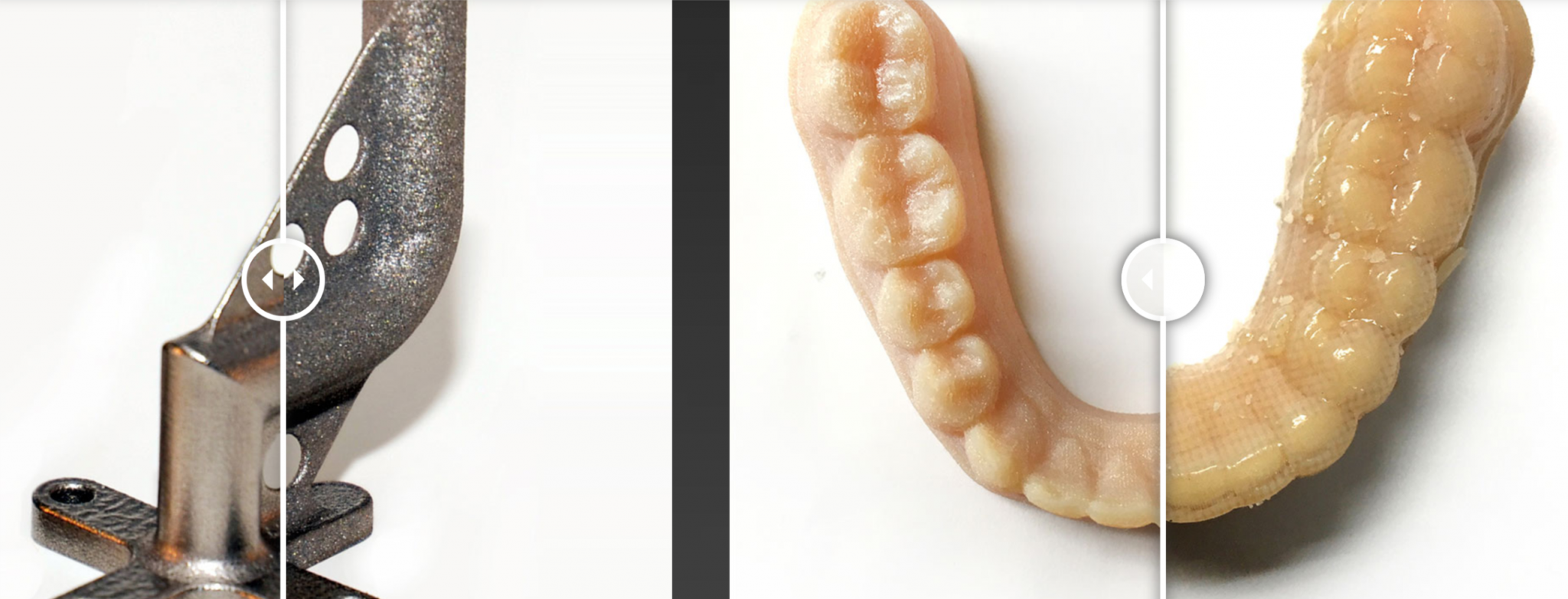
Consistent, high‑quality finishing is crucial for both prototypes and production parts. Additive Manufacturing Technologies (AMT) launched its PostPro3D in September, an automated system that smooths elastomeric and nylon parts while sealing porosity without compromising mechanical integrity—validated by HP and Under Armour. Hybrid systems that combine DED with CNC milling are already improving metal surface finishes and tolerances.
Inspection & Quality Assurance
Digital QA is emerging to replace manual inspection. AMFG offers Post‑Processing Scheduling and digital QA tools that import part documentation, compare it with physical measurements, and streamline the inspection workflow—enhancing efficiency and traceability.
Post‑Processing: The Road Ahead
Automation, design‑for‑additive‑manufacturing (DfAM), and the development of comprehensive standards are the pillars of future post‑processing. ASTM’s new thermal post‑processing standard for metal AM parts is a step in the right direction, but industry‑wide adoption will take time.
With continued innovation and the integration of digital tools, the industry is poised to overcome current bottlenecks, delivering throughput, consistency, and productivity at scale.
3D printing
- Industrial 3D Printing in 2018: 6 Key Trends Shaping the Future
- 8 Cutting‑Edge Materials Driving Industrial 3D Printing
- Mastering Post‑Processing in Industrial 3D Printing: Emerging Trends and Solutions
- 3D Printing for Turbine Parts: Accelerating Development, Performance, and Sustainability
- Industrial Automation: A Strategic Guide for OEMs and Equipment Vendors
- In‑House Production: The Fuse 1 Builds Its Own Parts
- What 3D Printing Needs to Evolve: Top 3 Industry Demands Revealed at AMUG
- Revolutionizing Mass Production: The Key Advantages of 3D Printing
- Mastering Post‑Processing in Industrial 3D Printing: Proven Strategies for Functional, Aesthetic, and Accurate Parts
- 10 Proven Water-Resistant Solutions for 3D Printed Parts: Materials & Post-Processing