



5 Key 3D Printing Trends Shaping 2019

In 2018, 3D printing solidified its role as a commercial, industrial manufacturing technology. Hardware, material, and software breakthroughs demonstrated that additive manufacturing is an integral part of modern production.
With an impressive year under its belt, what will 2019 bring for the industry? Below are the five industrial trends that are set to shape the next 12 months.
1. Polymer 3D Printing Continues its Rapid Growth
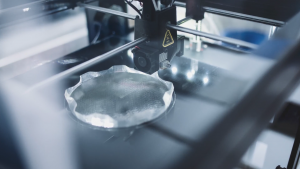
While metal 3D printing captured headlines in 2018, the polymer sector—still the dominant share of the market—has shown strong momentum. Chemical giants such as DSM, SABIC, BASF, Solvay, Mitsubishi Chemical, Arkema, and Lehvoss are now investing in AM, bringing their material expertise and extensive customer bases to the field.
EOS’s LaserProFusion, unveiled at Formnext, is a dedicated polymer solution that rivals injection moulding in speed and quality, signalling the maturity of polymer AM for industrial use.
Demand for high‑performance thermoplastics and composites is expected to surge, especially in heavily regulated sectors like automotive and aerospace, which require materials with precise mechanical properties.
Related: ULTEM & PEEK: the Ultimate Guide to High-Performance 3D Printing Materials
2. Software Drives Operational Excellence
Beyond hardware and materials, software is the linchpin that turns additive manufacturing into a scalable, repeatable process.
Advanced simulation tools now predict part performance and process outcomes, reducing waste and boosting machine uptime. Workflow orchestration platforms help companies manage multiple printers, jobs, and data streams while ensuring secure, traceable production.
Partnerships such as AMFG’s collaboration with LEO Lane illustrate how digitization and security are becoming core components of industrial AM strategies.
In 2019, the focus on software will deepen, providing automation, analytics, and compliance tools that enable companies to integrate AM seamlessly into their existing manufacturing ecosystems.
Related: Hardware, Materials and Software: the 3 Pillars of 3D Printing Success
3. Post‑Processing Becomes Automated

Post‑processing remains the bottleneck in additive manufacturing, often requiring skilled manual labour. 2019 will see a wave of automated solutions that cut lead times and reduce costs.
America Makes’ $1.6 million grant to a joint project between Arizona State University and ASTM’s Additive Manufacturing Center of Excellence is a prime example of industry‑academia collaboration driving new post‑processing methods for SLM parts.
PostProcess Technologies has partnered with German manufacturer Rösler to roll out its automated solutions across Europe. CEO Jeff Mize said the company will launch a full post‑finishing suite in 2019, addressing most customer needs.
4. Standardisation Accelerates Adoption
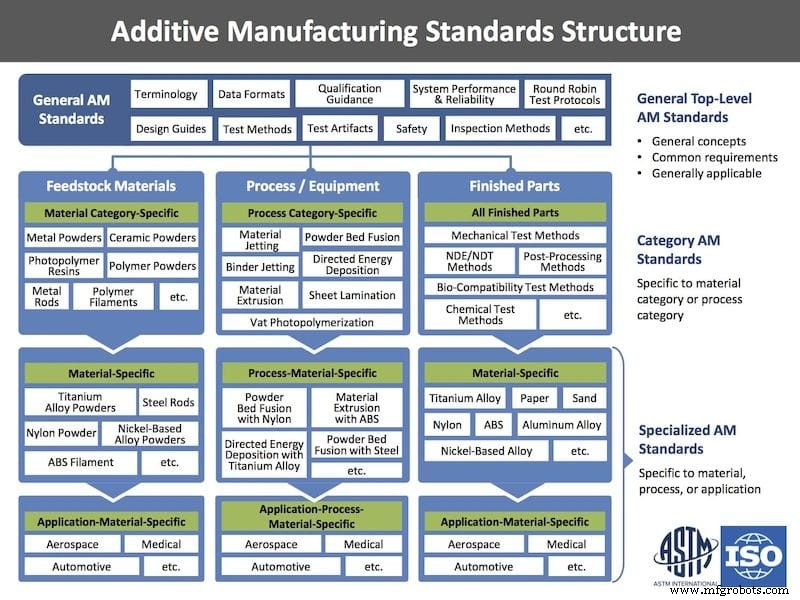
Standardisation bodies such as ISO and ASTM International are establishing guidelines that will bring consistency to materials, processes, and data formats. Governments are also stepping in to shape the regulatory landscape.
In 2019, CECIMO’s new additive manufacturing committee and its participation in ISO/TC 261 will provide a European platform for policy dialogue and technical harmonisation.
Clear standards mean predictable quality, easier certification, and lower barriers to entry, making AM more attractive for large‑scale production.
Related: Developing Standards for 3D Printing: Where are We Today?
5. 3D Printing Becomes Smarter and More Connected
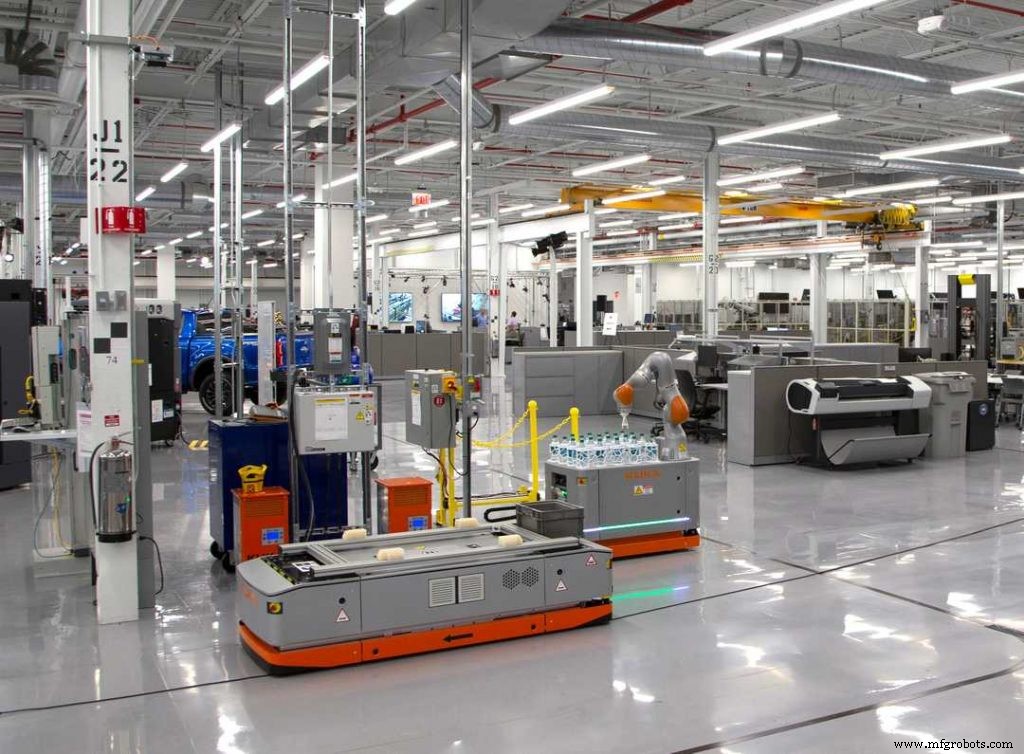
Industrial manufacturing is shifting toward autonomous, connected factories. 3D printing is poised to fit into this ecosystem with IoT‑enabled machines, real‑time monitoring, and edge analytics.
BigRep’s partnership with Bosch Rexroth’s MXT technology illustrates how CNC controls can enhance printer speed and reliability while providing data streams that feed into smart‑factory dashboards.
As digital integration deepens, 3D printers will evolve from isolated workhorses into fully networked assets that contribute to predictive maintenance, quality control, and supply‑chain transparency.
2019: A Year of Maturity and Opportunity
After overcoming early hype, 3D printing has matured into a proven industrial technology. 2019 will see a focus on real‑world applications rather than speculative headlines, with solutions that complement and integrate into existing production lines.
The industry is set for steady growth, and the trends outlined above will drive the next wave of adoption, innovation, and efficiency.
3D printing
- 4 Key Design Principles for Successful 3D Printing
- How 3D Printing Drives Innovation in Formula One – 5 Key Trends
- 5 Key Trends Driving the 3D Printing Materials Market in 2019
- 5 Emerging Trends Shaping 3D Printing Software
- 2019 3D Printing Materials Market: Trends, Growth, and Emerging Opportunities
- 10 Key 3D Printing Trends Driving 2020 Innovation
- Six Key Trends Shaping 3D Printing in 2024
- Top 3 3D Printing Trends That Defined 2018
- 3D Printing Trends 2019: Metal Innovation, Binder Jetting Breakthroughs, and Advanced Plastics
- 5 Key Industrial Marketing Trends Driving Success in 2019