



Ford Drives 3D Printing Innovation: Insights from Additive Manufacturing Leader Harold Sears

What does the future of automotive production look like? Ford Motor Company may just have the answer.
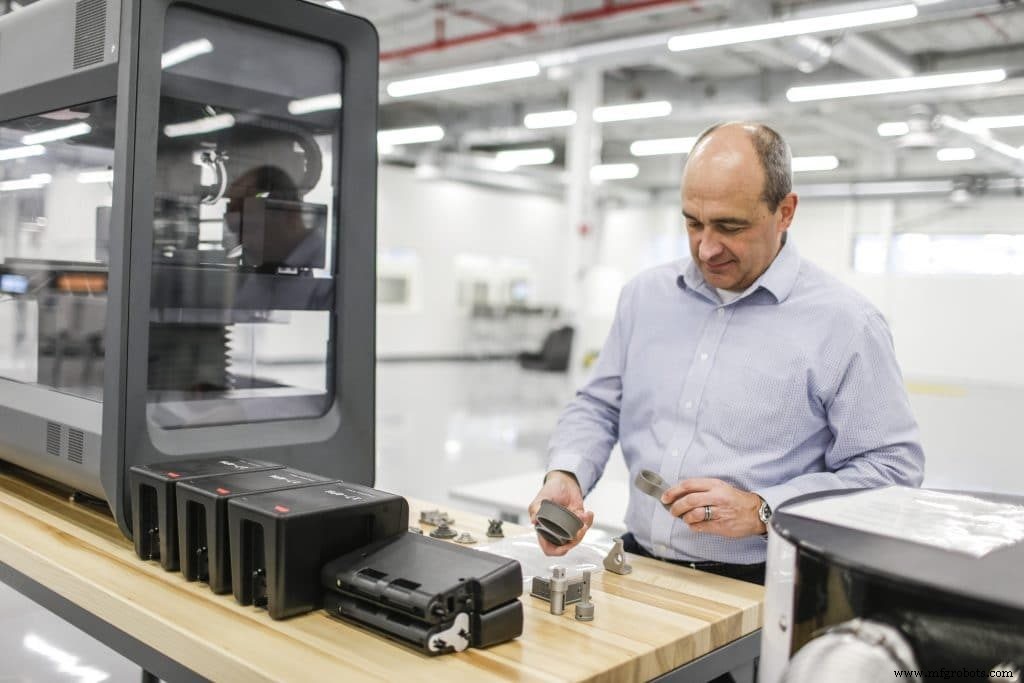
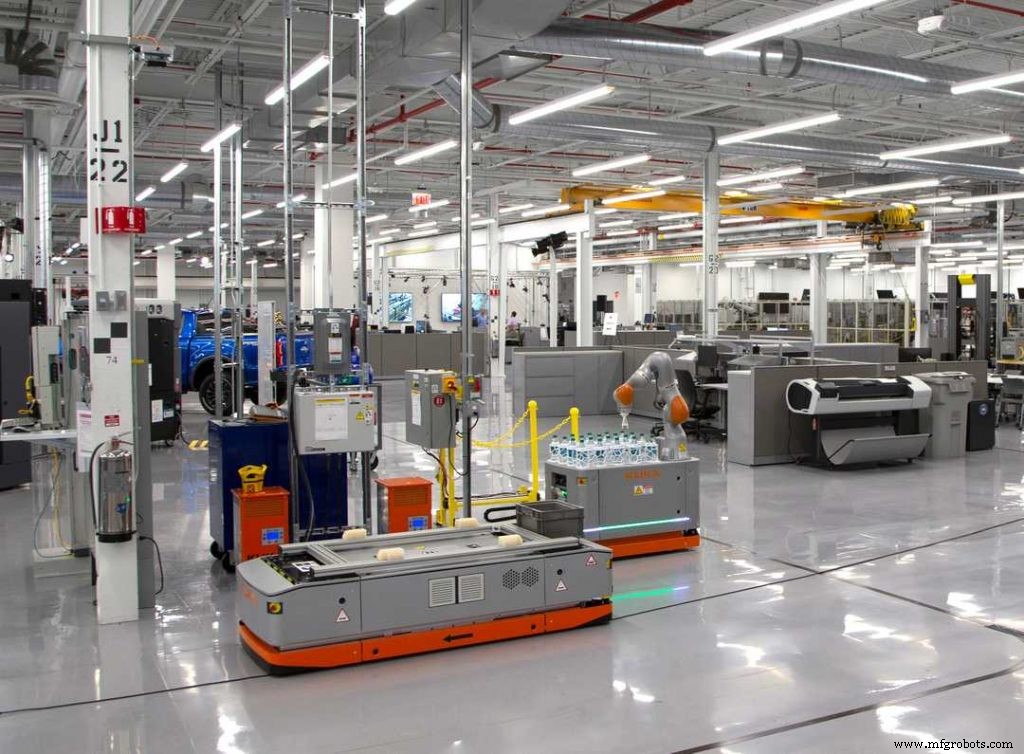
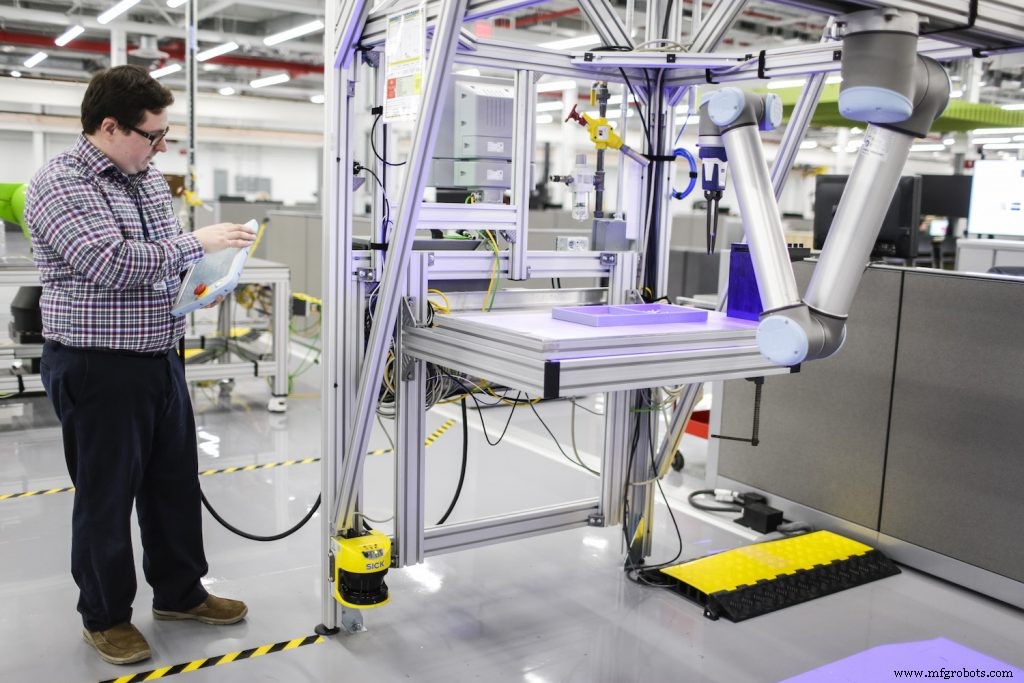
In the summer of 2018, Ford opened its state‑of‑the‑art Advanced Manufacturing Center in Michigan. The 135,000‑square‑foot, $45 million facility brings together collaborative robots, VR, AR, and a robust 3D printing ecosystem—housing 23 industrial 3D printers that are already shaping product development and exploring integration into production lines.
Harold Sears on the Evolution of Additive Manufacturing
With 25 years in the industry, Harold Sears, Technical Leader of Additive Manufacturing Technologies at Ford, explains how the field has moved from simple concept models to high‑performance production parts.
- Early 3D printing was limited to visual prototypes.
- Advancements in durable materials enabled functional prototypes.
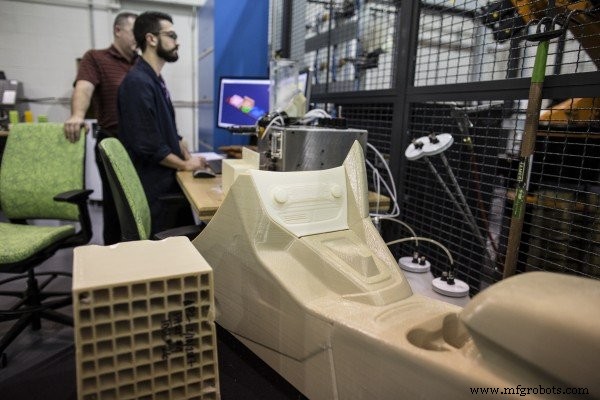
- Today, AM is used for prototype, tooling, and even finished vehicle components.
The last five years have accelerated AM’s functional role far beyond the first decade, making it integral to daily engineering and manufacturing.
Ford’s Current AM Strategy and Value
Ford produces tens of thousands of 3D‑printed parts annually for prototype development. The company is now expanding AM into the manufacturing floor, focusing on:
- Efficient tooling, jigs, and fixtures that reduce setup time.
- Automotive‑specific parts designed for production use.
- Collaborations with suppliers to develop materials and build envelopes that meet automotive requirements.
Unlike aerospace or medical sectors, automotive needs unique materials and larger build volumes; Ford aims to lead the industry in these areas.
Key Automotive Requirements for AM
- UV Resistance: Materials must withstand constant UV exposure.
- Temperature Tolerance: Parts must endure large thermal swings.
- Build Envelope: Larger parts require machines with expanded build volumes.
- Throughput: Production volumes demand parts produced in minutes or seconds, not hours.
Future Volume Projections
Five years ago, AM could produce a few thousand parts; today, it reaches tens of thousands. Within 3–5 years, Ford anticipates production capacities of 400–500 k parts per month, a substantial leap toward high‑volume automotive manufacturing.
Success Stories in Product Development
Ford’s AM program has dramatically accelerated prototype cycles:
- Engineers can simultaneously print multiple design variants, enabling parallel testing.
- Rapid iteration reduces tooling costs and shortens time‑to‑market.
- Ergonomic tooling created via AM improves operator comfort and product quality.
- Early AM integration projects forecast savings of over $2 million.
The Next Five Years: Polymers, Metals, and Beyond
While metal AM remains prominent, polymer and plastic technologies are gaining traction. Ford will continue to explore both streams, balancing their strengths and limitations. Emphasis will also be on:
- Refining software tools for Design for Additive Manufacturing (DfAM).
- Enhancing generative and topology‑optimization software for intuitive use.
- Training personnel to think in AM‑centric design principles.
Hardware, software, and training must evolve together to unlock AM’s full potential.
Advanced Manufacturing Center: Vision and Collaboration
The center serves as a collaborative hub where Ford engages with tier‑one suppliers and 3D‑printing vendors. Features include:
- Flexible floor space for consignment testing of new machines.
- Hands‑on feedback loops for material and process development.
- Co‑creation of automotive‑specific parts with partners.
What’s Next for Ford in 2019 and Beyond
Ford’s investment in the Advanced Manufacturing Center will translate into:
- Production of 3D‑printed components for upcoming vehicles.
- New applications that streamline manufacturing, accelerate development, and enhance quality.
- A deeper integration of AM into everyday operations, moving from exception to standard practice.
3D printing
- How 3D Printing Is Revolutionizing Defence – Benefits, Challenges, and Future Applications
- How 3D Printing is Revolutionizing Automotive Production – 2021 Insights
- Expert Interview: Simon Fried, Co‑Founder of Nano Dimension, on 3D Printing’s Future in Electronics
- Solvay’s Brian Alexander on Building High‑Performance Polymers for Additive Manufacturing
- How Graphite AM’s Jonathan Warbrick Drives Success in Industrial 3D Printing
- Revolutionizing Cars: How 3D Printing Is Transforming Automotive Design and Production
- How 3D Printing is Driving Innovation in the Automotive Industry
- Revolutionizing Mold Production: 3D Printing in the Mold Manufacturing Industry
- 5 Proven Ways 3D Printing Is Transforming Automotive Design & Production
- Revolutionizing Auto Production: The Role of Additive Manufacturing