



How 3D Printing Is Revolutionizing Consumer Goods: 10 Cutting‑Edge Applications

3D printing is injecting fresh momentum into the consumer goods sector. By enabling rapid prototyping and direct manufacturing, the technology is unlocking new product concepts, driving cost efficiencies, and delivering unprecedented levels of personalization.
1. Arevo’s First 3D‑Printed Carbon‑Fiber Bike
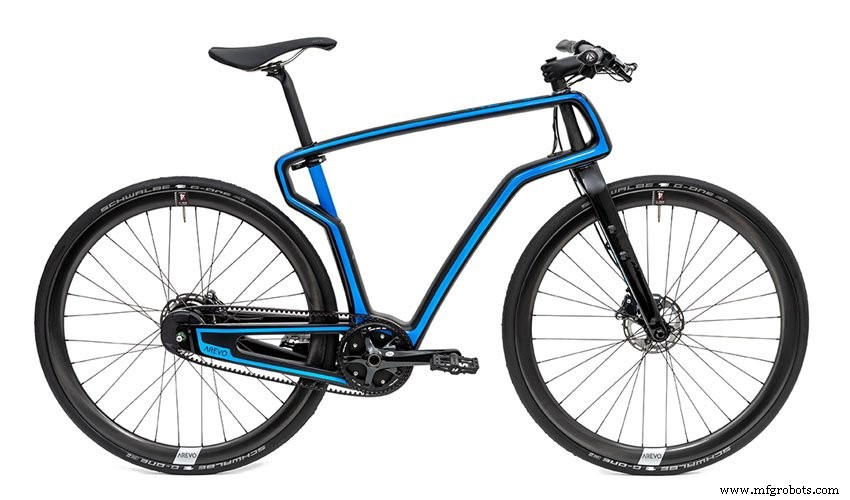
Carbon‑fiber frames offer the ideal blend of strength and weight, yet their high cost and labor‑intensive production have limited widespread adoption. Silicon Valley startup Arevo has addressed these challenges with a proprietary robotic 3D‑printing process that uses PEEK filaments reinforced with continuous carbon fiber. The six‑axis robotic arm deposits material in a single, uninterrupted build, producing a frame that is uniformly strong in all directions—a key advantage over traditional filament‑based parts.
Arevo claims the technology can deliver a complete carbon‑fiber bike for as little as $300, compared to the $1,000–$2,000 price range of conventionally manufactured frames. While still a prototype, the company plans to partner with established bike makers to bring the product to market later this year.
2. Chanel’s 3D‑Printed Mascara Brush
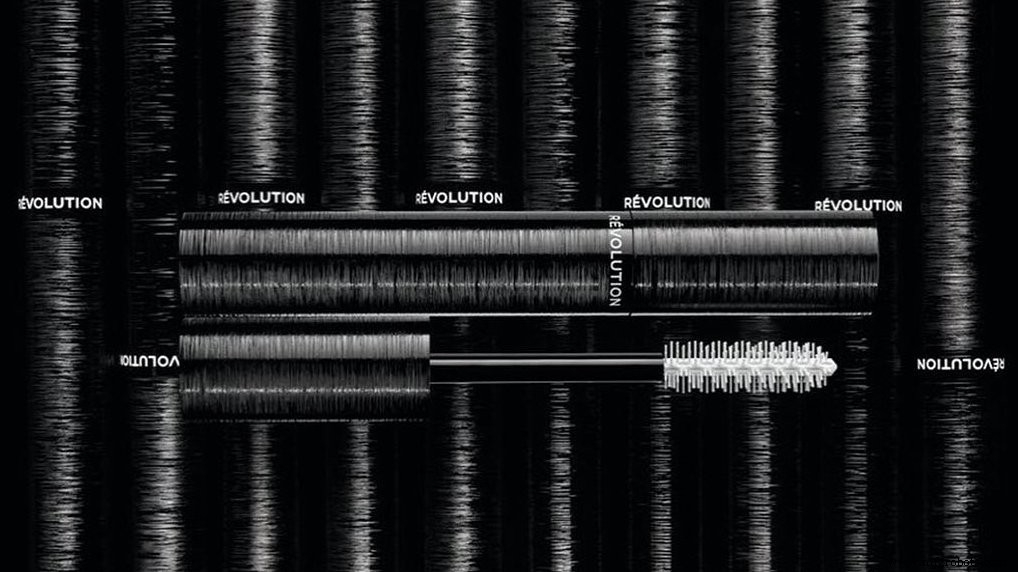
French luxury house Chanel pioneered the first 3D‑printed mascara brush in 2018, collaborating with Erpro Group and employing Selective Laser Sintering (SLS). The process fuses polyamide powder layer by layer, allowing the company to produce up to 50,000 brushes per day.
By iterating over 100 prototypes—impossible with traditional molding—Chanel introduced a brush that holds 15 % more mascara thanks to micro‑cavities, and features a granular bristle texture for superior distribution.
3. Carbon & Riddell’s 3D‑Printed Helmet Liners
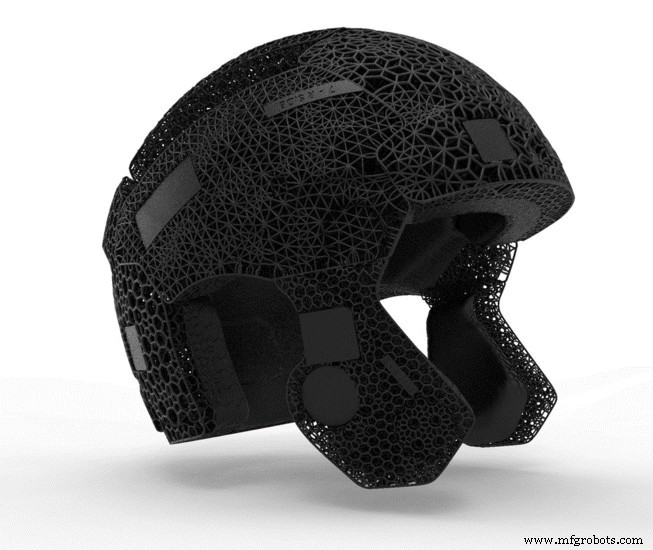
Carbon’s L1 3D printer, combined with Riddell’s Precision‑Fit head‑scanning, produced a custom helmet liner for the SpeedFlex Precision Diamond model. The lattice design contains over 140,000 struts made from impact‑resistant elastomer, reducing concussion risk while maintaining comfort.
Other players—such as London’s Hexo Helmet—are also exploring SLS‑printed bicycle helmets, underscoring the technology’s suitability for protective headgear where weight, fit, and impact resistance matter.
4. Dr. Scholl’s Custom 3D‑Printed Insoles
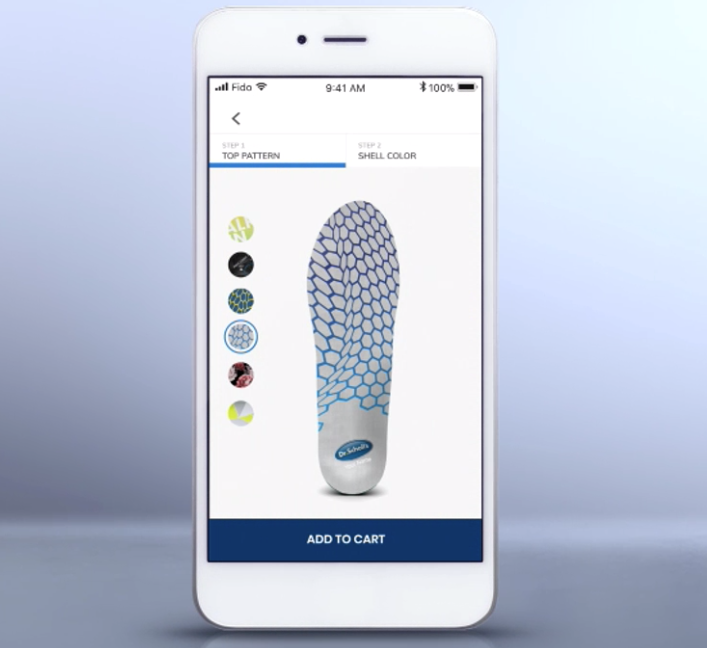
Partnering with Wiivv, Dr. Scholl’s launched a mobile app that captures a foot’s geometry from multiple photos. The app generates a 3D model using 400 mapping points, and the resulting insole is printed in under 14 days for $99.
By eliminating tooling costs, the company delivers personalized comfort at a fraction of traditional manufacturing, positioning 3D printing as a key enabler for mass custom footwear.
5. Specsy’s 3D‑Printed Eyewear
Canadian startup Specsy offers opticians a cloud‑based app that combines augmented reality with 3D scanning. After a live facial scan, a custom frame is fabricated with multi‑color printers in roughly eight hours, followed by a three‑day hand inspection.
Specsy’s platform removes traditional constraints on frame shape, size, and material, paving the way for truly bespoke eyewear.
6. UrbanAlps’ Metal 3D‑Printed Stealth Key
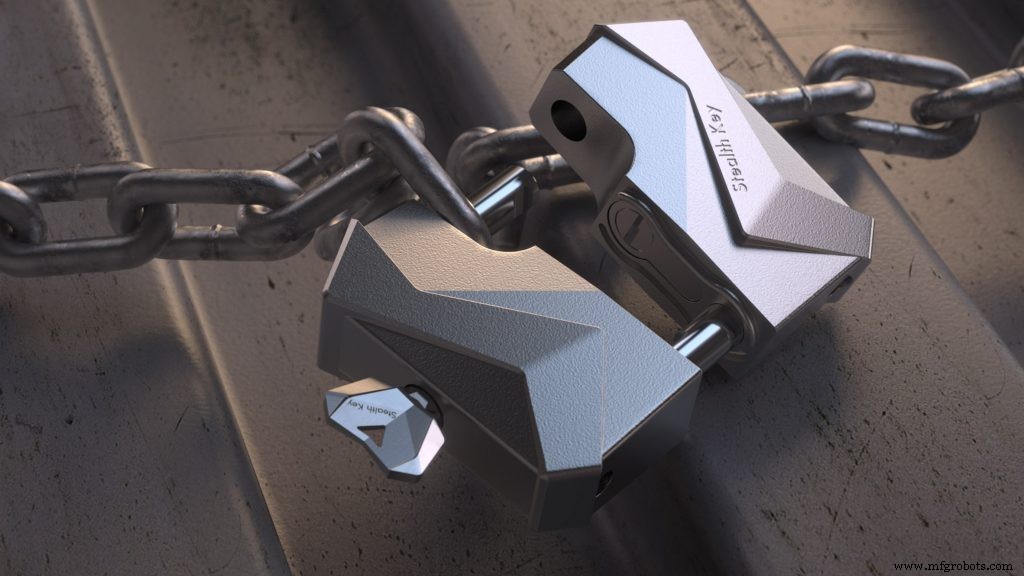
Swiss security firm UrbanAlps has introduced the world’s first metal 3D‑printed key, built with Selective Laser Melting (SLM) and titanium powder. The key’s internal geometry prevents scanning or duplication, while a complementary cylinder resists cutting, drilling, and high‑temperature torches.
Available in two sizes and six colors, the Stealth Key set retail for around $200, offering a high‑security alternative that could set new industry standards.
7. DEEPTIME’s Sand‑Printed Audio Set
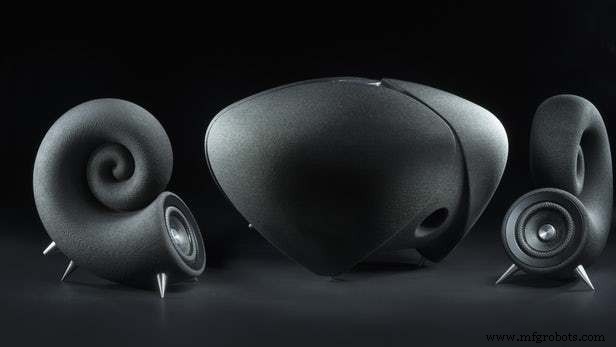
Czech design studio DEEPTIME unveiled a premium audio system featuring speakers and enclosures fabricated by Binder Jetting from sand. The single‑piece construction yields an organic shape that enhances acoustic performance.
All components—including electronics and control rings—are custom‑designed, resulting in a set priced at €3,141.59 ($3,562.72). While presently a luxury offering, the example demonstrates the creative potential of 3D printing in high‑end audio design.
8. SmileDirectClub’s 3D‑Printed Dental Aligners
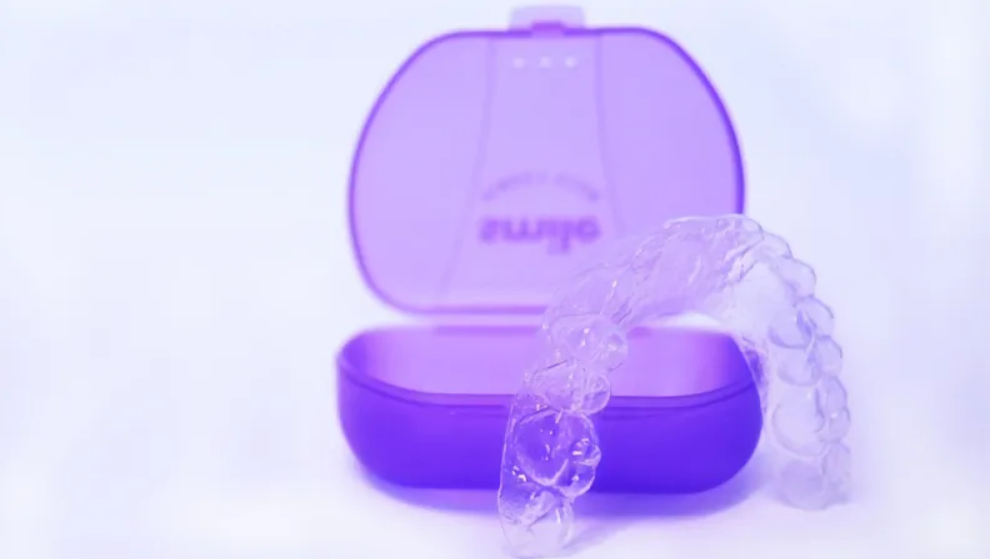
SmileDirectClub leverages BPA‑free 3D printing to produce custom invisible aligners. Customers begin with a home impression kit, which is mailed back along with photos. A dental professional designs the treatment plan, after which the company prints and ships the aligners.
The result is a 60 % cost reduction versus traditional aligners, and the service has already benefited over 300,000 users.
9. Gillette’s Razor Maker™ 3D‑Printed Handles
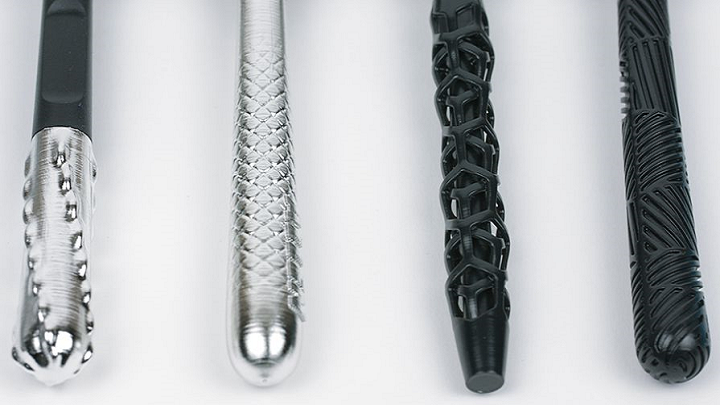
Gillette’s Razor Maker platform allows customers to customize razor handles via 48 design options. The handles are fabricated using Stereolithography (SLA), producing smooth, detailed parts in 2–3 weeks.
Because 3D printing eliminates tooling, the company can offer high‑design freedom at a low volume, meeting the growing demand for personalized grooming products.
10. MINI’s 3D‑Printed Accessories Customisation Service
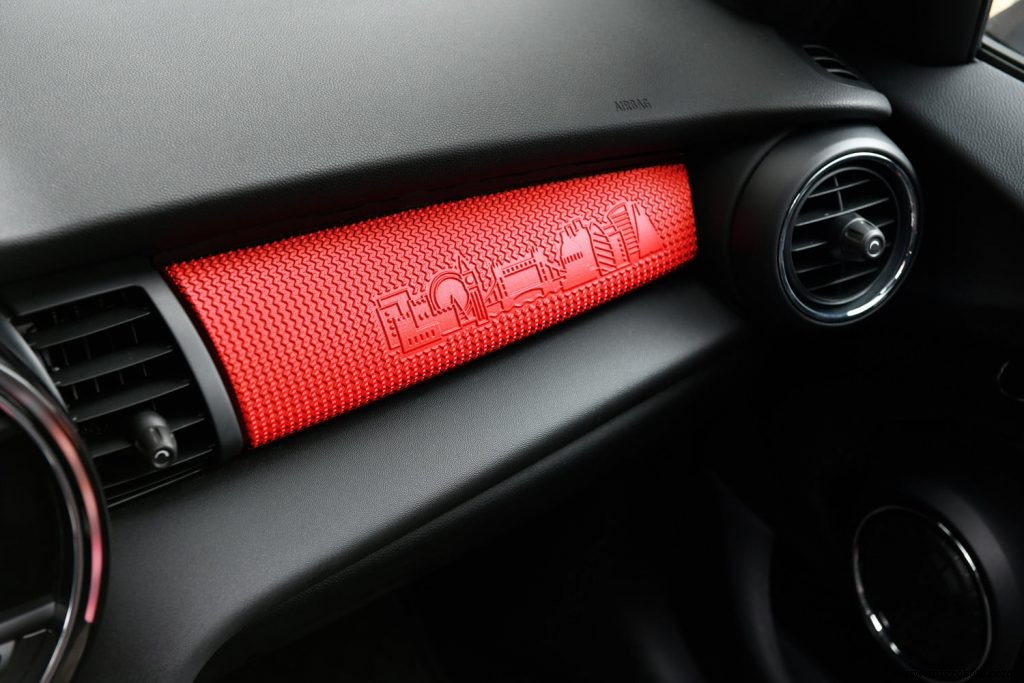
BMW’s MINI launched a 3D‑printing service that lets owners personalize car parts such as door handles and side‑plate inserts. Customers select patterns, finishes, or text, and the parts are printed on demand and painted in colors like white, red, black, or silver.
Manufactured through partners such as Carbon, EOS, and HP, the components are ready within four weeks, illustrating how automotive brands can use additive manufacturing for on‑demand customization.
Customizing the Future with 3D Printing
Across consumer goods, 3D printing empowers manufacturers to deliver tailored, high‑value products at scale. From rapid prototyping to on‑demand production, the technology is reshaping design, supply chains, and customer experience, heralding a new era of bespoke consumer products.
3D printing
- How 3D Printing Is Revolutionizing the Medical Field: 4 Key Applications & Future Trends
- 5 Ways 3D Printing Will Revolutionize Electronics
- How 3D Printing Is Transforming Consumer Goods: 5 Key Benefits & Real‑World Examples (2021 Update)
- 6 Proven Strategies to Cut 3D Printing Costs
- How 3D Printing Is Revolutionizing the Toy Industry: 5 Key Benefits
- 10 Cutting‑Edge 3D Printing Innovations Revolutionizing Automotive Production in 2021
- How 3D Printing Is Revolutionizing Construction: 10 Key Transformations
- Revolutionizing Mold Production: 3D Printing in the Mold Manufacturing Industry
- 5 Proven Ways 3D Printing Is Transforming Automotive Design & Production
- How CNC Machining Drives Innovation in the Electronics Industry: 5 Key Applications