



How 3D Printing Is Transforming Consumer Goods: 5 Key Benefits & Real‑World Examples (2021 Update)
Plus, examples of the technology in action.
Did you know that 76 percent of consumer‑goods companies are already using 3D printing?
Consumer‑goods brands are embracing additive manufacturing to deliver faster, more customer‑centric products at lower cost.
With 3D printing increasingly adopted across the sector, we examine its core benefits and highlight how six key segments are deploying the technology today.
5 Benefits of 3D Printing for Consumer‑Goods Companies
1. Accelerated Development Cycles
3D printing shortens prototype turnaround from weeks to days. For instance, Toly, a packaging firm, reduced development time from three weeks (CNC) to overnight prints, allowing rapid iteration and next‑day testing.
Multi‑material 3D printing lets designers create prototypes that match the final product’s textures and colors, streamlining design validation.
2. Greater Design Flexibility
Complex geometries—impossible with conventional processes—become feasible. Products such as lattice‑infused shoe midsoles or optimized bike components demonstrate the innovation unlocked by additive manufacturing.
3. Customisation Without Added Cost
Because 3D printing requires no tooling changes, manufacturers can produce unique designs without extra time, energy, or material costs. The machine alone is the “tool,” enabling seamless mass customisation.
4. Tool and Mold Manufacturing
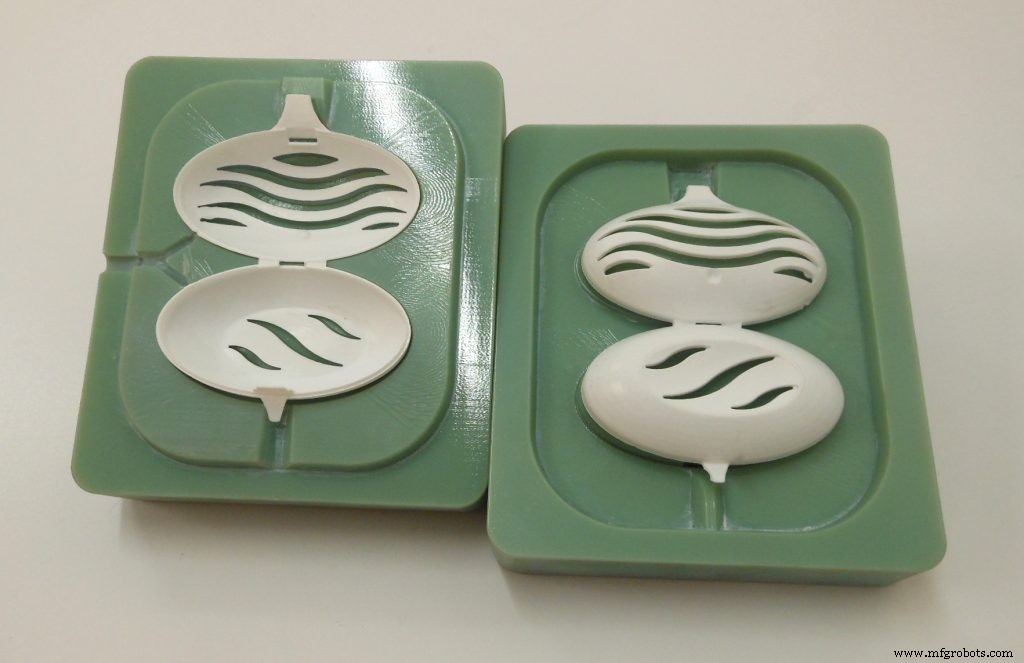
A 2023 EY survey found that 39 percent of consumer‑goods firms see value in 3D‑printed tools. Unilever, for example, now prints injection‑mold tools in final material, cutting prototype lead times by 40 percent. Estée Lauder’s Whitman plant uses 3D‑printed jigs for Jo Malone label alignment, saving time and money.
5. Sustainability
Additive manufacturing builds parts layer‑by‑layer, drastically reducing material waste. Nike’s FlyKnit shoes cut waste by up to 60 percent versus traditional cut‑and‑sew methods.
Read more about sustainability in 3D printing
How Consumer‑Goods Segments Are Using 3D Printing in 2020
Footwear
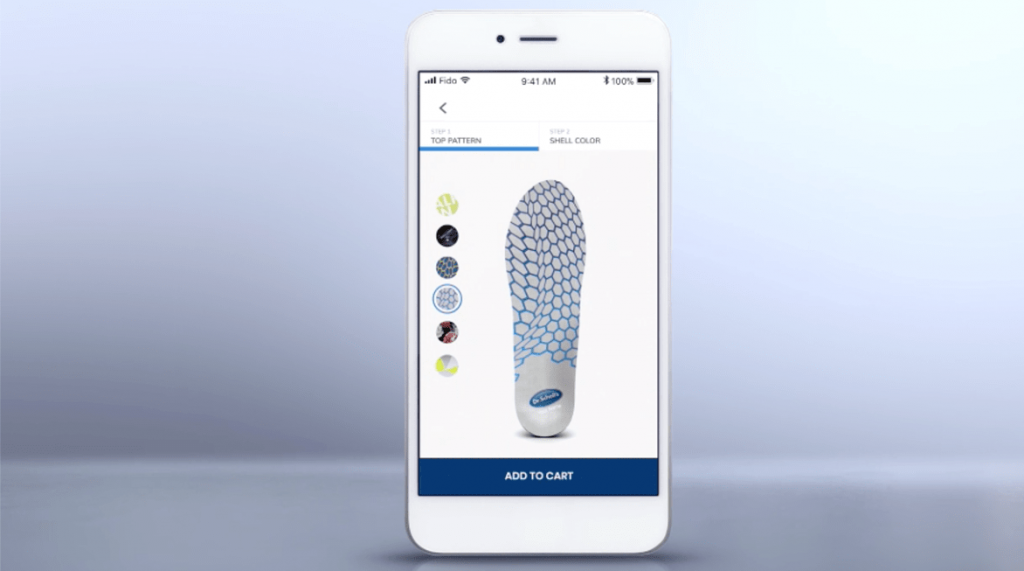
Footwear is poised to become the largest 3D‑printed consumer segment within a decade. Brands like Dr. Scholl use Wiivv’s app to scan feet in <5 minutes, print custom insoles in 14 days for $99, and allow design personalization.
Major players—Adidas, Nike, New Balance—are exploring midsole and upper production via 3D printing. Although current revenues are under 1 percent of the global market, demand for personalization drives continued experimentation.
Jewellery and Accessories
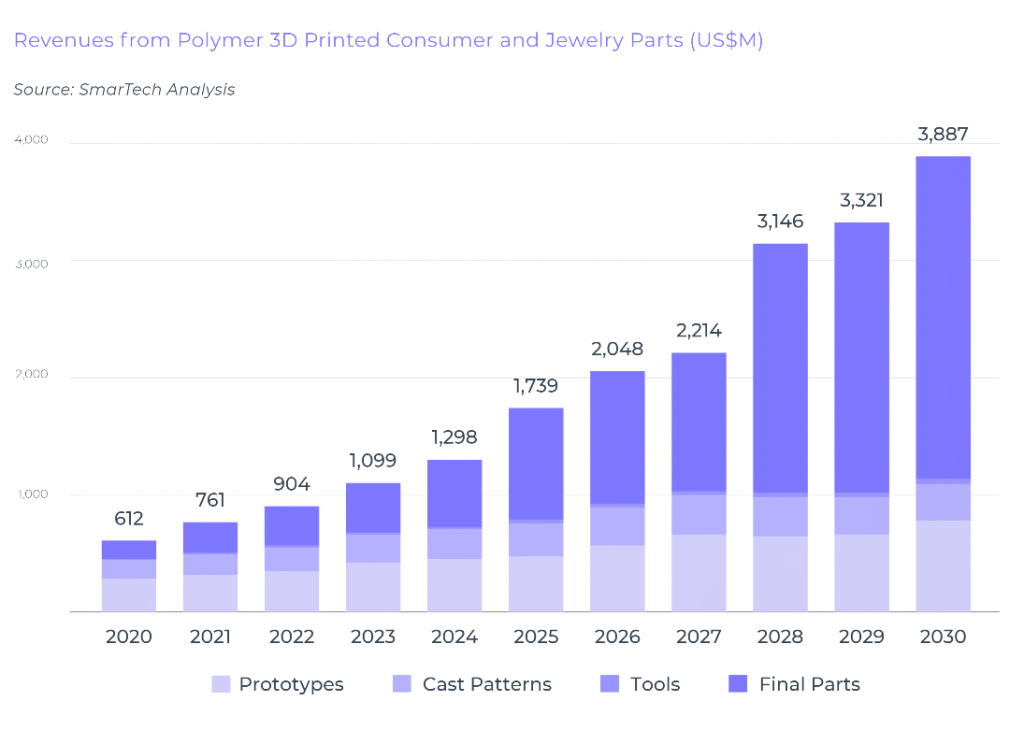
Precious‑metal additive manufacturing is projected to reach $1.8 billion by 2028. Vowsmith cuts ring production time by 50 percent by printing wax moulds; BOLTENSTERN’s ‘Embrace’ line is the first commercially available gold and platinum 3D‑printed jewellery.

Eyewear
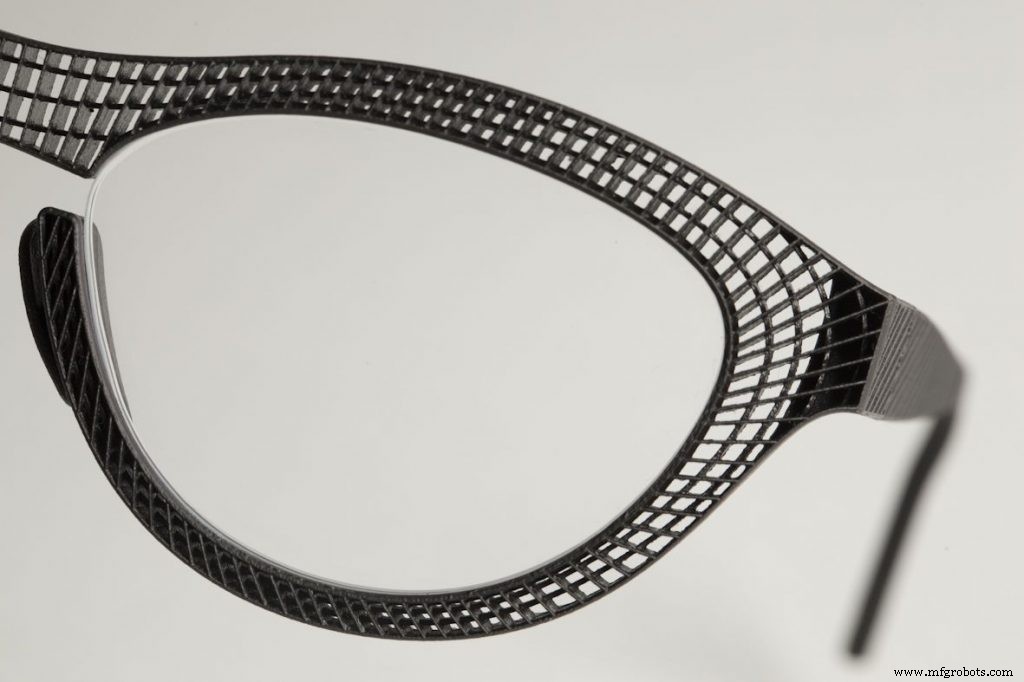
Laser‑melting 3D printing enables intricate titanium frames with mesh‑like structures, as seen in Hoet Couture’s high‑end collection. While still limited to small batches, 3D printing allows designers to experiment with shapes, colors, and textures that were previously unfeasible.
Bicycle Manufacturing
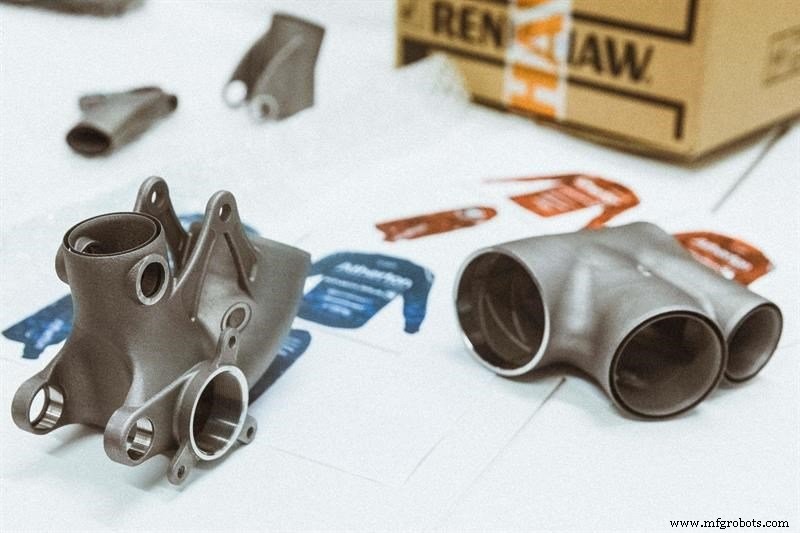
Empire Cycles partnered with Renishaw to produce a topologically optimised titanium frame 33 percent lighter than its predecessor, improving speed and responsiveness. Although mass production remains distant, the technology promises significant performance gains.
Beauty and Cosmetics
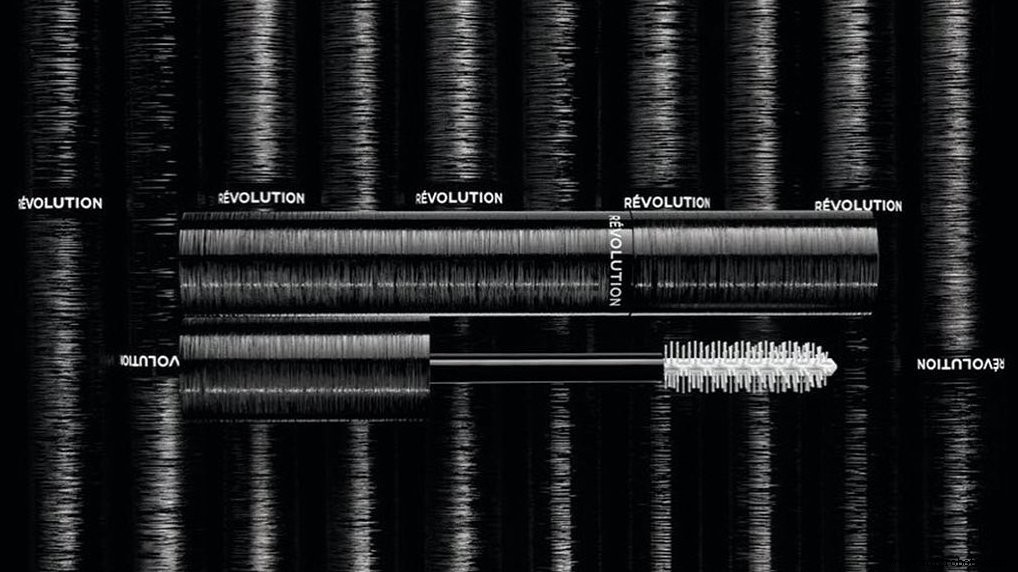
Chanel’s 2018 launch of a 3D‑printed mascara brush showcased how laser sintering can produce finely textured, high‑performance cosmetics. The technology enables designers to refine brush geometry for superior product performance.
Consumer Electronics
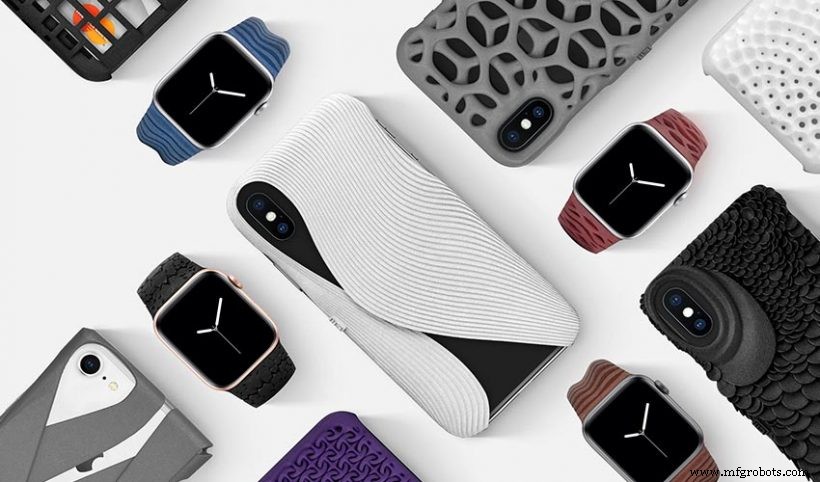
3D‑printed enclosures, USB cases, and keyboards are already common. Moogue offers an online configurator for custom phone cases, allowing customers to select colors, patterns, and graphics—demonstrating the value of personalization in electronics.
Challenges to Adoption in the Consumer‑Goods Industry
Despite its promise, adoption lags behind aerospace and medical sectors. Production volumes and speed currently limit scalability. However, emerging technologies—Carbon’s Digital Light Synthesis, metal binder jetting, HP’s Multi‑Jet Fusion—are pushing production limits, suggesting a future where 3D printing can compete with conventional manufacturing.
Building a Competitive Advantage with 3D Printing
As 3D printing scales, companies that pilot the technology early will identify high‑impact applications and embed them into production workflows. Integration with MES software and end‑to‑end digital tools will enable seamless order processing and operational visibility across sites.
Ultimately, additive manufacturing will shape consumer‑goods trends—from pioneering designs to mass customisation. Acting now positions brands at the forefront of this transformative shift.
3D printing
- How 3D Printing Is Revolutionizing the Medical Field: 4 Key Applications & Future Trends
- Is 3D Printing Ready for the Construction Industry? 2020 Update
- 5 Ways 3D Printing Will Revolutionize Electronics
- How 3D Printing is Revolutionizing Automotive Production – 2021 Insights
- How 3D Printing Is Transforming Consumer Goods: 5 Key Benefits & Real‑World Examples (2021 Update)
- How 3D Printing Transforms Metal Casting: 3 Key Benefits
- How 3D Printing Is Revolutionizing the Toy Industry: 5 Key Benefits
- How 3D Printing Is Revolutionizing Consumer Goods: 10 Cutting‑Edge Applications
- 10 Cutting‑Edge 3D Printing Innovations Revolutionizing Automotive Production in 2021
- How 3D Printing Is Revolutionizing Construction: 10 Key Transformations