



How 3D Printing Transforms Metal Casting: 3 Key Benefits
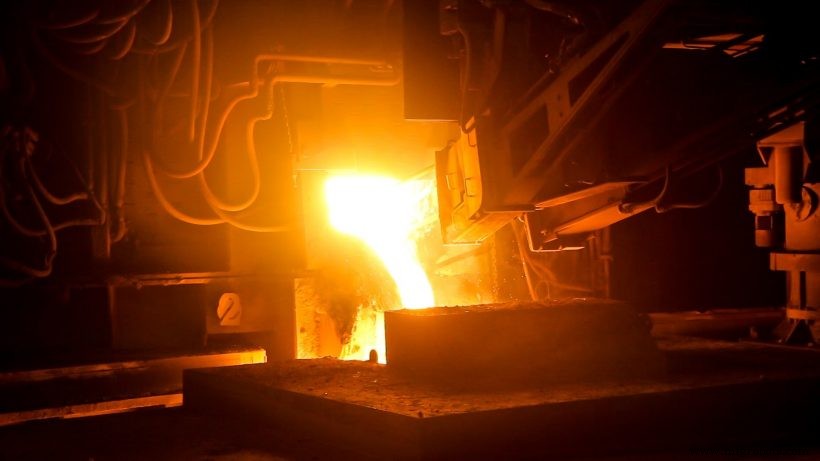
Metal casting has stood the test of time, yet it faces modern challenges of cost, labor, and lead time. 3D printing offers a powerful solution, enabling foundries to produce tooling—dies, patterns, and molds—more efficiently and affordably.
Overcoming Traditional Limitations
While die casting, sand casting, and investment casting remain industry staples, they still suffer from high tooling costs and labor‑intensive processes that can extend lead times to months. These constraints limit scalability for small to medium production runs.
- High Tooling Costs: Creating cast tools can cost thousands of dollars, often making it impractical to amortize for low volume runs.
- Labor‑Intensive Production: Manual tool fabrication leads to long lead times—sometimes several months—hampering responsiveness.
By embracing 3D printing, foundries can address these pain points and unlock new levels of flexibility.
Three Ways 3D Printing Enhances Metal Casting
#1 3D‑Printed Dies for Die Casting
Die casting involves forcing molten metal into a high‑pressure mold. A critical component is the cooling channel network, traditionally machined in straight lines. This often results in uneven cooling, tool deformation, and shortened tool life.
Metal additive manufacturing—such as DMLS or SLM—allows designers to embed complex, optimally shaped cooling channels directly into the die. Benefits include:
- Design freedom for intricate geometries and internal lattices
- Even, faster cooling, reducing cycle time
- Extended tool life and improved performance
#2 3D‑Printed Patterns for Investment Casting
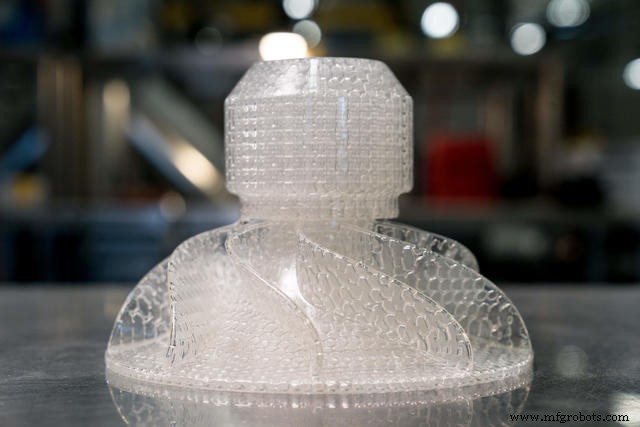
Investment casting relies on wax or resin patterns coated in ceramic shells. Traditionally, these patterns are injection‑molded, with tooling costs ranging from $3,000 to $30,000 and lead times of 1–4 weeks—untenable for low‑volume runs.
By printing patterns with stereolithography or FDM using castable resins or PLA/ABS‑based filaments, foundries can:
- Cut lead times from weeks to days
- Eliminate expensive mold tooling
- Enable designers to explore highly complex geometries
Manufacturers such as 3D Systems offer wax printers that deliver patterns with excellent burnout characteristics, making them ideal for investment casting.
#3 3D‑Printed Sand Molds and Cores
Sand casting traditionally requires hand‑packed sand molds and separate core‑making steps. 3D printing streamlines this by directly fabricating molds and cores from CAD data.
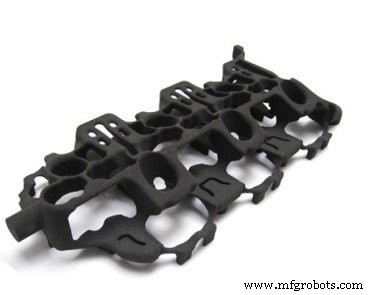
Binder Jetting technology selectively deposits a binder into sand layers, creating robust molds that can withstand harsh casting environments. Current systems can produce components up to 4,000 × 2,000 × 1,000 mm, suitable for large‑scale production.
Key advantages:
- Rapid production—eliminating tool fabrication
- Unrestricted design freedom for complex geometries
- Single‑piece cores (e.g., impeller cores) that remove assembly steps
Real‑World Applications
While full‑scale 3D‑printed metal dies are still emerging, investment casting patterns and sand cores/molds are already widely adopted.
Investment Casting Patterns
Canadian jeweler Vowsmith integrated 3D Systems’ wax printers to produce 35–40 custom ring patterns per print, slashing production and delivery times by 50%. The process is now standard for intricate jewelry and personalized dental products.
Sand Casting
Hazleton Casting Company pairs its traditional foundry line with a robotic sand 3D printer, enabling on‑demand, geometrically complex cores and molds. For complex designs, this approach can cut tooling costs by up to 50%.
Danko Arlington, a specialist patternmaker, recently invested in a large sand 3D printer to replace costly legacy tooling, streamlining small‑batch production.
Hydraulic Valve Cores
Prospect Foundry in the U.S. tackled challenging hydraulic valve core designs with binder‑jetting sand printing, delivering complex parts with minimal scrap and opening new business opportunities previously deemed too difficult.
3D Printing: A Strategic Complement to Metal Casting
Rather than replacing traditional casting, 3D printing enhances it—particularly for low‑volume, high‑complexity jobs. It removes the need for CNC milling or other expensive tooling, delivers greater design freedom, and reduces time‑to‑market.
Foundries that adopt additive manufacturing can overcome the limitations of conventional methods and maintain competitiveness in a rapidly evolving manufacturing landscape.
3D printing
- 5 Common Metal 3D Printing Issues—and How to Resolve Them
- 5 Ways 3D Printing Will Revolutionize Electronics
- How 3D Printing Is Transforming Consumer Goods: 5 Key Benefits & Real‑World Examples (2021 Update)
- How 3D Printing Is Revolutionizing the Toy Industry: 5 Key Benefits
- Metal 3D Printing Today: From Prototype to Production
- How Desktop 3D Printers Are Reshaping Industrial Manufacturing
- Assessing the Maturity of Metal 3D Printing Technologies
- Metal 3D Printing: Revolutionizing Production with Speed, Cost Savings, and Design Freedom
- How 3D Printing is Revolutionizing Sand Casting
- Can 3D Printing Replace Traditional Metal Casting?