



Metal 3D Printing Today: From Prototype to Production
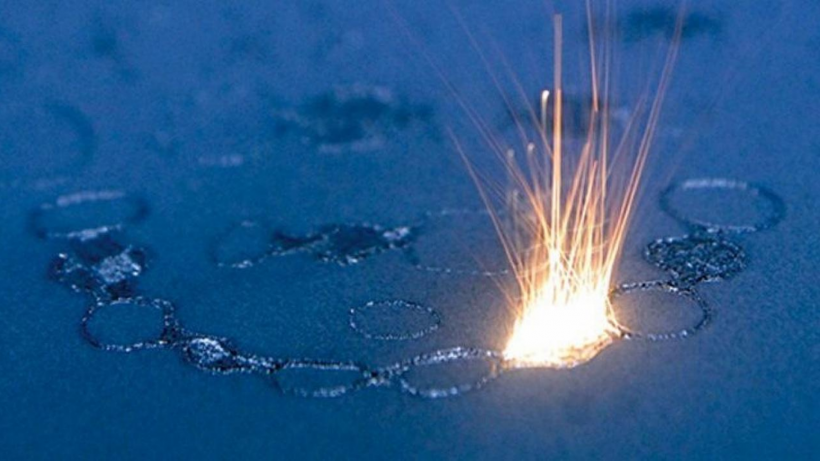
Metal 3D printing has moved from a niche prototyping tool to a viable production technology in the past decade. It is now employed across medical, automotive, and aerospace sectors, driving a shift toward high‑volume, cost‑effective manufacturing.
To understand where we stand, let’s trace the key milestones that have shaped the industry, examine current capabilities, and look ahead to the next decade.
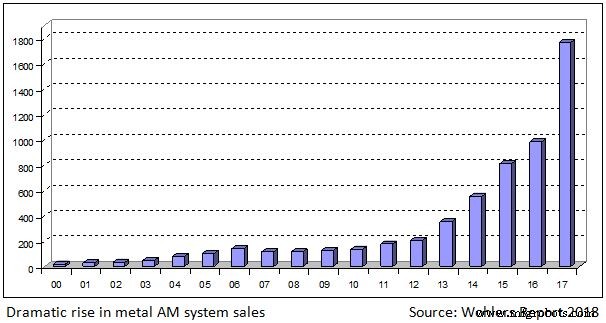
Key Milestones That Defined Metal 3D Printing
Since the 1980s, breakthroughs in laser sintering, binder jetting, and powder bed fusion have built the foundation of today’s technology.
- 1980s – Dr. Carl Deckard patents selective laser sintering (SLS) for plastics, setting the stage for metal adaptations.
- 1988 – Dr. Ely Sachs develops a binder‑jetting process that later underpins metal binder jetting.
- 1994–1995 – EOS introduces the EOSINT M250, the first commercial metal laser sintering machine; Fraunhofer files the first laser‑melting patent.
- 1998 – Optomec launches Laser‑Engineered Net Shaping (LENS), a direct energy deposition (DED) system.
- 2000–2002 – Arcam patents Electron Beam Melting (EBM) and releases the S12 machine.
- 2004–2005 – EOS switches to fibre lasers, improving melt efficiency and part density.
- 2017–2019 – Digital Alloys (Joule), HP (Metal Jet), and Desktop Metal achieve significant funding and product launches, accelerating market momentum.
From DMLS to Full‑Scale Production
Direct Metal Laser Sintering (DMLS)
DMLS originated with EOS’s M250 in 1994. Early machines fused powder by partial melting, similar to SLS. Modern DMLS employs fibre lasers to fully melt powder, yielding parts with >99% density—ideal for structural applications.
New Production Concepts
Today’s leading vendors—EOS, Concept Laser, and 3D Systems—offer modular, automated platforms designed for factory integration. These systems reduce manual steps and enable rapid scale‑up, making serial production increasingly feasible.
Emerging Players
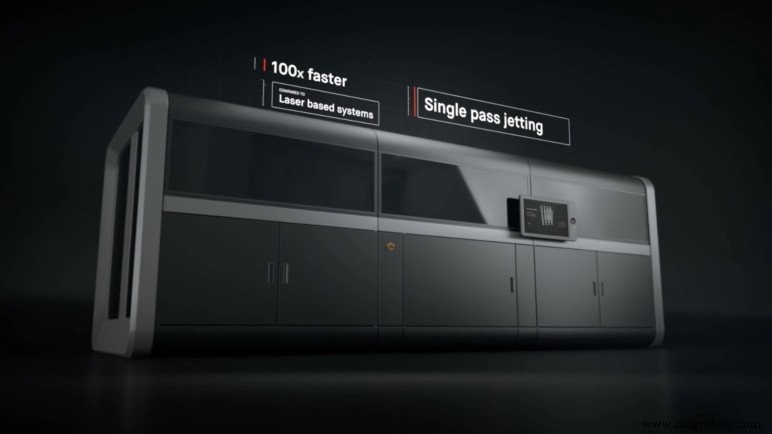
Digital Alloys’ Joule uses inexpensive metal wire, delivering high speeds and lower material costs. HP’s Metal Jet, a binder‑jet system, claims 50‑fold speed improvements and uses common MIM powders. Desktop Metal’s Studio, Production, and Shop lines target everything from small batches to large‑scale runs, achieving unicorn valuations.
Direct Energy Deposition (DED)
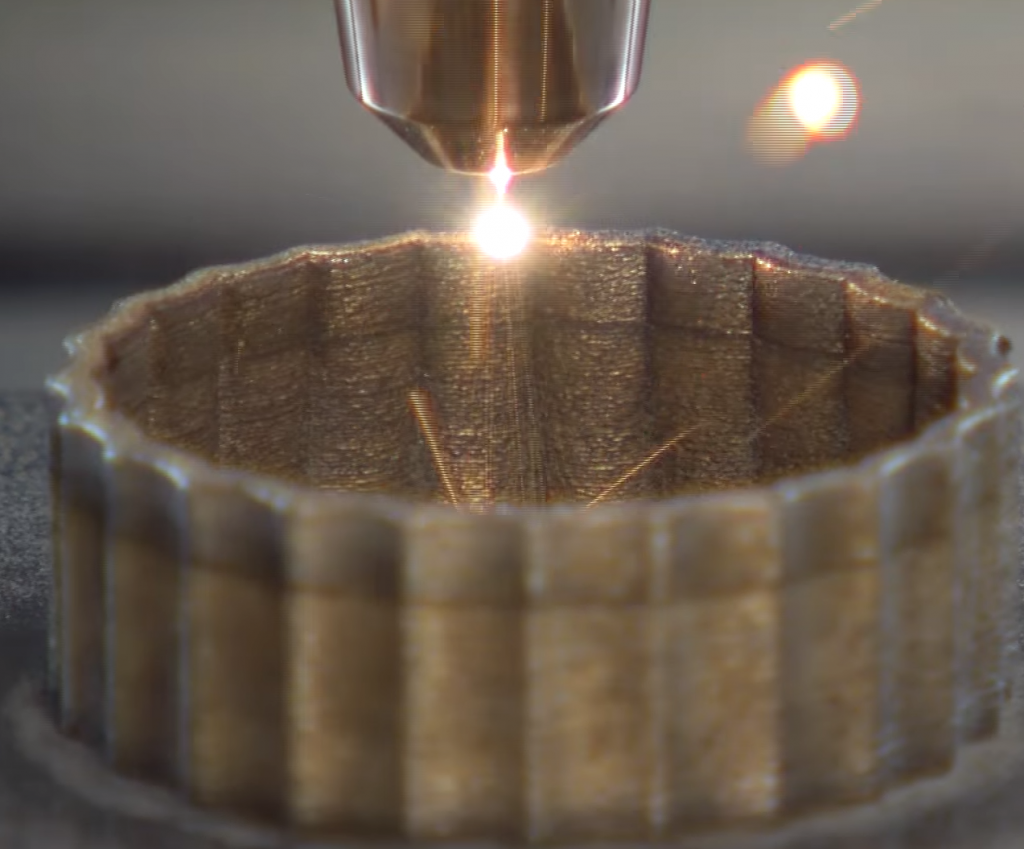
Rooted in welding, DED melts metal wire or powder onto a substrate via a laser or plasma arc. It excels at building large parts and repairing existing components. Companies like Norsk Titanium use DED to manufacture FAA‑approved titanium for the Boeing 787.
Hybrid Manufacturing
Hybrid systems combine DED with subtractive machining, enabling end‑to‑end production and post‑processing in a single machine. Early adopters include Hybrid Manufacturing Technologies and Imperial Machine & Tool Co.; major CNC manufacturers are also adding AM modules.
Materials: From Development to Diversity
Expanding the Alloy Palette
Creating AM‑specific alloys can take up to three years. Initially, users sourced cast or forged powders, which were suboptimal. Today, suppliers like Carpenter Technology, Sandvik, and Höganäs are investing heavily in AM‑grade powders for titanium, nickel, stainless steel, and cobalt‑chrome.
Printing Challenging Metals
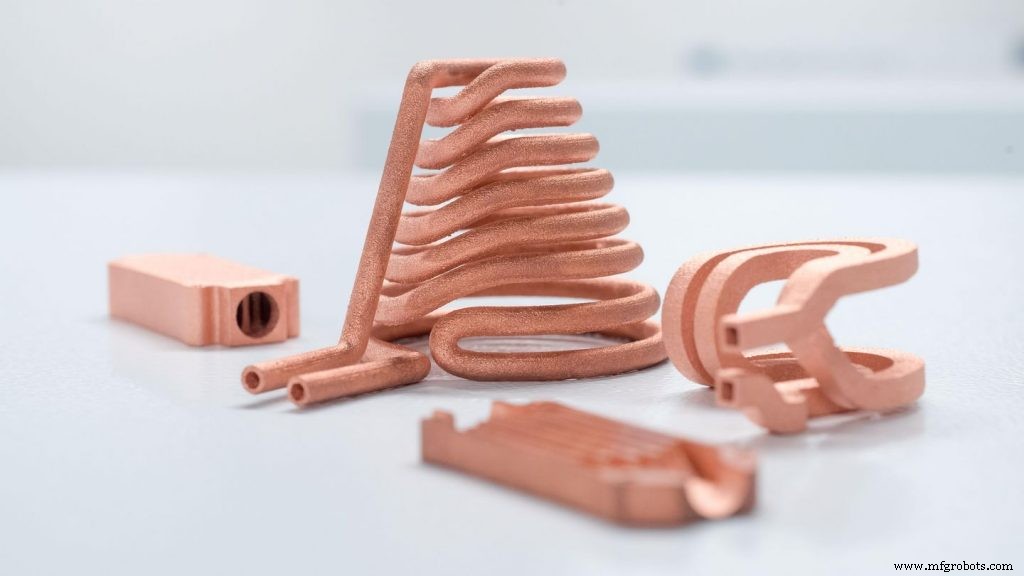
High‑reflectivity metals like copper and precious metals required new laser technologies; TRUMPF’s green laser now prints pure copper. Electron Beam Melting, with its extreme heat, handles high‑temperature alloys such as TiAl, the only commercial solution for this material.
Cost Trends
AM powders remain expensive—TI64 can cost $150–$400/kg. However, competition and new suppliers are driving prices down. Using low‑cost MIM powders with binder‑jet systems expands material choice while reducing costs.
Software: Simulation Drives Success
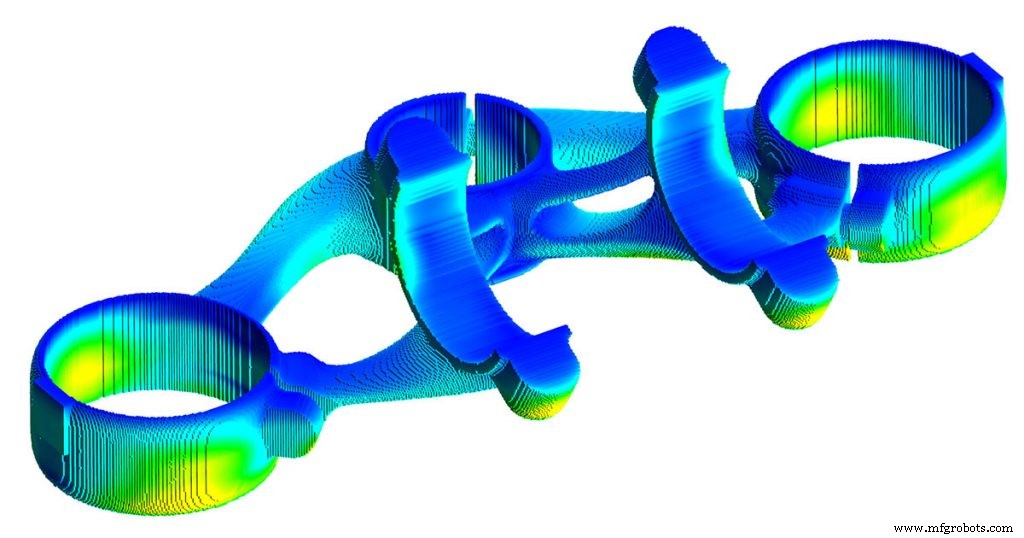
Complex geometries, high temperatures, and support structures make first‑print success challenging. Simulation tools—Netfabb, SIMULIA, Simufact, and ANSYS’ Additive Suite—allow engineers to predict part behavior, optimize build orientation, and minimize failures.
Challenges on the Path to Mass Production
Standardization
Serial production demands robust standards. The MPIF’s nine test methods for AM powders and emerging material specifications for titanium, nickel, and stainless steel are foundational steps toward regulatory acceptance.
Cost and Speed
Typical powder‑bed systems cost $200k–$2M, excluding materials and post‑processing. While progress is steady, further reductions in cycle time and material cost are essential for broader adoption.
High‑Volume Production
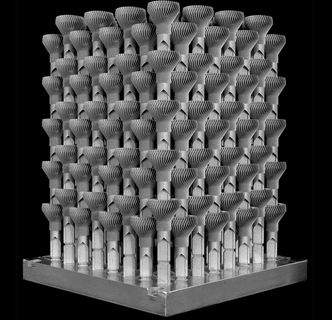
Industries like automotive require parts produced in minutes rather than days. Betatype’s heat‑sink example—stacking 384 parts in a single build envelope—cuts build time from 444 hours to <30 hours and unit cost from $39 to $3, illustrating the impact of design optimisation.
Looking Ahead: The Next Decade
Metal 3D printing is rapidly maturing, with large corporations investing in niche startups and new production concepts emerging. With ongoing advancements in speed, material diversity, and cost reduction, the industry is poised to transition from niche prototyping to mainstream, high‑volume manufacturing.
What lies ahead? While exact predictions are uncertain, the trajectory is clear: metal 3D printing is evolving into a reliable, scalable manufacturing platform across sectors.
Key Takeaways
- Metal 3D printing has advanced from prototype to production, driven by laser, binder‑jet, and DED innovations.
- Modern systems are modular, automated, and tailored for factory integration.
- Material development—especially low‑cost MIM powders—continues to broaden application scope.
- Simulation software is essential for design optimisation and process reliability.
- Standardization, cost reduction, and high‑volume capabilities remain critical hurdles.
3D printing
- Refractory Metal Powders vs. 3D Printing: Cutting‑Edge Additive Manufacturing for High‑Temperature Metals
- How Global Leaders Are Integrating 3D Printing Into Their Core Operations
- Desktop Metal’s BMD and Microwave Sintering: A New Era for Metal Additive Manufacturing
- Standards for 3D Printing (2020 Update): Current Landscape and Road Ahead
- FDM 3D Printing Today: Current State, Milestones, and Future Outlook
- Assessing the Maturity of Metal 3D Printing Technologies
- 2021 State of 3D Printing in Healthcare – Market Growth & Emerging Applications
- HP’s 3D Printing Journey: From Polymer Innovation to Metal Additive Manufacturing
- 3D Printing and Mass Customisation: Current Landscape and Future Opportunities
- Mastering Metal 3D Printing: A Comprehensive Guide