



Interview with ANSYS Chief Technologist on Driving Metal 3D Printing Success Through Simulation
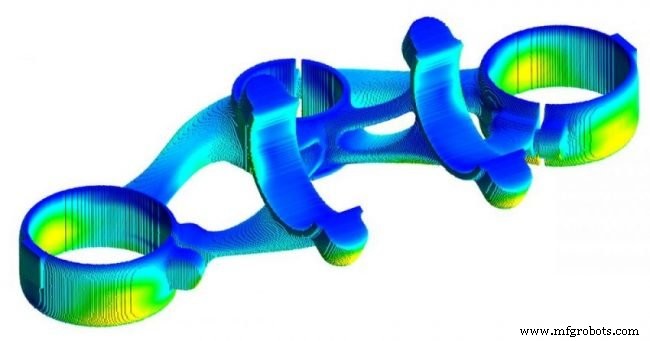
Metal 3D printing presents unique challenges—thermal distortion, residual stresses, cracking, and warping—all of which can derail a build. Simulation software is essential for predicting and mitigating these risks before a part ever leaves the printer.
By simulating both the part and the printing process, engineers can identify potential failure modes early, refine designs, and optimize process parameters, dramatically reducing the number of failed builds.
 ANSYS, a $1 billion leader in engineering simulation, has entered the additive manufacturing arena with its Additive Suite—an integrated set of metal simulation and advanced design tools. Through strategic acquisitions, including metal simulation firm 3DSIM and materials data provider Granta Design, ANSYS is rapidly expanding its capabilities for metal 3D printing.

This week we spoke with Dave Conover, ANSYS’s Chief Technologist of Additive Manufacturing, to learn how the company is helping engineers navigate the complexities of metal 3D printing, the current market landscape, and how new users can get started.
What problems is ANSYS addressing in additive manufacturing?
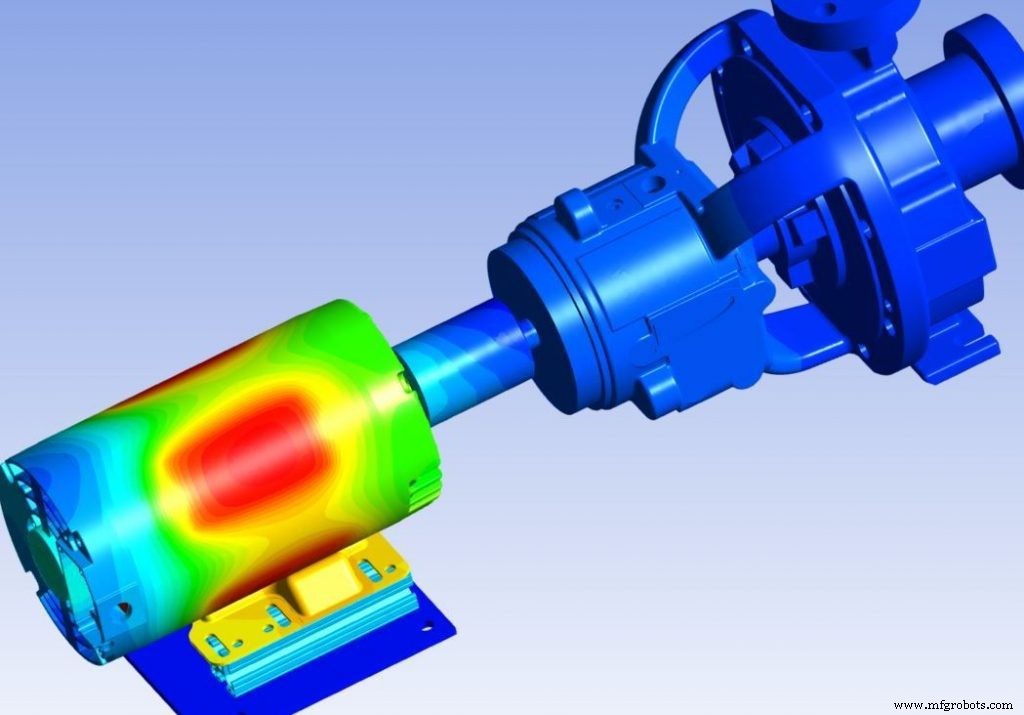
ANSYS traditionally supplies simulation tools that predict how a product behaves in real life. With the rise of additive manufacturing, we recognized a parallel need: simulating the manufacturing process itself. Issues like part distortion, cracking, and residual stresses can be quantified and mitigated during the design phase.
Our Additive Suite now includes process simulation, design optimization tools such as topology optimisation, and lattice‑structure design—capabilities that were previously unavailable to traditional manufacturing.
How does ANSYS’ Additive Suite work?
The suite is organized into three core solutions:
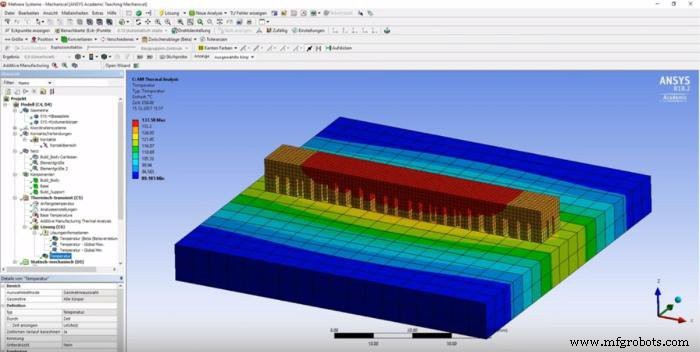
- Additive Print – Designed for machine operators and design engineers, this tool quickly predicts distortion and offers compensation strategies to ensure a successful build.
- Additive Design – Enables designers to simulate the process, so they can iterate parts with the unique constraints of metal AM in mind.
- Additive Science – Empowers material scientists and process engineers to fine‑tune machine settings, reduce porosity, and achieve desired microstructures.
These complementary tools cover the entire workflow—from design to machine operation to process optimization.

Which industries benefit most from ANSYS’ simulation software?
Aerospace remains a primary adopter, thanks to the technology’s lightweighting capabilities and its ability to produce complex, multifunctional components. Biomedical engineering is also rapidly embracing metal AM for custom implants and prosthetics. Beyond these, many sectors—from automotive to energy—are exploring metal 3D printing to gain a competitive edge or reduce tooling costs for low‑volume production.
How is the biomedical sector using metal AM, and where does simulation fit?
Custom implants and prosthetics are the core biomedical application. Simulation plays a pivotal role by predicting thermal distortion so that the final part can be pre‑distorted during design, ensuring a perfect fit for each patient.
What limitations still exist in current simulation software?
Metal AM is inherently complex: lasers interact with powder in ways that are difficult to capture fully in a model. As a result, most simulations rely on simplifying assumptions that limit accuracy. However, ongoing research worldwide is rapidly improving the fidelity of these models.
When can we expect higher‑accuracy simulations?
We anticipate significant advancements within the next year, with new tools that incorporate more detailed process physics and validate against experimental data.
Why did ANSYS acquire 3DSIM in 2017?
Our customers were already embracing metal AM and needed end‑to‑end support—from design to process understanding. 3DSIM’s expertise in process simulation and microstructure modeling complemented our strengths, enabling us to deliver comprehensive solutions quickly.
How will the acquisition of Granta Design enhance ANSYS’ AM capabilities?
Granta Design acts as a PLM for material data. By integrating their database, users can easily import validated material properties and machine settings into ANSYS simulations, ensuring consistency and accuracy across the entire workflow.
Are there other partnerships on the horizon?
We continue to expand our ecosystem. Recent moves include acquiring an optics company to support light‑simulation needs for autonomous vehicle research and exploring further collaborations that address gaps in the AM value chain.
What advice would you give companies looking to adopt metal 3D printing?
Start by identifying parts that deliver clear commercial value and consider partnering with experienced 3D‑printing service bureaus to prototype. Invest in training and process documentation; the technology matures quickly, but expertise is critical. Patience is key—expect a learning curve before achieving full production parity with conventional manufacturing.
What is the current status of metal 3D printing?
The industry has moved past initial hype into a phase of realistic expectations and steady growth. While adoption rates vary, sales of metal printers are rising, and the technology is becoming mainstream across aerospace, medical, and other high‑value sectors.
What challenges must be solved to accelerate adoption?
Key hurdles include maturing machine technology, standardizing end‑to‑end workflows, and streamlining post‑processing steps such as heat treatment. Continued consolidation of the fragmented AM ecosystem will simplify integration for small and mid‑size companies.
Final thoughts?
Metal AM is evolving rapidly but still requires collaborative effort across vendors, researchers, and users. At ANSYS, we’re committed to advancing simulation tools and industry research to make additive manufacturing as routine as machining today.
To learn more about ANSYS and its simulation solutions, visit: https://www.ansys.com/
3D printing
- Inside 3D Printing: Professor Neil Hopkinson on Innovation, Scale, and the Future
- Interview with Philip Cotton, Founder of 3Dfilemarket.com, UK 3D Printing Education Expert
- Dr. Alvaro Goyanes of FabRx on 3D‑Printed Medicines: From Innovation to Personalised Care
- Interview with Sintavia President Doug Hedges: Scaling Serial Production of Metal Parts via 3D Printing
- Software That Solves Four Major Additive Manufacturing Hurdles
- Interview with FIT AG CEO Carl Fruth: Driving Radical Innovation through Additive Manufacturing
- How Graphite AM’s Jonathan Warbrick Drives Success in Industrial 3D Printing
- Interview with VELO3D’s VP of Technology Partnerships: Advancing Metal 3D Printing Capabilities
- Altair’s Ravi Kunju Discusses Simulation-Driven Design & the New Inspire Print3D for 3D Printing
- Expert Interview: nTopology CEO Discusses Advancing Additive Manufacturing with Generative Design Software