



FDM 3D Printing: ASA, PETG, and PC Filaments Compared – Expert Guide to Performance & Applications
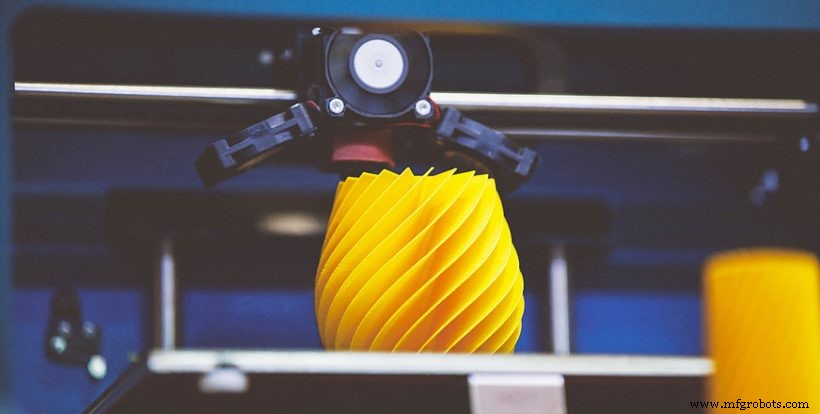
FDM 3D Printing: ASA, PETG, and PC Filaments Compared
Fused Filament Fabrication (FFF), widely known as FDM, continues to dominate the 3D printing landscape due to its affordability and versatility. The key to unlocking its full potential lies in selecting the right filament. This guide examines three of the most popular thermoplastics—ASA, PETG, and Polycarbonate (PC)—detailing their strengths, drawbacks, and ideal use cases.
ASA, PETG and PC Compared
| Material | Pros | Cons | Common Applications |
|---|---|---|---|
| ASA | High UV and chemical resistance, excellent mechanical properties, easy post‑processing | Requires high extrusion/bed temperatures, emits strong fumes, can be difficult to print | Outdoor housings, automotive parts, tooling, jigs, fixtures |
| PETG | Stronger than ABS, food‑safe, minimal warping, good layer adhesion | Hygroscopic, prone to stringing, can stick to the build plate, difficult to glue or paint | Food packaging, prosthetics, mechanical parts, packaging, medical device casings |
| PC | Exceptional strength, stiffness, heat resistance, optical clarity | Requires high temperatures, hygroscopic, challenging to print without warping or delamination | Injection moulds, intake manifolds, transparent components, high‑stress prototypes |
3D Printing with ASA
What is ASA?
Acrylonitrile Styrene Acrylate (ASA) is a thermoplastic engineered for outdoor durability. Its formulation gives it ten times the UV resistance of ABS, making it ideal for long‑term exposure to sunlight.
Why Print with ASA?
- Mechanical resilience: High impact and temperature tolerance for long‑lasting parts.
- UV stability: Retains properties under direct sunlight.
- Chemical resistance: Withstands oils, acids, bases, and many industrial solvents.
- Easy post‑processing: Smooths with acetone, sands, paints, or mills without damage.
Limitations
- High extrusion (230‑250 °C) and bed (95‑110 °C) temperatures.
- Susceptible to warping if temperatures are mis‑set.
- Produces strong fumes; ventilation or an enclosure is essential.
Applications
- Outdoor housings, garden equipment, automotive prototypes (bumper covers, grilles).
- Tooling such as ergonomic handles, fixtures, and dunnage.
Printing Tips
- Follow manufacturer’s temperature range; test first layers at the higher end, then reduce by 5 °C.
- Use Kapton tape or ABS slurry for bed adhesion to prevent warping.
- Minimise fan speed (10‑25 %) to avoid rapid cooling and cracking.
- Post‑print smoothing: a brief acetone bath removes layer lines and prepares the surface for painting.
3D Printing with PETG
What is PETG?
Polyethylene Terephthalate Glycol (PETG) blends the strength of ABS with the ease of PLA. It is clear, impact‑resistant, and widely used in food‑grade applications.
Why Use PETG?
- Superior to ABS in durability and layer adhesion.
- Low warping and shrinkage due to stable temperature behaviour.
- Often food‑safe—confirm with the filament spec sheet.
Limitations
- Hygroscopic: store in a dry environment to avoid moisture‑induced print failures.
- Stringing: increase retraction (1 mm for direct extruder, 2‑3 mm for Bowden) to reduce oozing.
- Adhesion: avoid glass or PEI; use glue stick or hairspray for a clean release.
- Glue and paint can be difficult due to surface chemistry.
Applications
- Food containers, water bottles, and FDA‑compliant packaging.
- Protective components, prosthetics, jigs, and mechanical parts that endure stress.
- Pharmaceutical and medical device packaging that requires sterilisation.
Printing Tips
- Extruder 220‑260 °C, bed 50‑75 °C.
- Start at 15 mm/s; adjust speed after finding optimal settings.
- Reduce fan speed if layers crack; less cooling improves bonding.
- Use a heat gun post‑print to remove stubborn strings.
3D Printing with Polycarbonate (PC)
What is Polycarbonate?
PC is the benchmark for engineering plastics in FDM, offering extreme stiffness, heat resistance, and optical clarity. Mastering PC yields parts that can replace metal in many applications.
Why Print with PC?
- High strength, stiffness, and temperature tolerance (up to 110 °C).
- Transparent optical quality comparable to glass.
- Excellent post‑processing via tumbling or chemical smoothing.
Limitations
- Hygroscopic—store in a dry box.
- High printing temperatures (250‑300 °C) can induce internal stress and warping.
Applications
- Injection moulds, low‑volume tooling, and functional prototypes.
- Intake manifolds and high‑temperature automotive parts.
- Transparent components such as lenses and display housings.
Printing Tips
- Extruder 250‑300 °C, bed 90‑150 °C; use a fully enclosed printer.
- Apply a thin layer of glue stick or use PEI sheets for bed adhesion.
- Turn off the cooling fan to reduce curling.
- Increase retraction (up to 10 mm) to minimise oozing, but avoid excessive distance.
Choosing the Right FDM Filament
Your selection hinges on the end‑use: ASA excels outdoors and for prototypes, PETG is ideal for durable, impact‑resistant parts and food‑grade applications, while PC is the choice for transparent, high‑strength engineering components. With proper settings and a controlled environment, these materials unlock a wide range of possibilities in both industrial and hobbyist settings.
Further Reading
- 5 Trends Shaping the 3D Printing Materials Market in 2019
- The Evolution of 3D Printing Materials Market: Trends and Opportunities in 2019
3D printing
- Agile Manufacturing & 3D Printing: A Guide to Rapid, Custom Production
- PLA Heat Resistance Explained: Comparing ABS, ASA, PETG and Other 3D Printing Materials
- Flammability of Common 3D Printing Filaments: PLA, ABS, PETG, TPU Explained
- ASA, PETG, and PC Filaments Compared: Performance, Durability, and Best Uses
- SLA vs. FDM: Comparing the Leading 3D Printing Technologies for Quality and Precision
- Understanding Filament Density and Length for Accurate 3D Printing
- Wood Filament Revolutionizes 3D Printing with Realistic Textures
- Understanding the Key Differences Between FDM and SLA 3D Printing Technologies
- Top 5 Innovative Filaments Transforming FDM 3D Printing
- Preventing and Fixing Adhesion Issues in FDM 3D Printing