



5 Proven Strategies to Drive Success with Additive Manufacturing
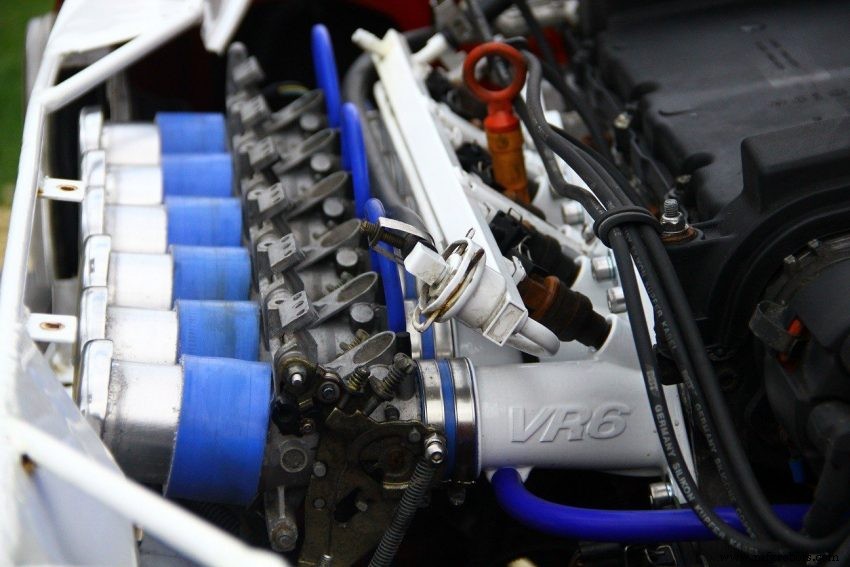
Adopting additive manufacturing (AM) can transform your production line, but execution matters. Below are five expert‑backed strategies to ensure a scalable, high‑quality AM rollout. According to a recent Jabil survey, over 55% of companies now use 3D printing to produce at least 25% of their functional or end‑use parts. Yet many firms hesitate to embrace the technology fully, often due to uncertainty around cost, skill gaps, or integration challenges. Before we dive into the practical steps, let’s first examine why AM is a game‑changer for production. The rapid adoption of 3D printing across industries demonstrates its versatile benefits for both small and large enterprises. AM delivers a cost‑effective solution for on‑demand production, enabling the creation of tooling and spare parts right where they’re needed and eliminating excess inventory. Read also: Why Should Companies Embrace Distributed Additive Manufacturing? 3D printing unlocks complex geometries—such as lattice structures—that are impossible to produce with conventional methods, opening new avenues for product innovation. Unlike traditional mass production, AM bypasses high tooling costs, allowing manufacturers to deliver customised parts in small batches quickly and affordably. Read also: 3D Printing and Mass Customisation: Where Are We Today? Despite the clear advantages, many small and medium‑sized businesses are reluctant to invest heavily in AM. The good news is that a successful journey begins with careful assessment and incremental integration rather than a wholesale overhaul. Below are five actionable tips to help you scale AM operations while mitigating risk. AM adoption is multi‑faceted. Steven Taylor of 3DGBIRE stresses that a robust skill set must include: AM technology knowledge, CAD proficiency, Design for Additive Manufacturing (DfAM), materials science, post‑processing, reverse engineering, and essential soft skills. John Barnes from The Global Barnes Advisors (TBGA) recommends a 4‑lens approach—Machines, Materials, Digital, People—to create a comprehensive implementation plan. Aligning digital workflows and upskilling staff are critical for long‑term success. Before investing in training or workflows, clarify what products you intend to produce with AM; this focus will guide subsequent decisions. Assess your product portfolio for parts that are low‑volume, highly customised, or complex enough that traditional manufacturing is cost‑prohibitive. For example, BRC Automotive partnered with 3T RPD to 3D‑print a custom inlet manifold for a VW VR6 12v engine, eliminating the need for injection moulding and enabling design features that were otherwise impossible. By focusing on such opportunities, you can quickly realize cost savings and design freedom. A centre of excellence (CoE) can centralise expertise and drive best practices across the organization. A CoE serves as the hub for AM strategy, skill development, and process optimisation. It should bring together production staff, engineers, and leadership to re‑think design, supply chain, and manufacturing workflows. Swagelok, a US manufacturer of high‑volume gas and fluid components, demonstrates how a cultural shift—coupled with a multi‑faceted AM strategy—can unlock new production capabilities, such as the steam‑traced ball valve. John Barnes reminds us that “people, not equipment, are the key resource in AM.” Building in‑house talent through training programmes—like those offered by Purdue University and TBGA—strengthens long‑term capability. Collaborations with academia provide access to cutting‑edge research, skilled talent, and shared financial resources. Proto Precision Manufacturing, a US metal‑fabrication firm, partnered with Ohio State University’s CDME in 2018 to accelerate its metal 3D‑printing capabilities, bypassing the high upfront cost of owning advanced printers. Such partnerships also support workforce development, addressing the persistent AM skills gap and ensuring a steady pipeline of qualified professionals. Achieving consistent quality in AM demands rigorous data collection and closed‑loop control. The three‑step cycle—simulation‑based planning, real‑time monitoring, and data‑driven optimisation—minimises build failures and ensures reproducibility. Bowman Additive Production’s adoption of specialised AM MES software exemplifies how digital integration streamlines order tracking, production, and post‑processing, enabling repeatable outcomes at scale. Without dedicated AM tools, process complexity rises, jeopardising quality and scalability. While initial investment can seem daunting, the long‑term ROI of AM—through reduced tooling costs, faster time‑to‑market, and enhanced product design—outweighs the upfront challenges. Brian Alexander of Solvay, a leader in high‑performance AM‑ready materials, notes: “To succeed with AM, you must align material, printer, process, and design. Otherwise, part performance and consistency will lag behind traditional manufacturing.” Identify the areas where AM delivers tangible value, prioritize suitable technologies, leverage educational resources, and anchor your strategy within a robust CoE. These steps will pave the way for a sustainable, scalable AM program that drives innovation and profitability.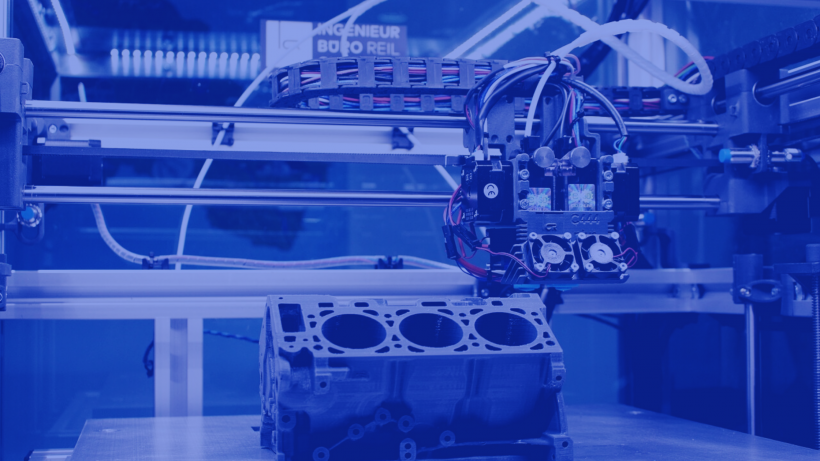
Why Adopt Industrial 3D Printing?
On‑Demand Manufacturing
Design Innovation
Mass Customisation
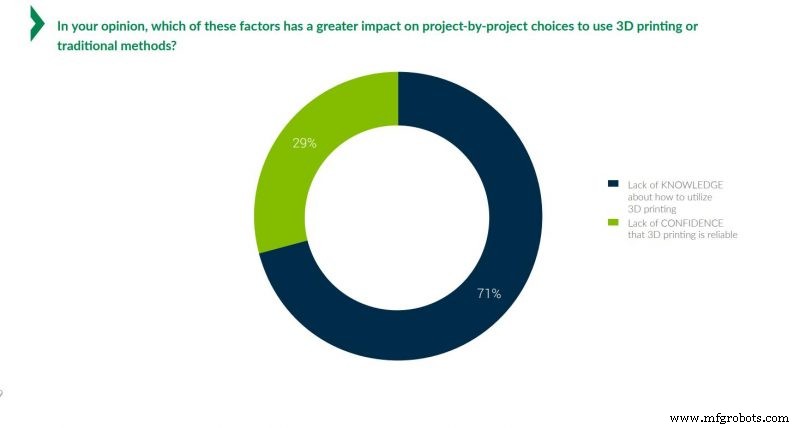
Many Companies Remain Hesitant
5 Ways to Succeed with Additive Manufacturing
#1 Develop AM Expertise Across Multiple Domains
#2 Identify Applications That Benefit Most From AM
#3 Establish a Centre of Excellence
#4 Partner with Universities and Research Institutions
#5 Focus on Repeatability and Process Simplification
Think Big, Start Small, Scale Fast
3D printing
- Liquid Additive Manufacturing: Crafting 3D Objects with Liquid Materials
- Additive Manufacturing Technologies Revolutionizes Post‑Processing with the First‑Ever Automated Machine
- Why Traceability is Critical for Additive Manufacturing Success
- Reverse Engineering Meets Additive Manufacturing: Accelerating Innovation Across Industries
- 8 Proven Workforce Development Strategies to Accelerate Manufacturing Growth
- Additive Manufacturing 101: A Beginner’s Guide to 3D Printing
- 10 Proven Strategies to Minimize Downtime in Manufacturing
- 5 Proven Strategies to Reduce Manufacturing Costs & Boost Profits
- Master Additive Manufacturing: 5 Essential Design Tips
- 7 Expert Strategies to Rapidly Pivot Your Manufacturing with Robotics