



Why Traceability is Critical for Additive Manufacturing Success
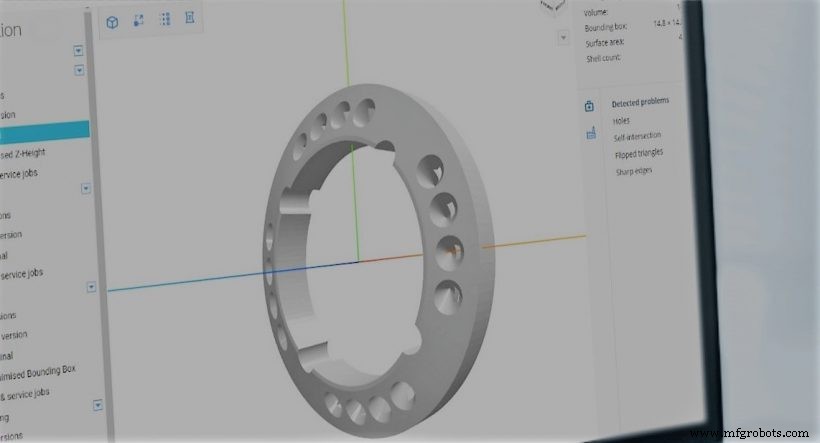
Traceability has become a pivotal requirement for additive manufacturing (AM) as OEMs and manufacturers increasingly adopt the technology. In regulated sectors such as aerospace and medical, compliance with stringent reporting and quality‑control standards demands full end‑to‑end visibility across the AM ecosystem.
Today, many organizations lack the integrated software infrastructure needed to capture and share data throughout the supply chain. Disconnected systems and siloed workflows stand in the way of broader AM adoption.
AM Automation Software: The Missing Link
Connecting 3‑D printers to intelligent software is the key to achieving comprehensive traceability. AM automation platforms harness analytics, real‑time reporting, and machine‑learning algorithms to generate actionable insights that drive process optimisation.
AM Automation Software (AMAS), such as RP Platform, embeds digital twins, data analytics, and predictive tools into every stage of production. By doing so, it unlocks the transparency that regulators and customers demand.
Why Traceability Matters in AM
Beyond preventing recalls or scandals, traceability enhances operational visibility and enables continuous improvement. Its importance grows as AM moves from niche to mainstream manufacturing, driven by:
- the need for robust quality assurance
- the demand for accurate production data
- customer expectations for accountability
AMAS delivers this visibility by tracking each phase of the build—from CAD ingestion to final part release—while automating data capture and reporting.
Benefits of End‑to‑End Traceability
- Complete Visibility – Log every step of the workflow, so defects can be traced back to their source. Integrated systems eliminate blind spots and streamline root‑cause analysis.
- Improved Quality Management – Data‑driven insights identify process variations, enabling teams to refine settings and achieve higher consistency.
- Transparent Production – Scheduling tools, digital inventory, and status dashboards keep every part moving through the correct stages, ensuring factory efficiency.
File Versioning: A Key to Full Traceability
AM teams routinely process thousands of STL files. File‑version control ensures that every iteration—whether a minor tweak or a major redesign—is automatically archived and linked to the build record.
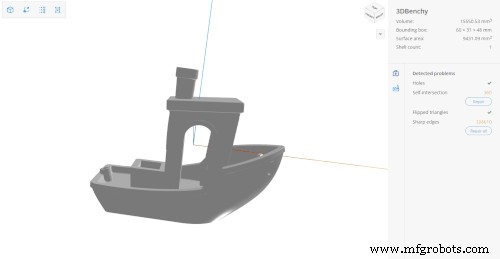
Our latest software release introduces an automated file‑versioning workflow that captures each change as files are analysed, repaired, and converted. This feature saves time, reduces manual renaming, and guarantees that the correct file version is used for every print.
The Case for AM Traceability
As Industry 4.0 reshapes manufacturing, digital solutions must enable manufacturers to monitor every stage of production and the wider supply chain. AM automation software is the critical component that turns data into actionable traceability, paving the way for AM to be recognised as a fully mature manufacturing process.
About RP Platform
RP Platform delivers AM Automation Software that connects, monitors, and optimises every element of the additive manufacturing ecosystem. By empowering companies across sectors, we unlock higher efficiency, productivity, and confidence in AM outputs.
3D printing
- Additive vs Subtractive Manufacturing: How They Differ & Why 3D Printing Is Growing
- Why Companies Should Embrace Distributed Additive Manufacturing: A Path to Agility, Sustainability, and Profitability
- Additive Manufacturing Workflow Survey: Share Your Insights
- 8 Key Challenges Additive Manufacturing Must Overcome for Mass Production
- 5 Proven Strategies to Drive Success with Additive Manufacturing
- Additive Manufacturing Explained: From Design to Finished Part
- Transforming Electronics Production with Additive Manufacturing
- Additive Manufacturing: Driving Innovation and Cost Efficiency in Aerospace
- Innovative Applications of Additive Manufacturing: Transforming High-Tech Industries
- Additive vs. Subtractive Manufacturing: Unlocking the Future of Production