



Wood Filament Revolutionizes 3D Printing with Realistic Textures
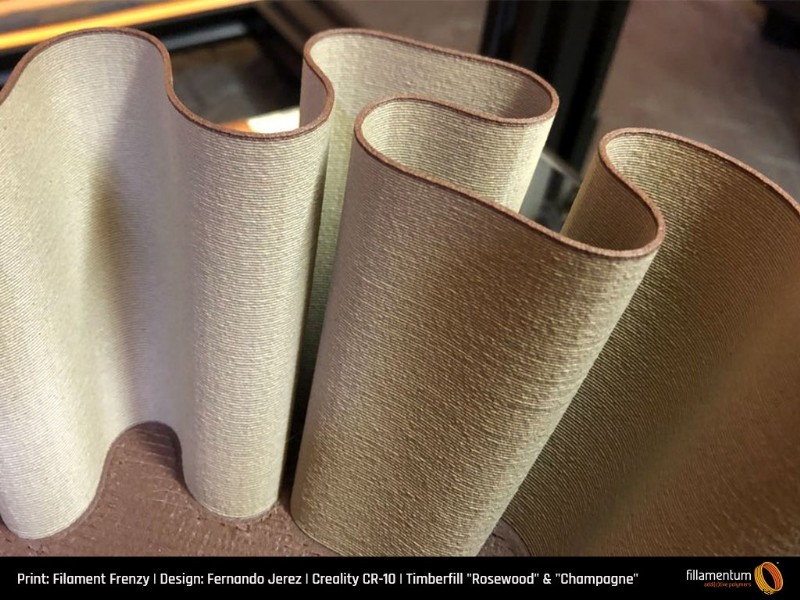
Image 1: Piece printed with wood filament. Source: Fillamentum.
In 2012 the world of 3D printing receives a new material from the hand of the German manufacturer Kai Parthy, had developed the wood filament LayWoo-D3, the first filament with real wood look. This filament contains 40 % recycled wood and the remaining binding polymers. Its use is similar to the PLA with the peculiarity that the LayWoo-D3 changes color depending on the temperature of printing, at 180 ºC it has a light color and at 245 ºC it has a darker color. Apart from having as much percentage of wood can be cut, sanded or even painted very easily which makes this material ideal for 3D prints of models or figures that need to have the look, feel and even the smell of wood.
Currently, there are various materials for 3D FDM printing with wood fibres, such as the Timberfill range of filaments from the Czech manufacturer Fillamentum, or the Easywood family of filaments from the manufacturer Formfutura. All of them have a high percentage of wood fibres in their composition, and the bonding polymer that binds these fibres is PLA (polylactic acid).
The use of PLA as a binding polymer, gives these filaments the ease of printing of this material; one of the most used in 3D FDM printing due to its simplicity, its good properties, and that does not require hot bed, so it can be printed on almost any 3D FDM printer on the market.
In addition, PLA is a Biodegradable Biopolymer obtained from natural resources; specifically, it is obtained from starch extracted from corn, beet and wheat.
Since wood filaments appeared on the market, they have been one of the most sought-after materials in 3D FDM printing because of their texture and finish, similar to real wood. For this reason, filament manufacturers such as Formfutura have developed new ranges of filaments that, thanks to their composition, simulate different materials such as cork, granite or terracotta.
An example of this would be EasyCork. EasyCork is a filament based on PLA and cork particles, which give this material some of its most recognisable properties: low density, high impact resistance and a finish similar to cork.
Another option offered by Formfutura is the StoneFil family of filaments, which are based on PLA and stone particles and are available in different finishes such as granite, clay or terracotta. As with the cork filament, the stone particles give this material some characteristic properties, such as its rough texture or its high density.
The use of these filaments is similar to PLA, with the peculiarity that they change colour depending on the printing temperature.
When printing at a lower temperature, the material has a lighter colour; while when the temperature rises, darker tones are achieved. This characteristic grain in materials such as wood provides a very striking finish in all the above-mentioned filaments; even in the stone filament.
With the progress of technology and the ambition to evolve, the tendency is to design and manufacture elements previously imaginable, both because of the lack of tools and because of the high cost it would entail. A craftsman can make a myriad of pieces of different shape, but always limited by the tools and investing many hours of work. An architect or designer always needs to carry out their projects in the form of scale models, having to invest a lot of time in making them by hand.
3D printing technology (FFF/FDM) combined with wood, cork or stone filaments, allows you to create any piece, regardless of shape (scale models, decorative elements, props, etc.), with times of manufacture, much lower costs than before and with a truthful finish. Such is the jump to this trend that there are already companies and projects supported by government agencies to manufacture furniture and structural elements to real size.
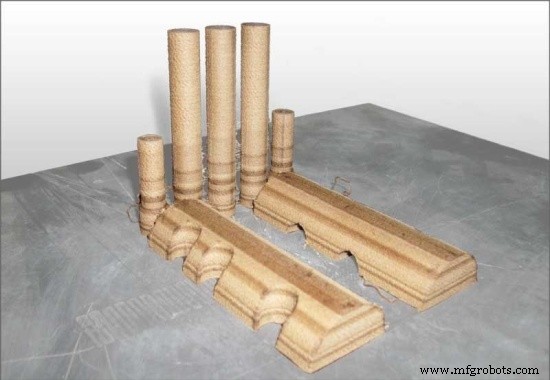
Image 2: LayWoo-D3. Source: 3ders.org
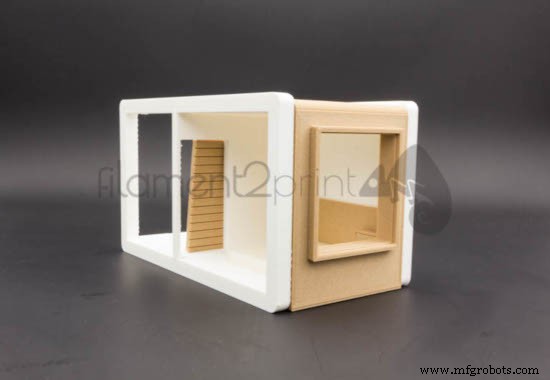
Image 3: Prototype of a modular prefabricated house
In response to all the aforementioned lawsuits, many manufacturers have wood filaments in their catalog, among which the Fillamentum brand, a well known in the industry for filaments with a spectacular appearance such as the PLA "Vertigo Grey", which has four models of different shades: Timberfill Light Wood Tone, Timberfill "Rosewood", Timberfill "Champagne" and Timberfill "Cinnamon".
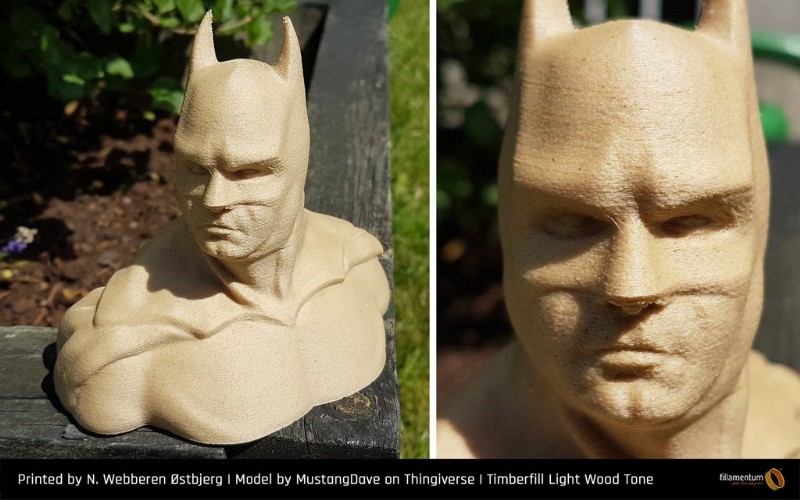
Image 4: Timberfill Light Wood Tone. Source: Fillamentum.com
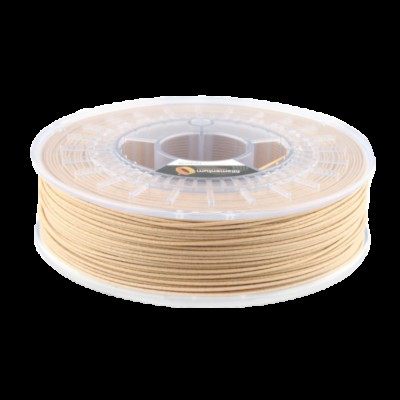 Timberfill Light Wood
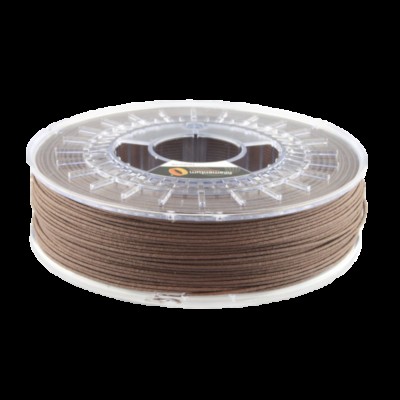 Timberfill Rosewood
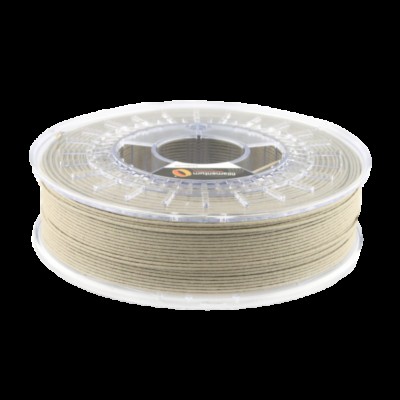 Timberfill Champagne
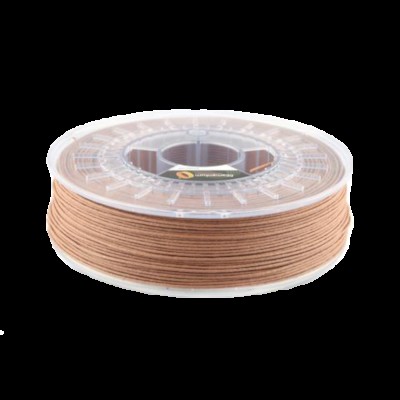 Timberfill Cinnamon
Formfutura's catalogue includes up to 7 wood filaments within the EasyWood family: olive, birch, cedar, coconut, ebony, pine and willow. Each of these filaments has a different shade.
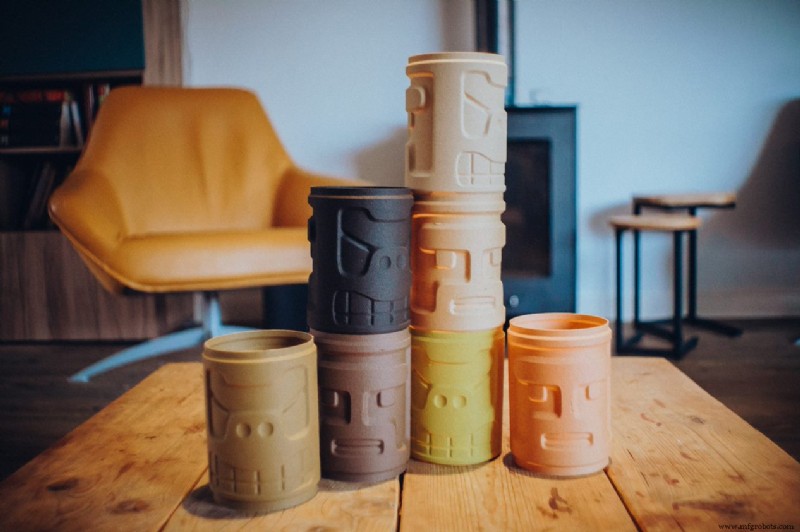
Image 5: EasyWood wood filaments. Source: Formfutura.
In addition to the wood filaments, Formfutura uses cork filaments and filaments with stone particles. These last, under the name Stonefil, include 4 different stone shades: Cement, granite, clay and terracotta.
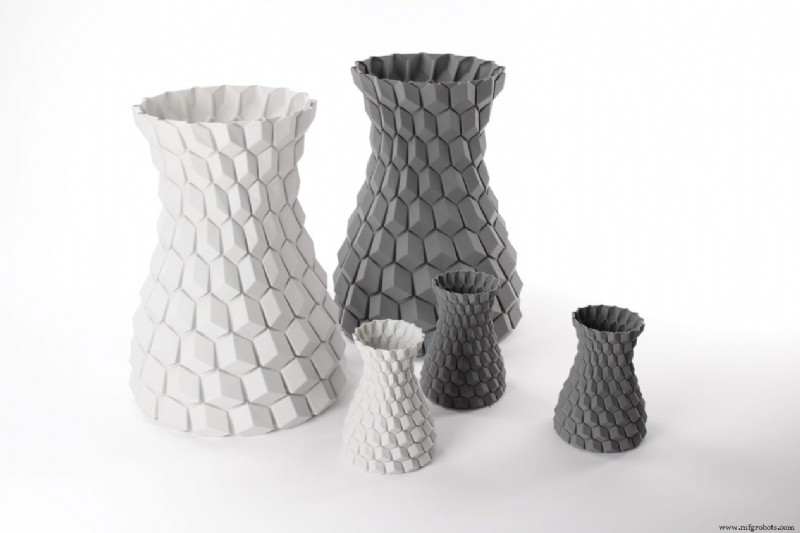
Image 6: Stonefil filaments. Source: Formfutura.
Once again thanks to FFF/FDM technology and wood, cork or stone filaments, all users of 3D printers can realize their ideas quickly, economically and independently with a realistic finish on all their pieces.
3D printing
- How 3D Printing Drives Innovation in Formula One – 5 Key Trends
- FDM 3D Printing: ASA, PETG, and PC Filaments Compared – Expert Guide to Performance & Applications
- Agile Manufacturing & 3D Printing: A Guide to Rapid, Custom Production
- Master 3D Printing with Wood Filament: Techniques & Benefits
- Choosing the Right Wood Finishes: Protect, Polish, and Enhance Your Wood Surfaces
- Understanding Filament Density and Length for Accurate 3D Printing
- PAEK Filaments: High-Performance Materials for 3D Printing
- Mastering Accuracy, Precision, and Tolerance in 3D Printing
- Comparing Metal Filaments: Filamet vs Ultrafuse – Features, Performance, and Use Cases
- Exploring PLA Finishes: Matte, Glossy, and Silk for FDM 3D Printing