



4 Ways 3D Printing Accelerates Maintenance, Repair & Overhaul Operations
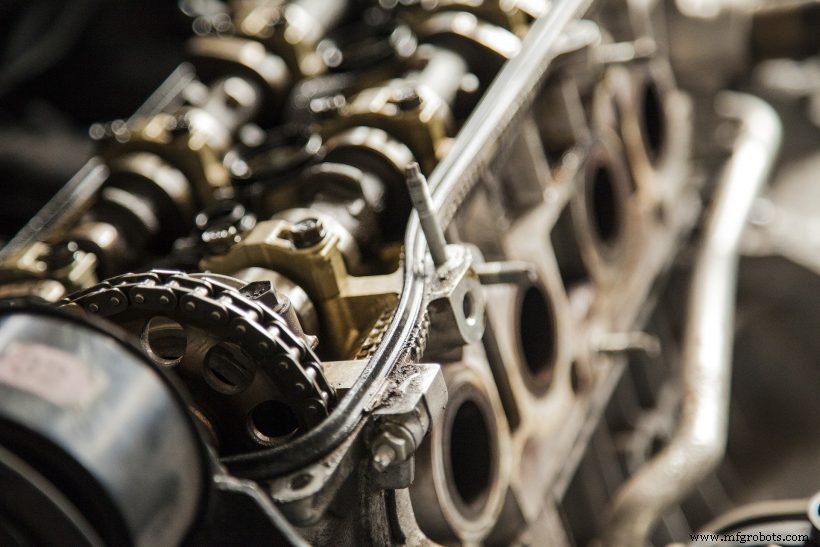
Faster turnaround, on‑demand production, and greater flexibility – 3D printing delivers tangible benefits to Maintenance, Repair & Overhaul (MRO) teams across aerospace, rail, oil & gas, and automotive sectors.
In this article we examine how additive manufacturing is reshaping MRO workflows, backed by real‑world case studies.
1. 3D Printing Brings Assets Back Online Faster
Maintenance teams are under constant pressure to reduce unplanned downtime and improve Overall Equipment Effectiveness (OEE). 3D printing addresses this by enabling rapid, cost‑effective production of replacement parts and repair fixtures, often with turnaround times measured in hours rather than weeks.
For manufacturers, faster spare‑part availability translates into higher machine uptime and fewer production disruptions. For end users, it means shorter repair windows for vehicles and appliances.
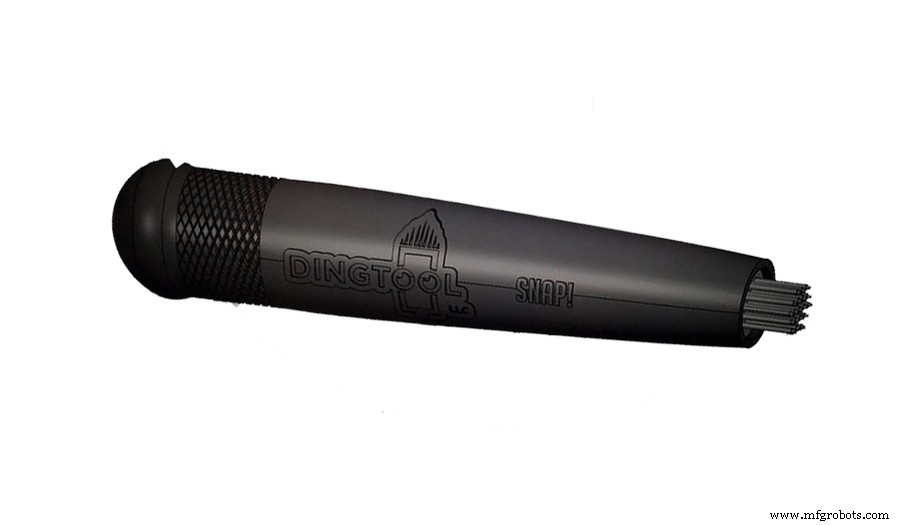
For example, Ding Tool LLC, a specialist in paintless dent repair, partnered with B9Creations to develop a 3‑D‑printed dent tool that offers up to 19 contact points and adjustable spring force. The new tool delivers 20‑30 % faster repair times, allowing customers to get their cars back on the road sooner.
2. 3D Printing Extends the Life of Aging Assets
Many industrial assets, such as trains, aircraft, and offshore rigs, operate for several decades. When a component becomes obsolete or unavailable, downtime can cost thousands of euros per day.
In the rail sector, a single out‑of‑service part can cost a U.S. commuter rail operator €18 000 per day. 3D printing offers a digital workflow that eliminates the need for costly molds and can reduce manufacturing time by up to 95 % for obsolete parts.
Case Study: Deutsche Bahn’s 3D‑Printed Wheelset Bearing Cover
Deutsche Bahn identified over 100 MRO use cases for additive manufacturing. One key example is a wheelset bearing cover for a Class 294 locomotive built in the 1960s–70s, a part no longer available from the original manufacturer.
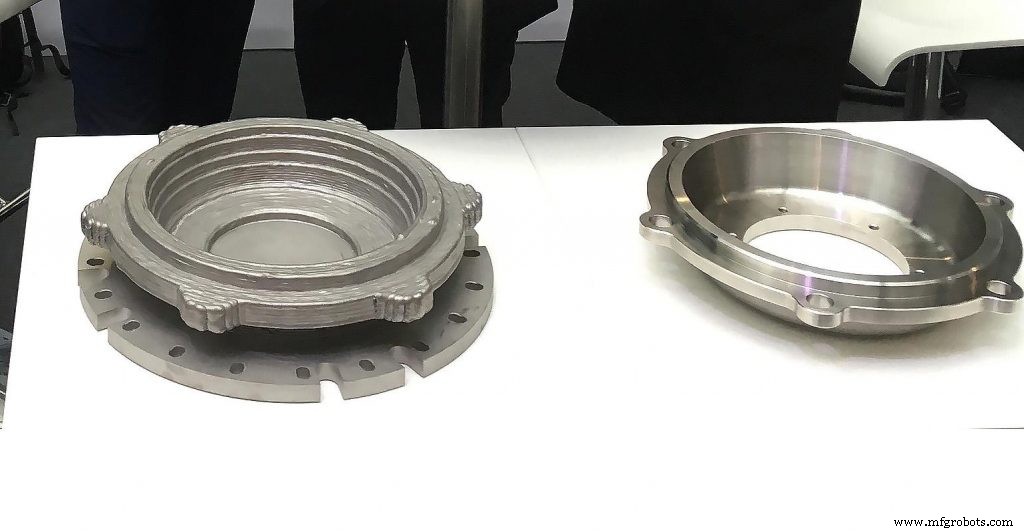
The company used Wire‑Arc Additive Manufacturing (WAAM) to print a 13 kg cover in just 7 hours, cutting production time and costs dramatically and bringing the train back into service without a lengthy downtime.
Repairing Components on‑Site with Direct Energy Deposition
In aerospace, shipbuilding, and heavy industry, Direct Energy Deposition (DED) is increasingly used to remanufacture damaged parts back to their original geometry. A UK consortium’s £1.2 million DigiTool project demonstrates how 3D printing can repair tools and dies at a fraction of the cost of replacement.
3. 3D Printing Enables Flexible MRO Inventory Management
Traditional spare‑part inventories can cost thousands of dollars annually. 3D printing replaces physical stock with a digital catalogue that can be stored locally or in the cloud, ready for on‑demand production anywhere in the world.
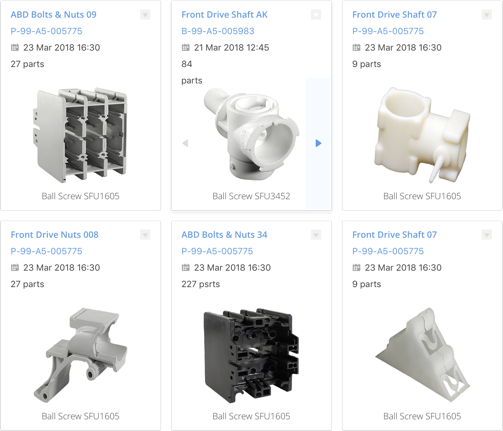
Digital inventories reduce storage costs, eliminate waste, and shorten delivery times, giving maintenance teams the agility to respond quickly to unexpected failures.
4. 3D Printing Strengthens the MRO Supply Chain
The MRO supply base is fragmented, with many parts having long lead times. 3D printing brings production closer to the point of use, cutting both lead time and logistics costs.
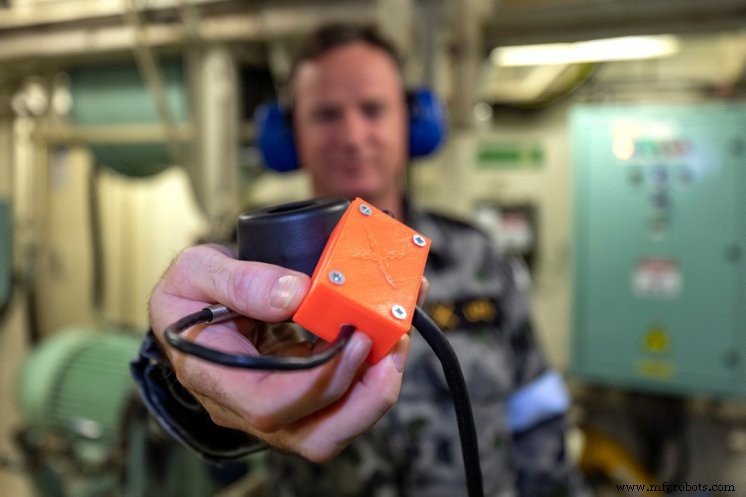
Royal Australian Navy sailors on HMAS Parramatta and the U.S. Navy’s USS George H.W. Bush (CVN 77) have each demonstrated on‑board 3D printing to fabricate critical parts, ensuring mission readiness without waiting for off‑site shipping.
Conclusion: 3D Printing Drives MRO Agility and Responsiveness
By cutting downtime, extending asset life, and digitising inventory, additive manufacturing is becoming a cornerstone of modern MRO operations. As the technology matures, its adoption will only grow, empowering maintenance teams to operate with unprecedented speed and flexibility.
3D printing
- How 3D Printing Transforms Jigs & Fixtures: 6 Proven Ways to Boost Production Efficiency
- Industrial 3D Printing: Eight Ways It Revolutionizes Manufacturing
- Agile Manufacturing & 3D Printing: A Guide to Rapid, Custom Production
- How 3D Printing Is Revolutionizing Manufacturing: 3 Key Transformations
- Maximizing Machinery Longevity: Professional Heavy Equipment Repair & Maintenance Guide
- How AI and IoT Transform Manufacturing: 3 Proven Strategies
- Why Regular Maintenance is Essential for Heavy Machinery
- Comprehensive Guide to Torque Limiter Maintenance, Repair, and Replacement
- EMG Thruster Maintenance & Repair Services: Fast, Reliable Solutions
- How to Correctly Use, Repair, and Maintain Precision Measuring Tools