



How 3D Printing Is Revolutionizing Manufacturing: 3 Key Transformations
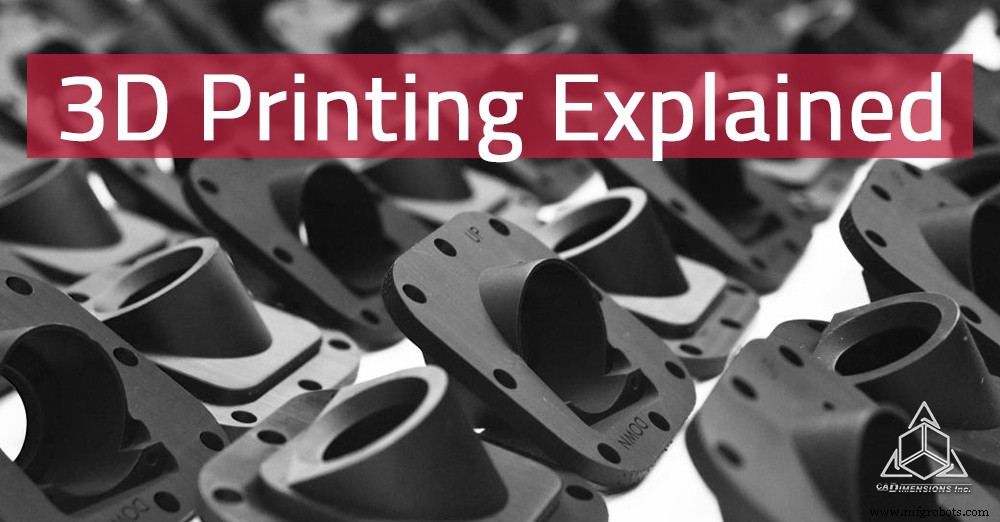
3D printing is transforming manufacturing by delivering cost‑effective, rapid prototyping and production. Here are three pivotal ways this technology is reshaping the industry.
3D Printing Explained
3D printers convert a computer-aided design into a tangible object. The process starts with CAD software, connects to the printer, and the machine builds layer by layer.
Software slices the CAD file into programmable layers, then layers of heated plastic or resin are deposited. Though the underlying mechanics are sophisticated, commercial printers feature user‑friendly interfaces and intuitive software.
Initially a hobbyist playground, 3D printing has evolved into a critical tool for professional prototyping and manufacturing.
The State of the Manufacturing Industry
According to Nam, the U.S. manufacturing sector was valued at roughly $2.3 B in 2018 and represented about 11 % of the national output.
The 2020 pandemic reduced production and employment, but a gradual recovery is underway. Manufacturers are adopting new systems to build resilience and drive innovation.
Today, 3D printers are integral in automotive, machinery, aviation, medical, and small‑scale production sectors.
How 3D Printing Is Changing Manufacturing
Significant change unfolds incrementally— the same pattern holds for 3D printing’s impact on manufacturing.
1. More Flexible Design and Output
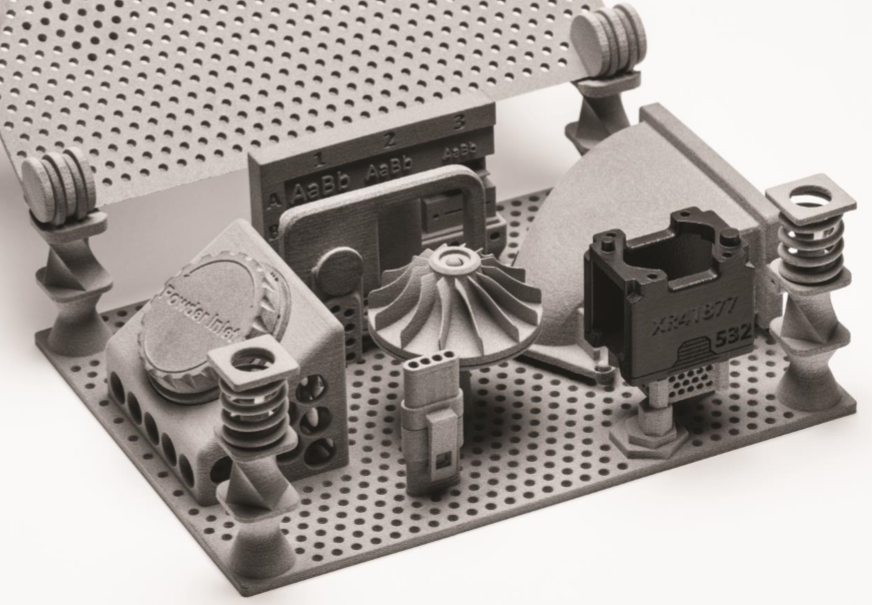
Customization of low‑volume parts is now economically viable. Rather than investing in costly molds, many manufacturers replace aluminum parts with durable, 3D‑printed alternatives.
Demand for individualized products drives adoption, as 3D printers excel in design flexibility and rapid output.
2. Custom Tools on the Assembly Line
3D printing cuts lead times for manufacturing tools. Machine shops often face capacity constraints, making timely tool availability a challenge.
On‑demand 3D‑printed tools enhance throughput, reduce assembly errors, and lower workplace injury risks.
3. Rapid Prototyping
Rapid prototyping shortens time‑to‑market. Instead of months for a custom build, a 3D printer can deliver a lightweight prototype in days for form, fit, and function testing.
Advanced materials—flexible, electro‑static dissipative, non‑marring, or carbon‑fiber‑impregnated—enable prototypes with properties previously too costly or unavailable.
Getting Your Prototype 3D Printed
Choosing between in‑house printing and outsourcing depends on resources and expertise. Outsourcing often reduces overhead and grants access to specialized talent.
Our engineering team can produce your prototype, or we’ll guide you in selecting the right solution.
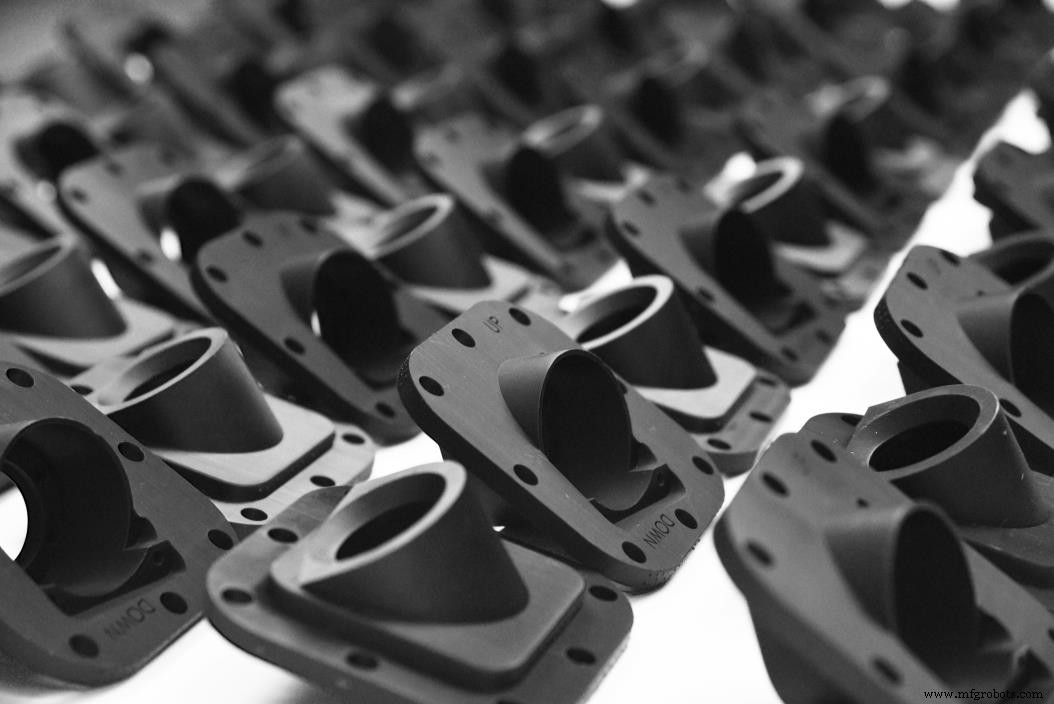
Get Your Parts 3D Printed
Use Our Instant Quoting Tool
Instant QuoteTags: 3D Printing
3D printing
- 5 Key Advantages of 3D Printing for Modern Manufacturing
- How 3D Printing Is Revolutionizing the Medical Field: 4 Key Applications & Future Trends
- Industrial 3D Printing: Eight Ways It Revolutionizes Manufacturing
- How 3D Printing Reduces Manufacturing Costs: 6 Proven Strategies
- How 3D Printing Enhances Traditional Manufacturing: Five Proven Applications
- Agile Manufacturing & 3D Printing: A Guide to Rapid, Custom Production
- How 3D Printing Accelerates Agile Manufacturing: 3 Key Benefits
- 3D Printing: The Future of Manufacturing and Medicine
- 5 Proven Ways 3D Printing Is Transforming Automotive Design & Production
- Additive Manufacturing vs 3D Printing: Understanding the Difference