



Assessing the Sustainability of Industrial 3D Printing
3D printing is often celebrated as a catalyst for smart, sustainable manufacturing. Yet, its true environmental footprint remains debated. In this article, we unpack the facts and myths surrounding the green credentials of additive manufacturing.
Why 3D Printing Is Considered a Sustainable Manufacturing Tool
Businesses worldwide are pursuing sustainable manufacturing—processes that cut energy use and waste. 3D printing is frequently highlighted for two core advantages: it unlocks design efficiency and minimizes material waste.
Design Efficiency Through Additive Manufacturing
3D printing empowers engineers to experiment with topology optimization, producing lighter, stronger parts. Topology optimization algorithms reshape a design to reduce weight while preserving performance. Lighter components translate directly into fuel savings and lower CO₂ emissions.
In a Northwestern University study, a 65% weight reduction (from 1.09 kg to 0.38 kg) was achieved on an aircraft bracket using topology‑optimized 3D‑printed parts. Extrapolating this approach across an entire fleet could cut overall aircraft weight by 4–7% and fuel consumption by up to 6.4%.
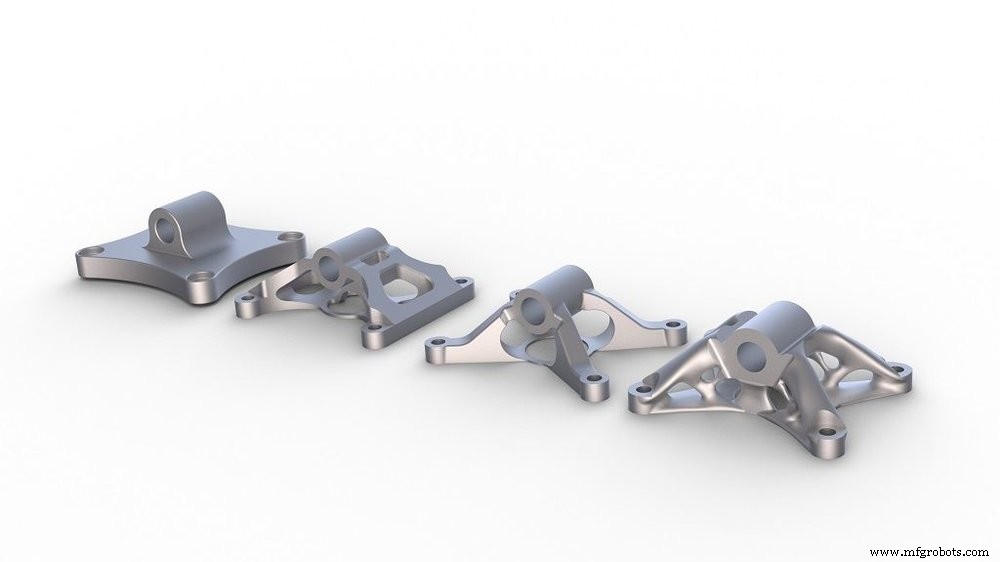
Part consolidation—replacing multiple components with a single printed piece—further drives sustainability. General Electric’s Catalyst engine reduced a 855‑part assembly to just 12 titanium parts, cutting weight by 5% and improving brake‑specific fuel consumption by 1%. Given GE’s global aviation footprint, the cumulative emissions savings are substantial.
Resource Waste: 3D Printing vs. Traditional Methods
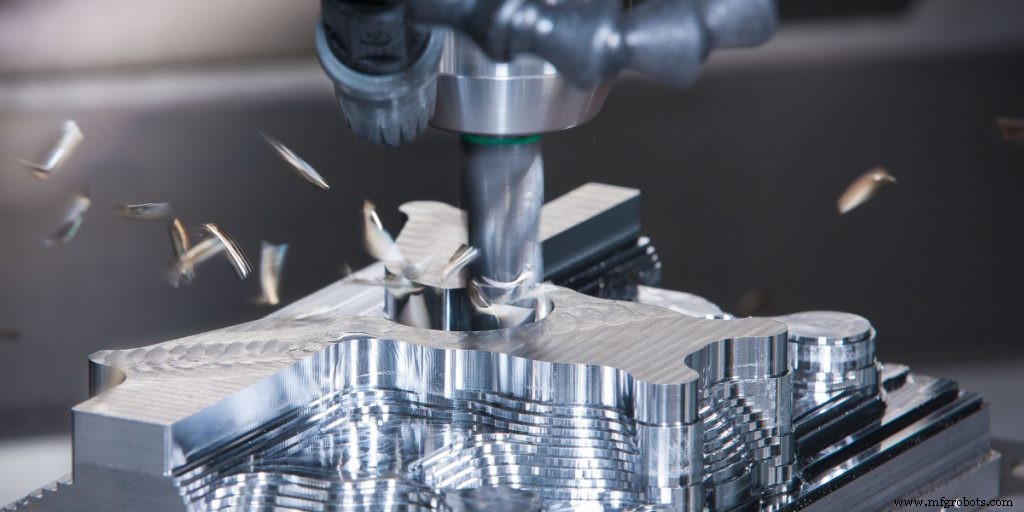
The comparative waste profile depends on the baseline technology. Compared with CNC machining, which discards up to 50% of raw material, additive manufacturing uses only the material that forms the part. This intrinsic material efficiency makes 3D printing an attractive alternative for low‑volume, complex parts.
Injection moulding, while low‑waste at scale, becomes resource‑intensive for small runs due to tooling costs and surplus inventory. 3D printing sidesteps tooling altogether, allowing precise on‑demand production and eliminating excess stock.
Waste Streams in Additive Manufacturing
Even though additive processes are more material‑efficient, they generate two primary waste streams: support material removal and failed builds.
Support structures, necessary for overhangs, can contribute 10% of waste in metal powder bed fusion (PBF). Optimised design can reduce this to around 2%. Post‑processing of metal parts, especially from low‑resolution processes like wire‑based Direct Energy Deposition, can produce substantial scrap.

Failed prints—often due to inadequate design for AM—represent another significant waste source. Advanced simulation tools now enable engineers to predict and mitigate these failures before printing, dramatically reducing scrap rates.
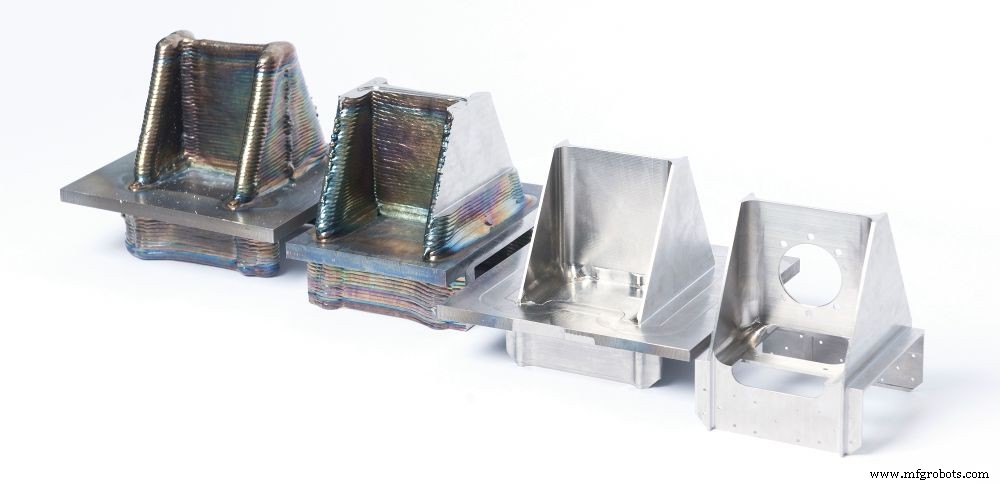
When support structures are optimised and simulation‑driven design is employed, the path to a near‑wasteless 3D printing process becomes realistic.
Recycling and Reuse of 3D Printing Materials
Recyclability is a pivotal sustainability factor, especially for metal AM where powder costs are high. In powder bed fusion, unused powder can be sieved and blended with fresh material without compromising mechanical properties. Many manufacturers now incorporate on‑site sieving solutions as a standard practice.
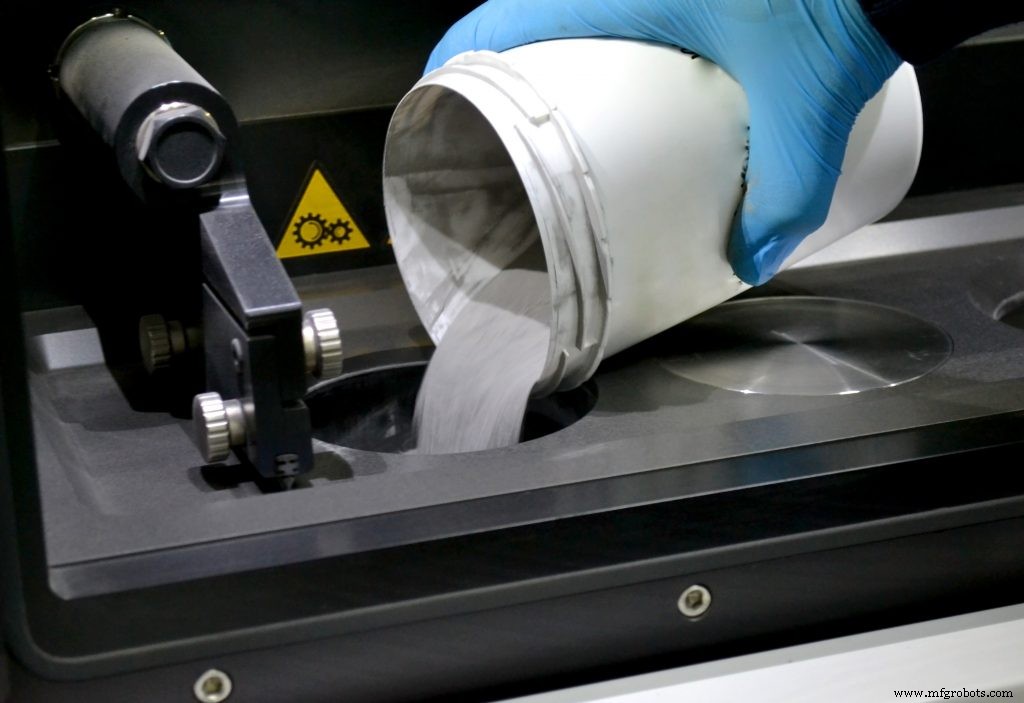
Beyond powder recycling, innovative companies are converting machining scrap into high‑quality AM feedstock. 6K’s UniMelt process mechanically grinds turnings and rejected AM parts into fine particles, then plasma‑synthesises them into reusable metal powders, edging the industry closer to a fully circular material loop.
Thermoplastic Recycling
Polymer filament manufacturers—such as GreenGate3D, Filamentive, NefilaTek, Refil and RePlay 3D—produce fully or partially recycled filaments from post‑consumer plastics. For instance, 30,000 PET bottles were repurposed into filament to build a public pavilion in Dubai, demonstrating how waste can become a design asset.

Resin and SLS Material Challenges
Resin‑based processes (SLA, DLP) produce non‑recyclable cured material; once polymerised, it cannot be re‑used. Consequently, support waste and failed prints become permanent loss.
Selective Laser Sintering (SLS) powder reusability is limited because prolonged heat exposure alters polymer chemistry. Typical practice mixes 50% used powder with virgin powder for subsequent builds. High‑performance powders like PEEK see negligible reusability.
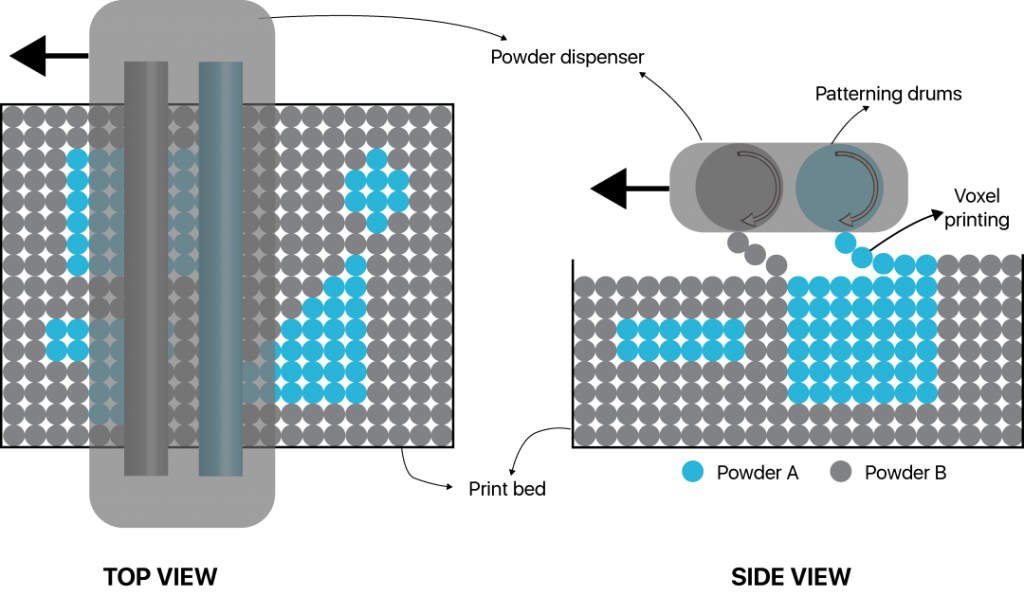
Emerging solutions, such as Aerosint’s multi‑powder deposition SLS, aim to decouple support and part materials, potentially enhancing sustainability once commercialised.
Energy Footprint of 3D Printing
Energy consumption directly impacts CO₂ emissions. While metal AM generally consumes more energy than CNC machining during the manufacturing phase—especially laser PBF—overall lifecycle analysis shows additive manufacturing can be more energy‑efficient when factoring in reduced waste, higher part performance, and lower inventory costs.
Digital Alloys compared laser PBF, Electron Beam Melting (EBM), and DED to CNC machining and found that machining’s energy use per kilogram of finished part was the highest, largely due to waste heat and material loss.
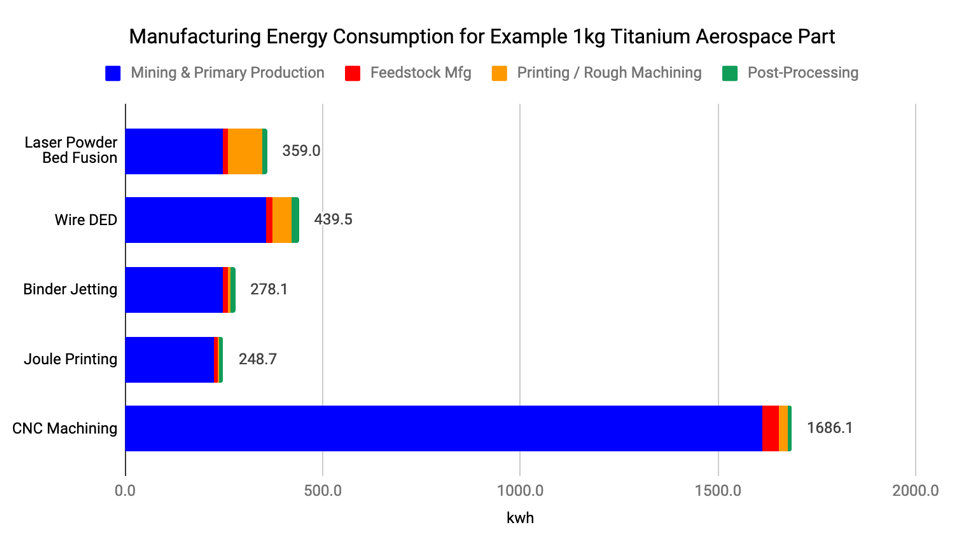
However, experts such as Timothy Gutowski of MIT’s Environmentally Benign Manufacturing group caution that additive processes can be up to seven orders of magnitude more energy‑intensive than high‑volume conventional manufacturing. The key lies in matching the right application to the right technology and optimising design to offset energy costs.
Moving Toward a Sustainable Future with Additive Manufacturing
No single AM technology is universally green; each has trade‑offs between material recyclability and energy use. Nevertheless, additive manufacturing consistently outperforms subtractive methods in material utilisation and opens avenues for lightweight, high‑performance designs that reduce fuel consumption and inventory demands.
Our assessment concludes that while 3D printing is not a silver bullet, when applied judiciously—leveraging advanced design, simulation, and recycling practices—it can become a powerful driver of sustainable manufacturing.
3D printing
- Industrial 3D Printing: Eight Ways It Revolutionizes Manufacturing
- How 3D Printing Revolutionized Aerospace: From Prototyping to On‑Board Parts
- How 3D Printing Drives Sustainable, Eco‑Friendly Manufacturing
- Understanding Offset Printing: A Comprehensive Guide
- How Quickly Can a 3D Printer Produce Parts? Understanding Print Speed Factors
- A Step-by-Step Guide to Launching Your 3D Printing Project
- Are 3D Printing Pens Safe? A Comprehensive Safety Guide
- FDM 3D Printing: Choosing Between Desktop and Industrial Solutions
- Beginner's Guide to 3D Printing: Start with Confidence
- Create a 3D Printing Profile: A Step-by-Step Guide to FDM Success