



How 3D Printing Revolutionized Aerospace: From Prototyping to On‑Board Parts

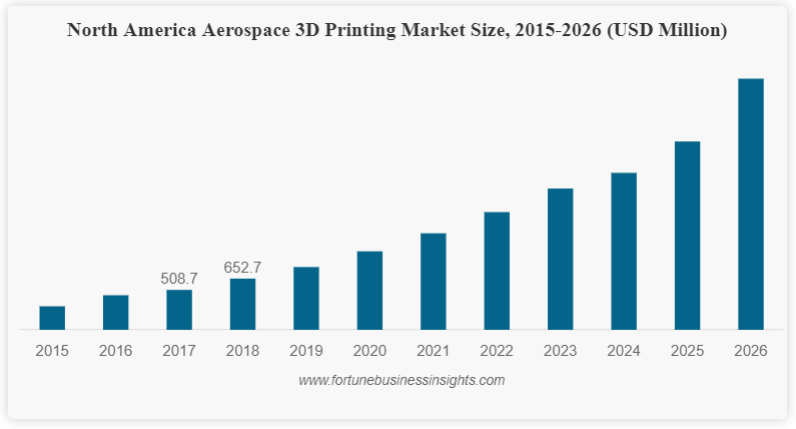
The Aerospace & Defense sector is one of the most lucrative markets for additive manufacturing. According to Fortune Business, the market was valued at $1.36 B in 2018 and is projected to reach $6.75 B by 2026. While most passengers may not notice it, 3D‑printed components are already shaping modern aircraft design, manufacturing, and maintenance.
FDM 3D printing fulfills three critical roles in aerospace.
- Prototyping & Concept Modeling – a 20‑year industry staple.
- Custom Quick‑Turn Tooling – slashing manufacturing costs.
- End‑Use Parts – now certified for flight, enabling rapid repair and weight reduction.
Prototyping & Concept Modeling with 3D Printing
Prototyping remains the most prevalent application of additive manufacturing in aerospace. Whether producing full‑size landing gear, intricate control‑board models, or full‑color mock‑ups, FDM and other 3D‑printing technologies deliver unmatched speed and cost efficiency. These savings translate directly into faster innovation cycles and reduced time‑to‑market.
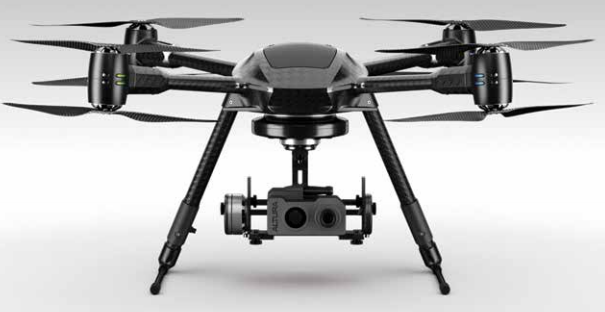
Netherlands‑based Aerialtronics leveraged FDM printing to accelerate their prototype development. The company reports a 5‑to‑10× increase in design iterations and a roughly 50% reduction in R&D time compared to conventional machining.
Jigs, Fixtures, & Layup Tooling
Although on‑board 3D‑printed parts are still emerging, tooling printed with advanced polymers has become a standard practice for over two decades. High‑performance materials such as ULTEM and Nylon‑12 carbon fiber enable the creation of rigid, heat‑resistant fixtures that support complex composite lay‑ups.
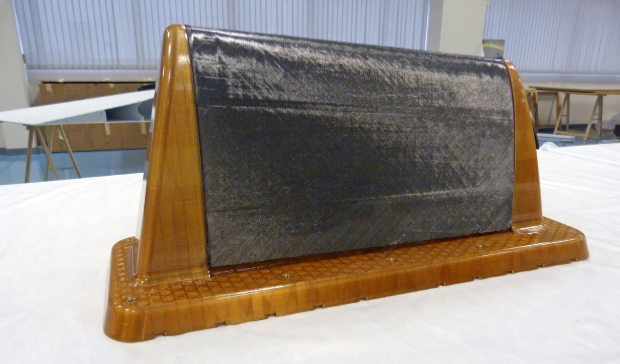
IDEC & Wehl, a leading carbon‑fiber supplier, cut lead times dramatically by producing 3D‑printed layup tools. Using a soluble core and ULTEM 1010, their tool withstood temperatures exceeding 180 °C during the carbon‑fiber printing process. The FDM build required only 60 hours, whereas traditional machining would have taken over four weeks and incurred substantially higher costs.
End‑Use Parts that Fly
The latest breakthrough is the FAA’s clearance of certain 3D‑printed components for in‑flight use. Industry leaders now produce parts that meet stringent aerospace standards, allowing manufacturers like Boeing and Airbus to replace traditional components with lighter, cost‑effective alternatives. Examples include air ducts, brackets, wall panels, and seat end caps.
For airlines, on‑demand printing eliminates the need for bulky spare‑part inventories, reducing both import/export taxes and fuel consumption associated with carrying extra weight. The result is a more agile maintenance workflow and a cleaner, greener fleet.
3D printing
- How 3D Printing is Revolutionizing Spare Parts Management – 2021 Update
- Assessing the Sustainability of Industrial 3D Printing
- How Quickly Can a 3D Printer Produce Parts? Understanding Print Speed Factors
- A Step-by-Step Guide to Launching Your 3D Printing Project
- Are 3D Printing Pens Safe? A Comprehensive Safety Guide
- Revolutionizing Spare Parts: The Impact of 3D Printing
- Elevate Your 3D Prints: Proven Techniques for Superior Surface Finish
- Beginner's Guide to 3D Printing: Start with Confidence
- Create a 3D Printing Profile: A Step-by-Step Guide to FDM Success
- Achieving High-Quality All-Metal Parts with 3D FDM Printing