



Why 3D‑Printed Synthetic Body Parts Are Revolutionizing Medical Device Development
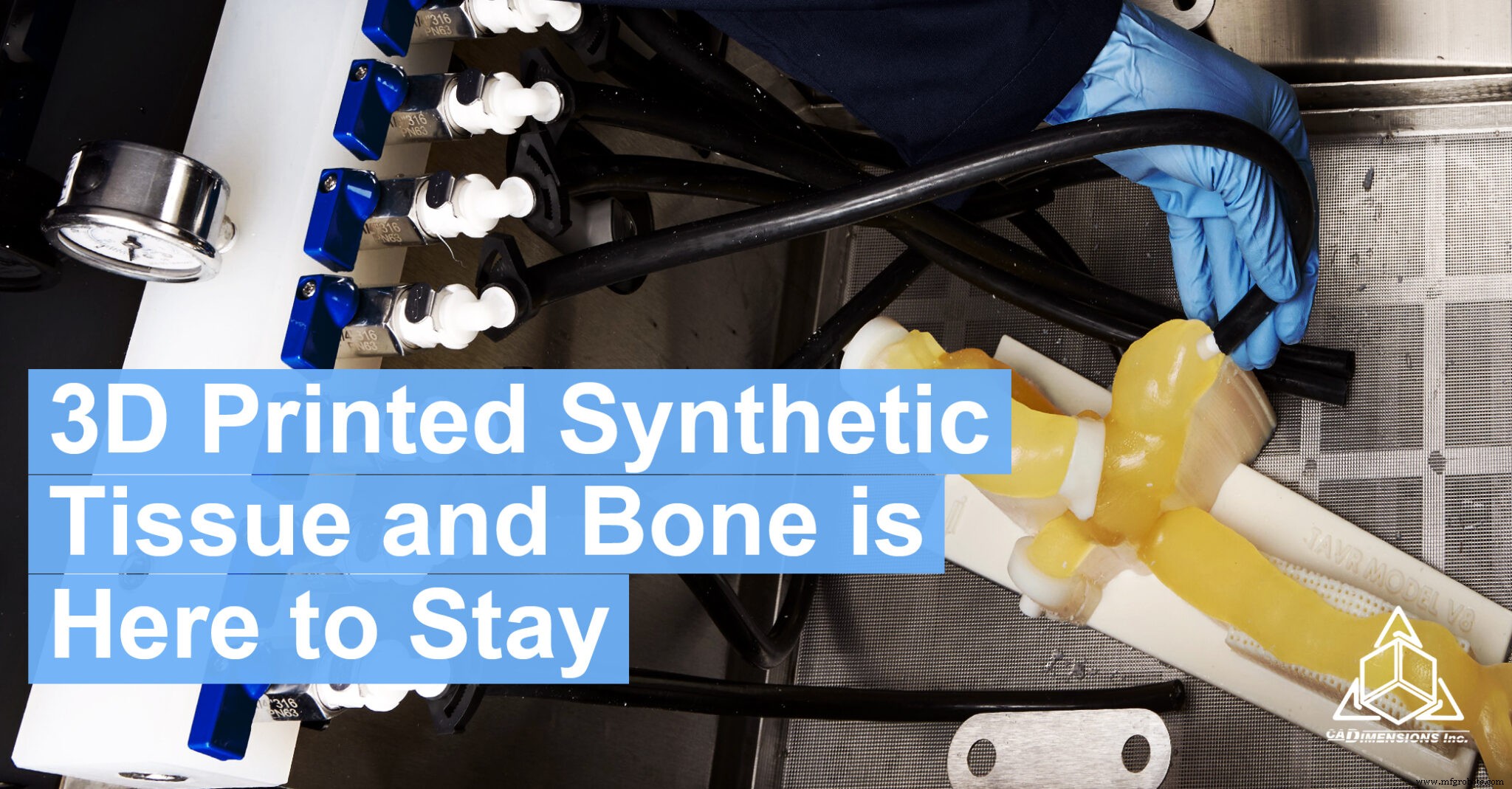
In the medical device sector, the fidelity of pre‑clinical testing is paramount. Traditionally, companies rely on cadaveric tissue to evaluate device performance, but this approach is limited by availability, ethical concerns, and inconsistent anatomy. Advances in additive manufacturing now allow manufacturers to produce highly accurate, reproducible synthetic tissues and bones that mimic the mechanical and biological properties of real human tissue.
Using 3D‑printed models provides a scalable, ethically sound alternative that enhances both device safety and market readiness. Below, we examine how these technologies are reshaping three critical areas of the industry.
1. Elevating Physician Training
Medical device firms differentiate themselves by offering robust training that empowers surgeons and clinicians. A recent survey of 200 physicians and 2,000 patients found that approximately 75% of doctors consider the tools they use a “key factor” in successful outcomes. High‑fidelity synthetic models enable hands‑on practice that closely mirrors real procedures, improving skill acquisition and confidence. This translates into higher customer satisfaction and stronger brand loyalty.
2. Rapid, Realistic Device Testing
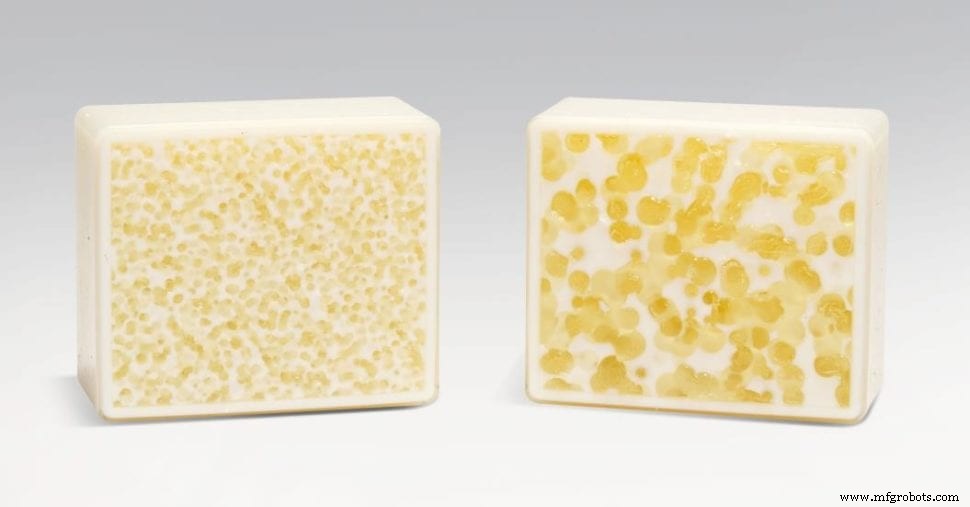
Product developers face questions such as “How will a screw thread into a bone?” or “What path will a needle take through tissue?” Traditional animal models provide a rough approximation but fall short of replicating human anatomy. 3D‑printed synthetic tissues offer precise, repeatable substrates that match the mechanical properties of bone and soft tissue, enabling faster, more accurate validation. According to a recent industry analysis, firms that first bring a product to market can secure patents and intellectual property protection, providing a competitive advantage for a finite period.
"…firms that are first to the market with a new product can benefit from patents and intellectual property protection, giving them a competitive advantage for a finite period."
Five Trends to Watch in the Medical Device Industry – Mercer Capital
3. Addressing Rare and Complex Conditions
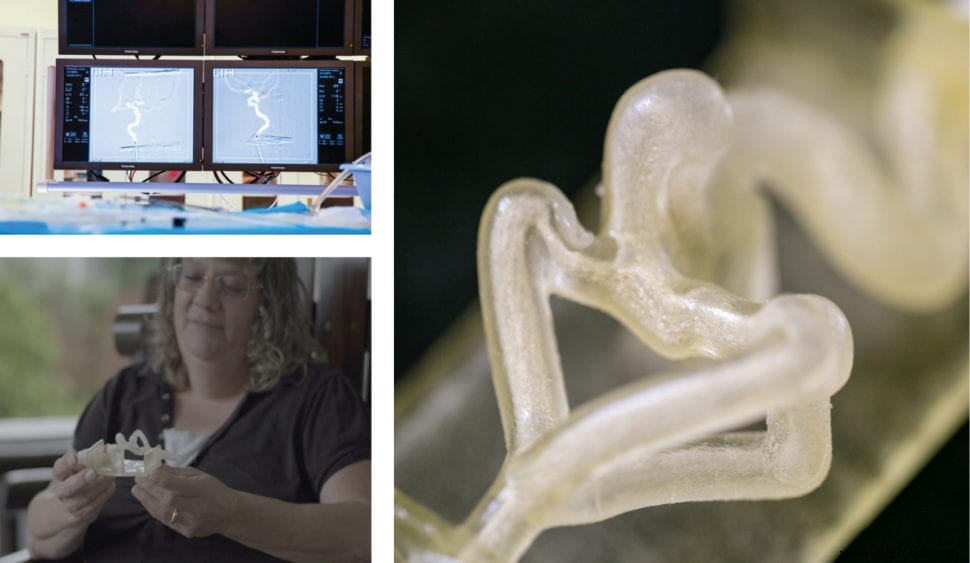
Rare diseases pose a unique challenge: cadavers with the exact pathology are scarce, delaying device validation. By reconstructing patient‑specific anatomy from MRI or CT data and printing it in high‑resolution materials, companies can create functional models of aneurysms, tumors, or congenital defects. These models respond like real tissue, allowing engineers to refine device geometry and test procedural steps in a realistic environment. For example, the Jacobs Institute used a PolyJet™ 3D‑printed aneurysm model to plan a life‑saving intervention for a patient with an atypical vascular anomaly.
4. The Future of Medical Device Development
The Stratasys Digital Anatomy 3D Printer produces FDA‑certified synthetic models that deliver unmatched repeatability and consistency. By integrating these models into training curricula and pre‑clinical testing pipelines, device manufacturers can reduce development timelines, lower costs, and bring safer, more effective products to patients faster.
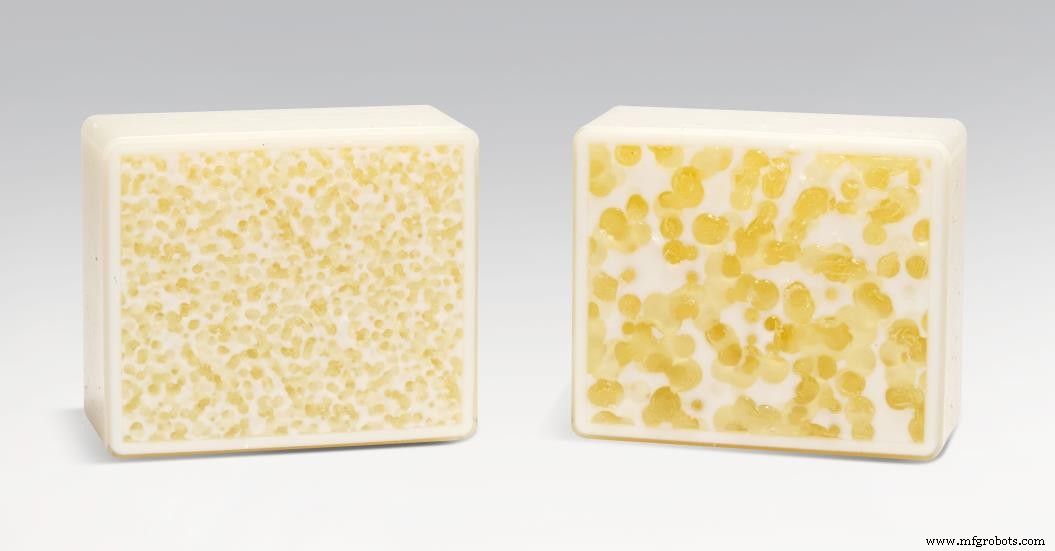
See Why Nothing Comes Close To The Repeatability And Consistency Between Samples Of 3D Printed Tissue
See The Report
3D printing
- 3D‑Printed Drone Enables Rapid, Cost‑Effective Data Collection in Antarctica
- Preventing Warping in 3D‑Printed Parts: Expert Design Tips
- Why CNC-Machined Aluminum Parts Are in High Demand
- Understanding the Dimensional Accuracy of 3D Printed Parts
- Are 3D Printed Parts Really Strong?
- Why PCB Layers Matter: Design, Durability, and Performance
- Why Printed Circuit Boards Are Essential for Modern Electronics
- Aluminum CNC Machined Parts: Key Advantages Driving Demand
- Understanding Medical Device Accessories: Definitions, Classifications, and Regulatory Impact
- Expert Guide to Polishing Metal Parts in 3D-Printed Medical Devices