



3D Printing and Mass Customisation: Current Landscape and Future Opportunities
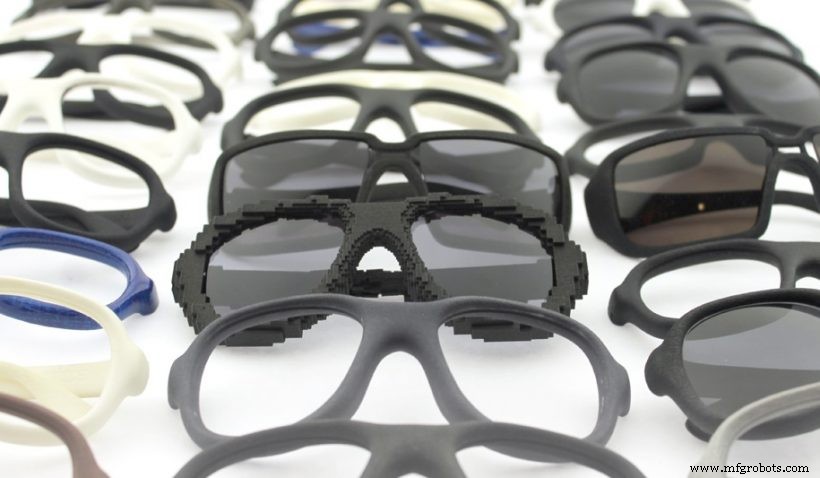
From bespoke sunglasses to personalized smartphone colors and shoe designs, consumers increasingly demand products that reflect their individuality. A Deloitte Consumer Review shows that over 50 % of shoppers express interest in customized offerings.
With rising expectations for tailored experiences, mass customisation has emerged as a pivotal trend, propelled by digital manufacturing methods such as 3D printing.
In this article we examine how 3D printing enables mass customisation, showcase recent product examples, and discuss the hurdles to broader adoption.
The rise of mass customisation
Historically, the Industrial Revolution ushered in mass-market production and global consumerism, driven by economies of scale. Yet, the late 20th‑century digital revolution opened a direct, real‑time dialogue between brands and buyers, giving birth to the mass customisation model.
Mass customisation allows individuals to tailor a product within a set of predefined options. For customers it delivers unique goods; for manufacturers it unlocks added value and deeper customer relationships.
How does 3D printing fit into the mass customisation business model?
Shifting from mass production to mass customisation presents significant challenges, especially around production flexibility and supply‑chain complexity. Traditional methods—like injection moulding—require new tooling for each variant, driving up change‑over costs and lead times.
Additive manufacturing (AM) eliminates the need for bespoke tooling. 3D printing receives digital design data directly, meaning that complex shapes can be produced without extra time, energy, or material costs. The only “tool” is the printer itself, enabling truly to‑go‑print customization at scale.
3D printing and mass customisation in practice
Thanks to its toolless, highly adaptable nature, 3D printing is already being leveraged across several sectors for mass customisation.
The consumer goods industry
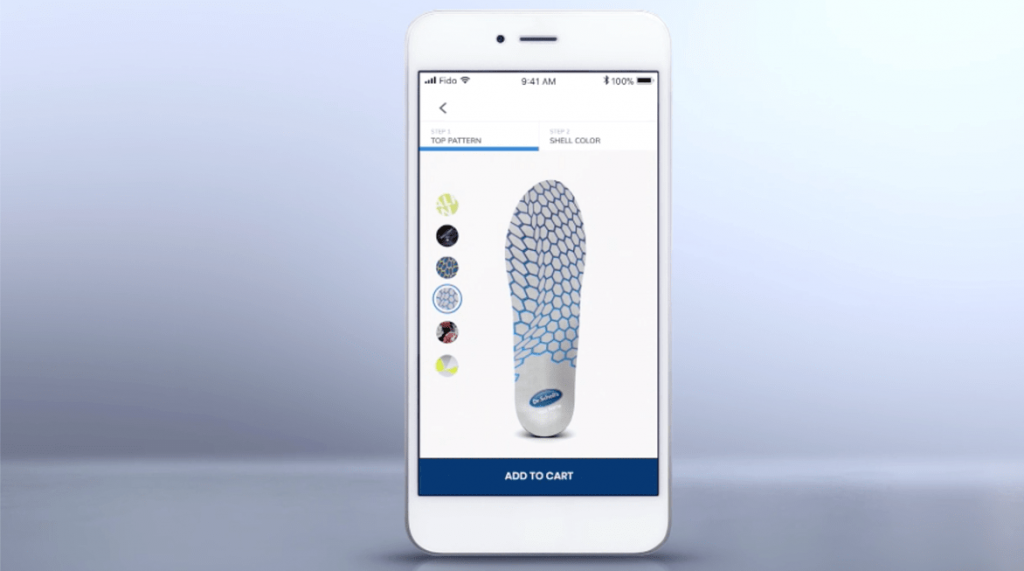
Footwear manufacturers are using 3D scanning to capture each customer’s foot geometry, then design midsoles or insoles that fit perfectly. Dr. Scholl’s, in partnership with Wiivv, offers a custom‑insole app that captures 400 mapping points per foot in under five minutes. The resulting 3D design is printed and shipped within 14 days for $99, with optional design overlays for added personalization.
Beyond footwear, niche markets such as custom 3D‑printed eyewear and jewellery are emerging, though they remain on the periphery of mainstream adoption.
The healthcare industry
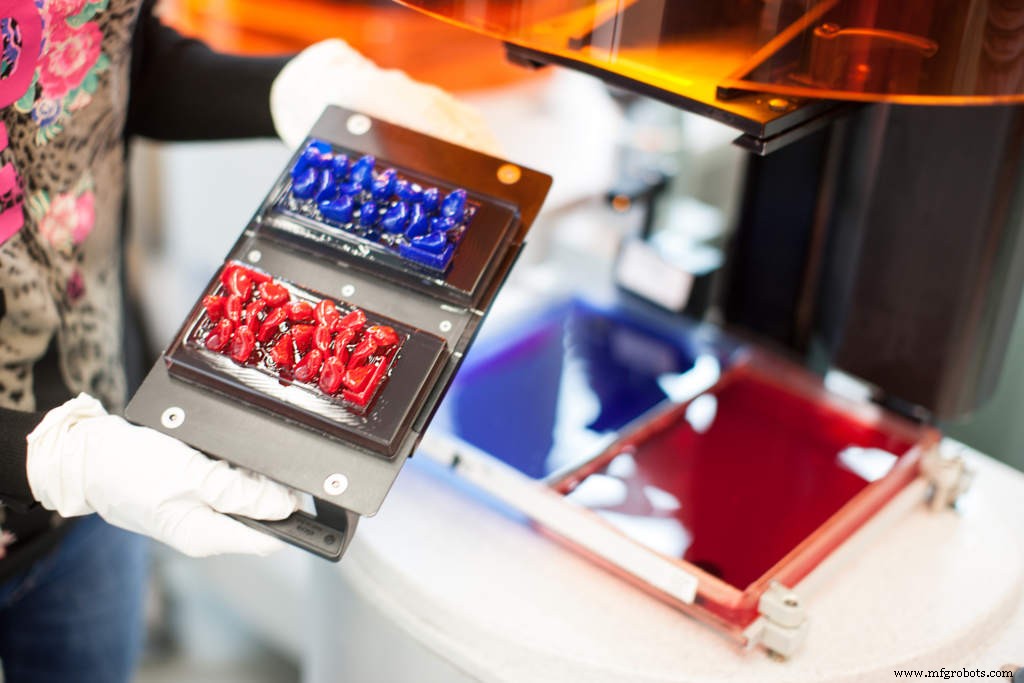
Personalized medical devices—prosthetics, implants, surgical tools—have long benefited from 3D printing. Unlike generic product options, these items are fully bespoke, tailored to each patient’s anatomy. For instance, Sonova has 3D‑printed patient‑specific in‑the‑ear hearing aid shells since 2001, producing hundreds of thousands of unique units annually.
The automotive industry
Luxury automakers are the vanguard of mass‑customized 3D printing. MINI’s 2018 "MINI Yours Customised" service lets buyers choose patterns, finishes, text, or cityscapes for parts such as door handles or side‑plate panels. Custom components are printed on demand and ready within four weeks.
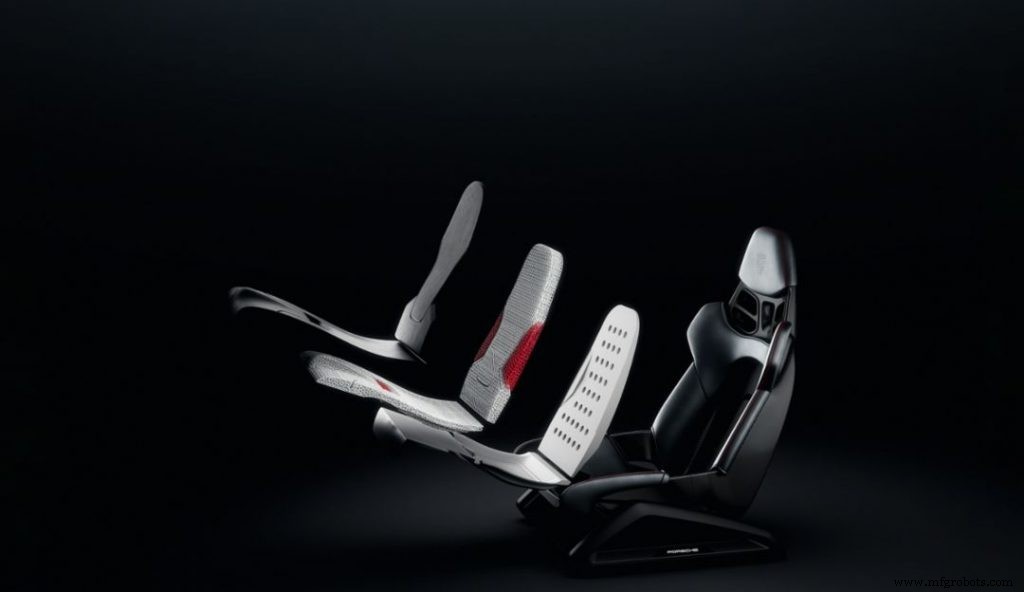
Porsche is pioneering seat‑customisation with a 3‑firmness‑level system—hard, medium, soft—using 3D‑printed seat centres. The company plans to prototype 40 seats on European tracks by May 2020 and roll out street‑legal models by mid‑2021, eventually tailoring seats to individual body contours.
The challenges of 3D printing for mass customisation
Despite its promise, 3D printing adoption remains modest, especially for mass‑customised production. Speed and volume constraints limit its suitability for high‑volume, low‑margin items, which hampers broader market penetration.
Enabling mass customisation by indirect 3D printing
Traditional moulding and casting struggle with customization due to tooling lead times and costs. A hybrid approach—3D‑printing custom moulds for injection moulding—combines the flexibility of AM with the efficiency of conventional mass production.
Jewellery firms use 3D‑printed wax patterns for investment casting. The wax is replaced by a heat‑resistant mould, then melted away, allowing molten metal to fill the cavity. This workflow saves time, reduces manual carving, and permits intricate, bespoke designs.
Vowsmith exemplifies this model: couples order rings online, upload fingerprint images captured with an ink kit, and the system generates a 3D‑model with fingerprints. A single print run yields 35–40 rings; the company targets 4,000–5,000 rings annually. Vowsmith claims 3D printing unlocks “infinite” jewellery customisation possibilities beyond what traditional methods can achieve.

The need for software and the right workflow
Successful mass customisation requires more than hardware—it demands robust digital tools. An online configurator is essential, enabling customers to navigate a wide product matrix and place orders effortlessly.
Manufacturers must also establish end‑to‑end workflows that track, identify, and deliver custom parts. Strategies include printed labels, 3D scanning, QR codes, and MES software to ensure traceability and quality control. The exact approach depends on the product’s complexity and production volume.
Riding the mass customisation wave with 3D printing
Mass customisation is reshaping consumer expectations, and 3D printing is at the heart of this shift. While high‑end markets currently dominate due to the learning curve and operational challenges, the technology’s ability to produce tailored goods faster and more cost‑effectively positions it as a key driver for the next wave of personalization.
3D printing
- Standards for 3D Printing (2020 Update): Current Landscape and Road Ahead
- Metal 3D Printing Today: From Prototype to Production
- Stereolithography & Digital Light Processing: Current Landscape & Future Outlook
- FDM 3D Printing Today: Current State, Milestones, and Future Outlook
- 2021 State of 3D Printing in Healthcare – Market Growth & Emerging Applications
- How 3D Printing and Software Drive Digital Transformation in Manufacturing
- Agile Manufacturing & 3D Printing: A Guide to Rapid, Custom Production
- Understanding Jerk and Acceleration in 3D Printing: A Practical Guide
- Are 3D Printer Fumes Dangerous? Health & Safety Insights
- Understanding the Key Differences Between FDM and SLA 3D Printing Technologies