



Lithoz CEO Dr. Johannes Homa Explains the Future of Ceramic 3D Printing
Ceramic 3D printing is a cutting‑edge additive manufacturing discipline that is already shaping industries ranging from healthcare to aerospace. Despite its relative novelty, the technology is moving from prototype to production across a broad spectrum of applications.
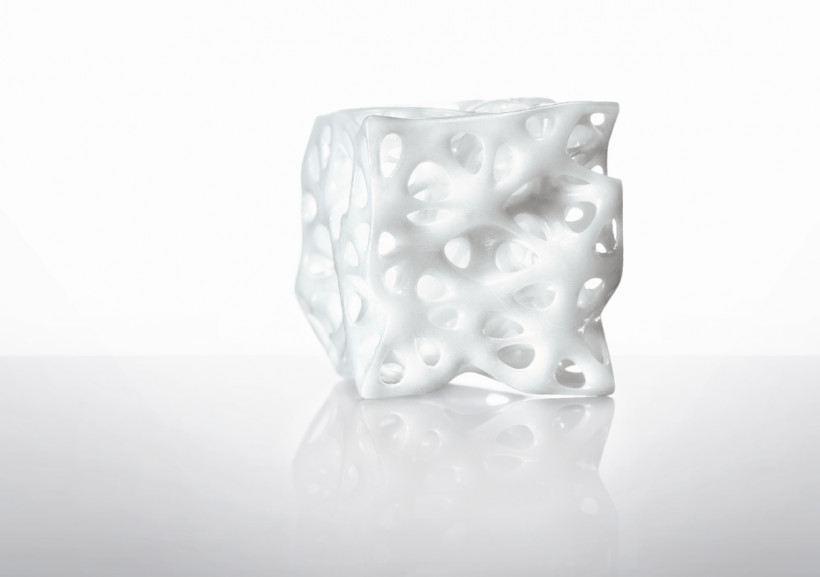

Only a handful of companies specialize in ceramic 3D printing. Among them is Lithoz, an Austrian leader that supplies machines, software, and high‑performance ceramic materials.
Q: What is Lithoz’s mission?
A: We are the world’s technology provider for high‑performance ceramic 3D printing. Beyond hardware and materials, we help customers transition from traditional manufacturing to digital fabrication, bridging the gap between additive manufacturing and the ceramic industry.
Q: How did Lithoz originate?
A: The core technology was born in 2006 at the Vienna University of Technology, in partnership with dental company Ivoclar Vivadent AG. By 2010 we achieved a breakthrough: ceramic parts printed with our system matched the mechanical properties of conventionally manufactured pieces. That milestone prompted us to spin out Lithoz as a dedicated company.
Q: How does Lithoz’s technology work?
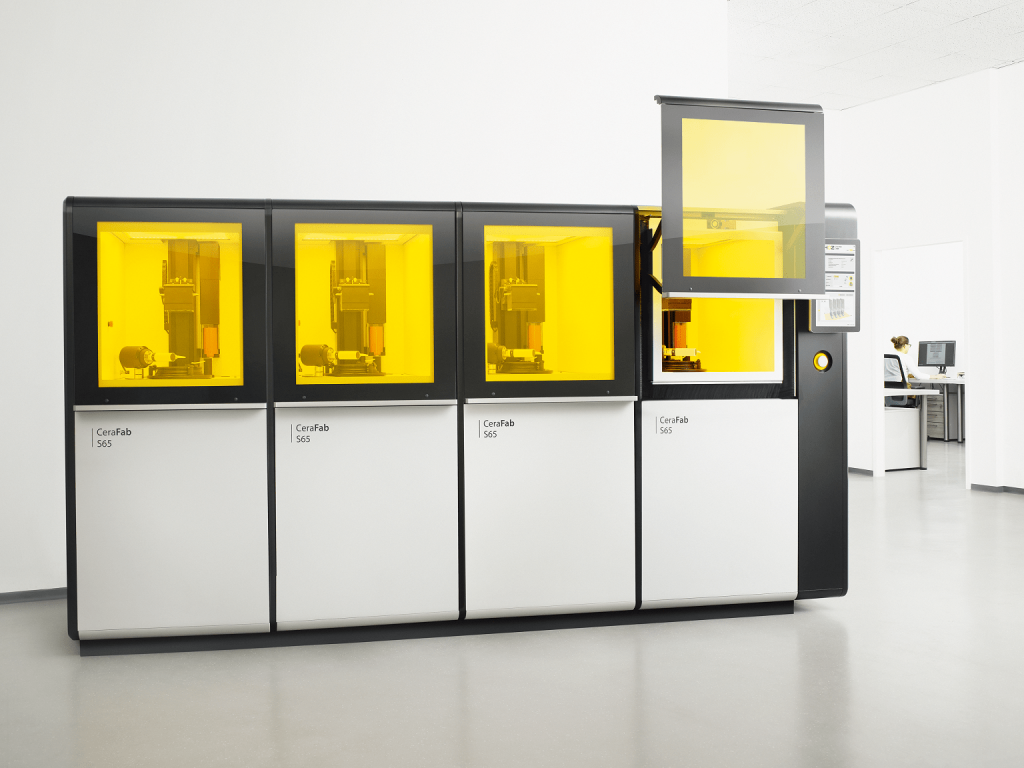
Q: What are the main applications of your technology?
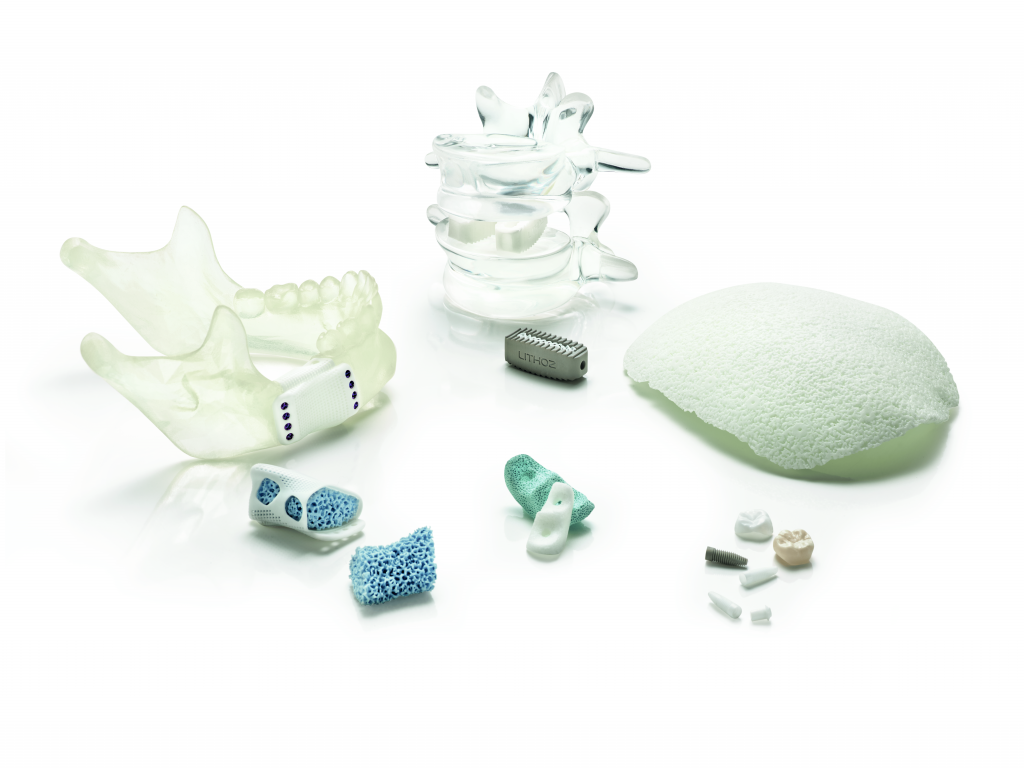
- Medical: Resorbable and non‑resorbable implants (in use since 2017), medical devices that require electrical insulation or magnetic non‑reactivity, and patient‑specific prosthetics that benefit from ceramic’s low thermal conductivity.
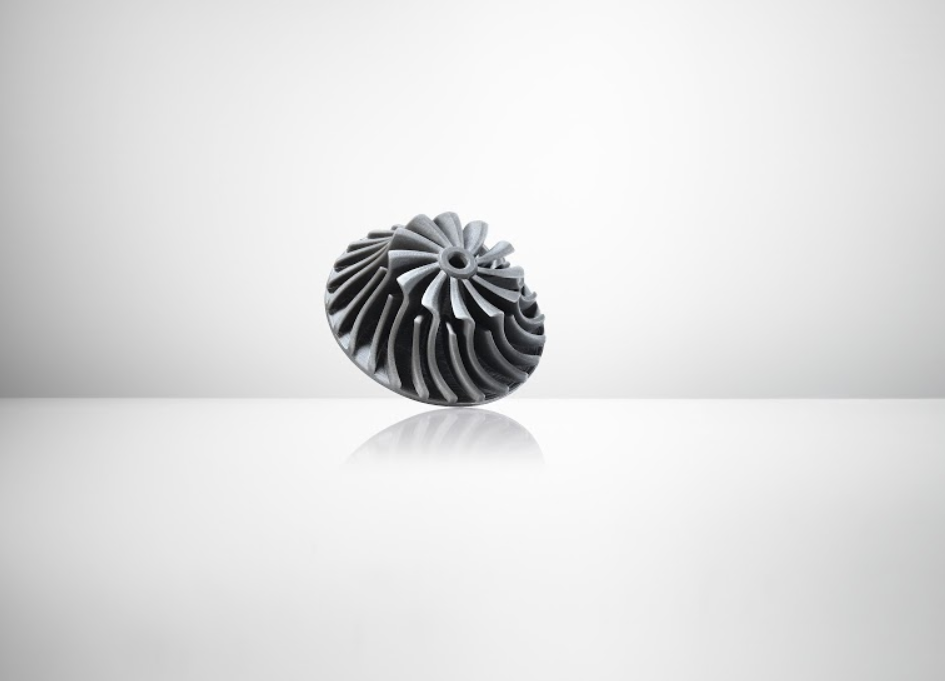
- Aerospace: Casting cores for turbine blades, where the intricate internal cooling channels are beyond injection moulding capability.
- Technical ceramics: Advanced components for satellites, RF elements, and high‑precision machinery in textiles and semiconductors.
Q: Can your process handle metals?
A: We adapt our photopolymerisation platform to the material rather than forcing the material to fit the machine. This philosophy enabled us to launch Incus, a spin‑off that prints metal parts with comparable resolution and mechanical performance to injection‑moulded parts.
Q: How mature is ceramic 3D printing today?
As a relatively young field, the knowledge base is still growing. However, recent feedback from C‑level executives shows that many organizations now recognize ceramic AM’s potential—often surpassing that of metal printing—especially where biocompatibility or electrical isolation is critical.
Q: What’s the best way for a company to start exploring ceramic 3D printing?
The most straightforward entry point is prototyping. Once a company identifies a complex, high‑performance part that cannot be produced by conventional means, it gains a competitive edge by leveraging ceramic AM’s unique material properties. Success stories typically emerge from a top‑down, strategic initiative rather than an ad‑hoc, bottom‑up trial.
Q: What challenges should companies anticipate?
Common misconceptions include expecting cost savings on parts already produced efficiently by traditional methods. Additive manufacturing remains a higher‑volume, high‑precision technology; it excels at producing low‑run, complex parts. Additionally, ceramic sintering imposes constraints—multi‑material builds may face co‑sintering challenges that need careful process planning.
Q: What does a recent SmarTech Analysis report say about ceramic AM growth?
We agree that end‑part production will be the primary growth driver. Over the past decade, we have demonstrated that ceramic AM can produce functional, high‑quality parts—making it a viable production‑level technology.
Q: How can digital technologies and AM support supply chains during disruptions?
During the COVID‑19 crisis, traditional suppliers were constrained by physical tool access. In contrast, an additive manufacturing system requires only digital data; a design file can be transferred across continents and printed on site, eliminating tooling and inventory dependencies. This flexibility is a strategic advantage for companies facing global supply uncertainties.
Q: What’s next for ceramic 3D printing?
The field continues to push the limits of part quality. Because ceramic parts must meet the same stringent performance criteria as conventionally manufactured parts—especially for high‑temperature or corrosive environments—functional prototypes are already at the core of our roadmap. We anticipate expanding our application portfolio and enhancing material options.
Q: How will Lithoz navigate the coming year?
While the pandemic has slowed some customers, it has also accelerated interest in digital manufacturing. Lithoz remains confident that our revenue stream will remain robust, and we are working on several undisclosed projects that will showcase the evolving capabilities of ceramic AM.
3D printing
- Dr. Bastian Rapp on 3D‑Printed Microfluidics: Advancing Biotech with NeptunLab
- Felix Ewald, CEO of DyeMansion, Discusses Innovations in Powder-Based 3D Printing Post-Processing
- Digital Alloys CEO Duncan McCallum Discusses Joule Printing and the Future of Metal 3D Manufacturing
- Nanoe CEO Guillaume de Calan Discusses the Future of Ceramic 3D Printing
- How PostProcess Technologies CEO Jeff Mize is Removing the Post‑Processing Bottleneck in Additive Manufacturing
- MELD Manufacturing CEO Nanci Hardwick on Revolutionizing Metal 3D Printing
- Interview with VELO3D’s VP of Technology Partnerships: Advancing Metal 3D Printing Capabilities
- Fortify CEO Josh Martin Discusses Revolutionary Fluxprint™ Digital Composite Manufacturing
- Inkbit CEO Davide Marini Discusses the Future of Multi‑Material Inkjet 3D Printing
- Interview with BCN3D CTO Eric Pallarés: Unlocking the Power of IDEX 3D Printing Technology