



Metal 3D Printing: Revolutionizing Production with Speed, Cost Savings, and Design Freedom
Metal 3D printing is redefining how we manufacture components. In low‑ to mid‑volume runs, it delivers parts faster, cheaper, and with less effort than conventional methods. By building material layer by layer, it unlocks geometries that are impossible—or prohibitively expensive—to create with subtractive or molding techniques. The process requires no tooling, operates almost fully automatically, and adds material rather than removing it, enabling truly optimized designs. These advantages make metal 3D printing ideal for legacy parts, line‑automation tools, and functional cast prototypes.
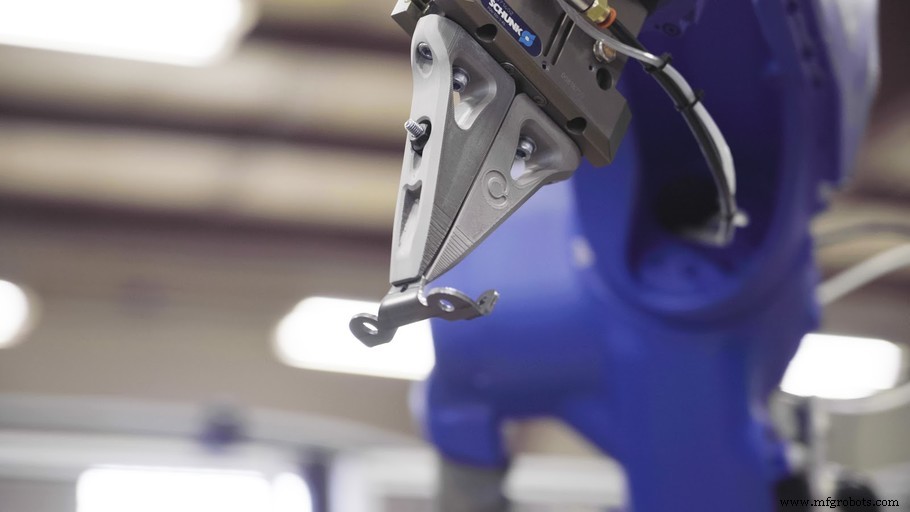
Take the example of a set of gripper jaws used to move sheet metal into a press brake. The jaws were printed from 17‑4 PH stainless steel and address three key shop challenges:
- High abrasion resistance keeps the jaws intact through repeated contact with steel parts.
- Closed‑cell infill reduces weight, allowing the arm to move faster and increasing overall yield.
- Complex, low‑profile tip geometry secures the part without interfering with press‑brake tooling—a feature that would be costly to machine.
Metal X demonstrates how these solutions translate into real‑world cost reductions and performance gains. Explore additional case studies on our Applications page.
Three Core Benefits of Metal Additive Manufacturing
Geometric Freedom
Traditional manufacturing adds complexity through extra operations, machining time, or multi‑part molds—each consuming material and labor. Additive manufacturing removes these constraints by depositing material only where needed. This approach reduces material waste and machining time while enabling intricate geometries that would otherwise be unattainable.
Full Automation
Metal 3D printers require minimal operator intervention. The machine’s software generates toolpaths from configurable settings, eliminating the need for specialized manufacturing knowledge. Once a job is queued, the printer can run unattended, maximizing uptime and enabling production during off‑hours.
Minimal Tooling and Setup
Conventional methods demand custom tooling, workholding, or molds—non‑revenue‑generating steps that add cost and lead time. Metal 3D printers produce parts directly, so the only requirement is to load the build plate and start the print. This eliminates setup costs and speeds up the entire workflow.
Challenges That Additive Manufacturing Solves
By leveraging these benefits, metal 3D printing addresses key pain points across industries. The impact on yield, cost, and time can be substantial when the right parts are chosen for this technology. Our white paper details three common challenges and how metal additive manufacturing provides solutions.
Read the white paper
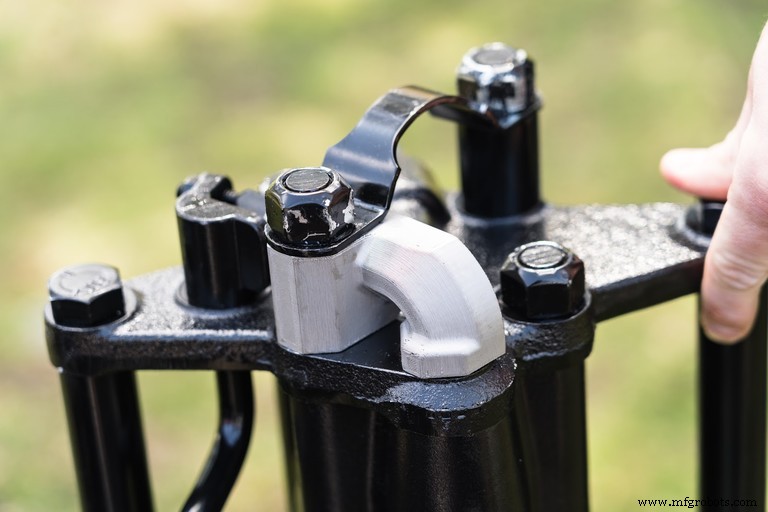
- Simplified Assemblies – Consolidate multiple parts into a single, complex component, reducing assembly steps and improving reliability.
- Optimized Geometries – Design for weight and performance by adding material only where it contributes to function.
- Digital Inventory and Legacy Parts – Use a cloud‑based fleet management system to print parts on demand anywhere a printer is available, eliminating warehouse spares.
Download our white paper, Problems to be Solved with Metal Additive Manufacturing, for detailed examples and actionable insights.
3D printing
- Top Metal 3D Printing Powders for 2020: The Ultimate Guide
- 5 Common Metal 3D Printing Issues—and How to Resolve Them
- Beyond Prototypes: Real‑World Innovations Made with 3D Printing
- Metal 3D Printing 101: How Additive Manufacturing Transforms Production
- Metal Additive Manufacturing: Key Insights for Modern Production
- Premium CNC Routers for Sale – Unlock Precision & Versatility
- Additive Manufacturing 101: A Beginner’s Guide to 3D Printing
- Explore Endless Possibilities: What a CNC Machine Can Build
- Additive Manufacturing & 3D Printing Explained: Key Insights & Applications
- Creating High-Quality Prototypes Using 3D Printing