



How 3D Printing Enhances Lean Manufacturing: Reducing Waste & Boosting Efficiency
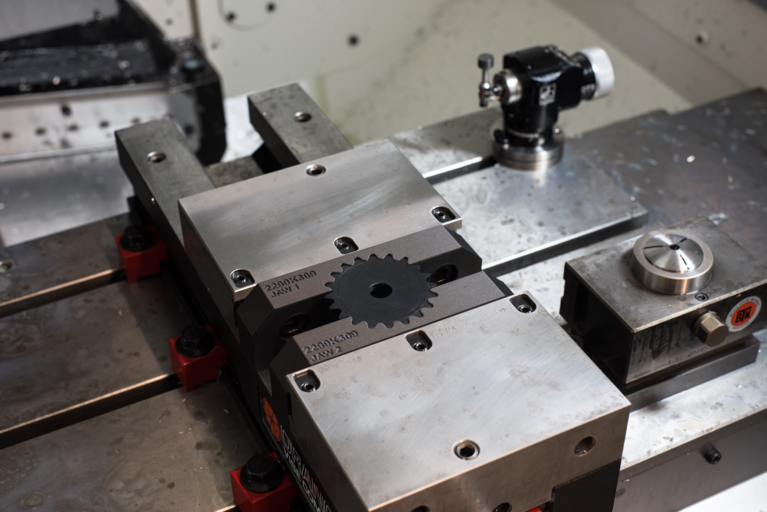
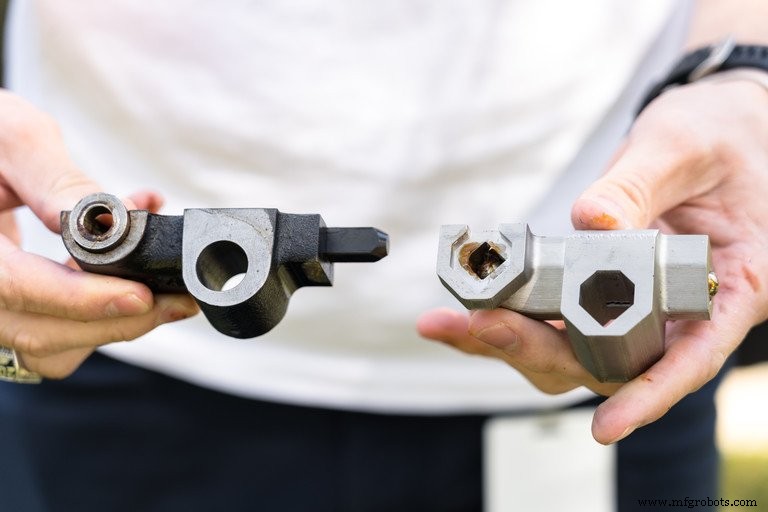
Lean manufacturing is all about eliminating waste across the entire production system. With rapid technological advances, manufacturers can now streamline operations even further, achieving greater flexibility and responsiveness. Additive manufacturing—especially 3D printing—provides engineers with powerful tools to simplify design, cut material usage, and accelerate time‑to‑market. Lean is a philosophy that improves efficiency by systematically removing waste. While Six Sigma also refines processes, its primary goal is to reduce variation; lean focuses on erasing bottlenecks and optimizing logistics. The methodology traces its roots to pioneers like Henry Ford and Taiichi Ohno, who integrated cutting‑edge technology into production lines to build smarter, more efficient systems. As new tools emerge, lean principles continue to evolve. The core idea remains: break each step into manageable, inspectable, and improvable chunks that keep the product moving smoothly. Lean identifies seven types of waste: Defects, Over‑Production, Waiting, Transportation, Inventory, Motion, and Extra‑Processing. Each waste stream creates bottlenecks and drives up production costs. Modern technology makes it easier to automate and infuse intelligence into production lines, turning waste into opportunities for improvement. 3D printing harnesses additive manufacturing to dramatically reduce waste. By building parts layer‑by‑layer, it uses only the material needed for the final geometry, allowing for highly complex designs that would be impossible with subtractive methods. From a logistical standpoint, a digital inventory enables a true “just‑in‑time” system, cutting the lead time required to produce a part. Key waste‑reduction benefits of 3D printing include: This is just the beginning of how 3D printing can reinforce lean manufacturing. Explore our case studies to see how companies are using Markforged 3D printers to reduce waste, accelerate delivery, and drive sustainable growth.Introduction
What Is Lean Manufacturing?
Request a demo
Waste Within Manufacturing
How Does 3D Printing Simplify the Process?
Conclusion
3D printing
- 3D Printing vs Additive Manufacturing: Understanding the Key Differences
- Understanding 3D Printing Resolution: How Precision Shapes Print Quality
- Lean Manufacturing & Maintenance: How TPM Drives Waste Reduction
- How 3D Printing Accelerates Lean Manufacturing from Good to Great
- 3D Printing Accelerates EV Body Design and Production
- Metal 3D Printing: Revolutionizing Production with Speed, Cost Savings, and Design Freedom
- Additive Manufacturing 101: A Beginner’s Guide to 3D Printing
- The Future of Manufacturing: How Robotics and 3D Printing Will Lead the Transformation
- Demystifying 3D Printing: A Clear Guide for Innovators
- How 3D Printing Enhances Aerospace Innovation and Efficiency