



Design for Manufacturing: A Strategic Blueprint for Cost Efficiency and Quality
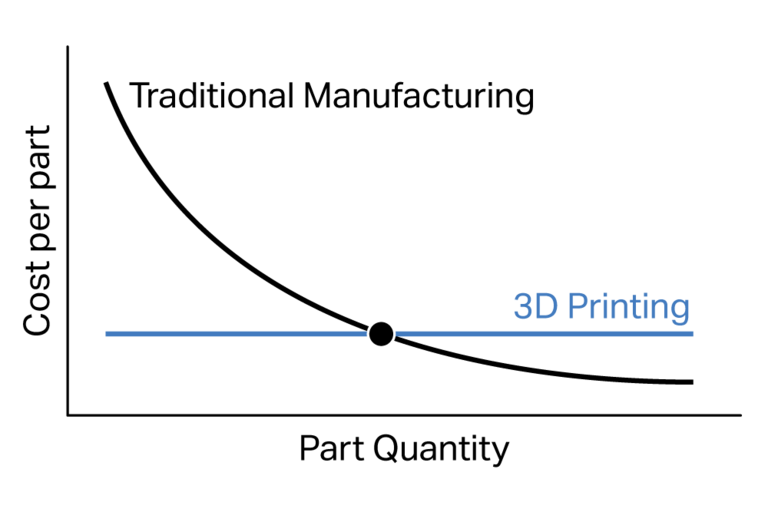
Design for Manufacturing and Assembly (DFM or DFMA) is a pivotal phase in product development. It aligns the design of a product with its manufacturing and assembly processes, ensuring that design choices—materials, geometry, tolerances—support efficient, cost‑effective production without compromising quality. Read our latest customer success story about a major training base for the U.S. Army. Cost reduction: Up to 70% of manufacturing costs stem from design decisions such as material selection and manufacturing method. By prioritizing design optimization, companies can significantly lower production expenses. Streamlined production scale‑up: Transitioning from prototype to mass production often requires redesign. DFM applied early in the design cycle minimizes rework, enhances product quality, and shortens time‑to‑market. Standardization: Reducing inventory and simplifying scale‑up hinges on part standardization. Consider: Design simplicity: Simplified designs reduce manufacturing time and inventory, cutting costs. Strategies include: Alignment and compliance: Misalignment can damage parts and lower yields. Address tolerance stack‑ups and guide assembly with: Setup time reduction: Lower setup time by cutting the number of operations per part and using 3D‑printed fixtures. Tactics include: Communication: Collaboration with production staff uncovers real‑world constraints and speeds iterative improvement. Process: Choose the most cost‑effective manufacturing method—additive, subtractive, or forming—by evaluating how each part’s geometry suits the process. Materials: Material selection affects cost, durability, and weight. Match properties to functional requirements and expected cycle life. Infrastructure: Align production workflows with the capabilities of the manufacturing facility to maximize efficiency. Additive manufacturing shines in rapid iteration, enabling quick testing of parts, tooling, and fixtures while keeping costs low. Prototypes: 3D printing lets designers cycle through multiple iterations swiftly, refining both the part and its assembly process. Tooling: Rapidly produce conformal or ergonomic tools that match the part’s contours, shortening ramp‑up times. End‑use parts: For applications with unique geometry or low volumes, 3D printing can be more cost‑effective than traditional methods. Design guidelines vary by printer type. Evaluate ROI for each part or subassembly to determine the optimal manufacturing route. Upload designs to Markforged’s Eiger software to estimate material cost and print time, and compare against traditional methods. Determine the inflection point where conventional manufacturing becomes more economical than additive. Use cost‑per‑quantity and time‑per‑quantity curves to guide decisions. Reach out for a free consultation on potential applications and how Markforged can support your business.What is Design for Manufacturing?
U.S. Army Case Study

Why is Design for Manufacturing Important?
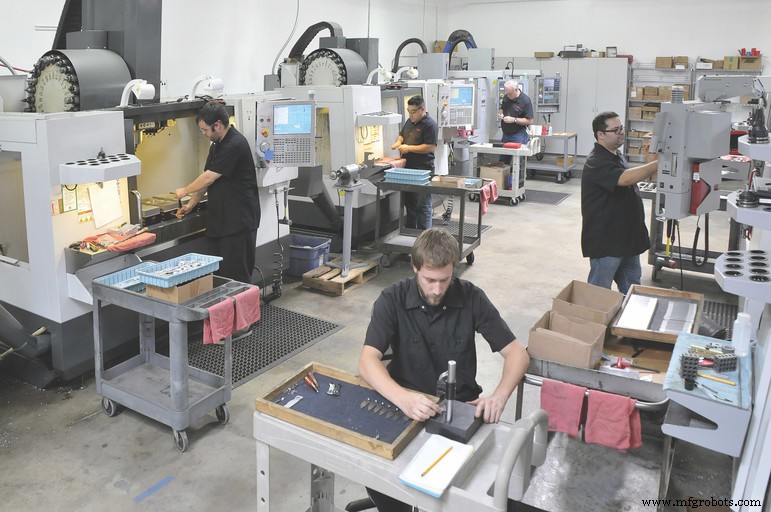
Basics of Effective Design for Manufacturing
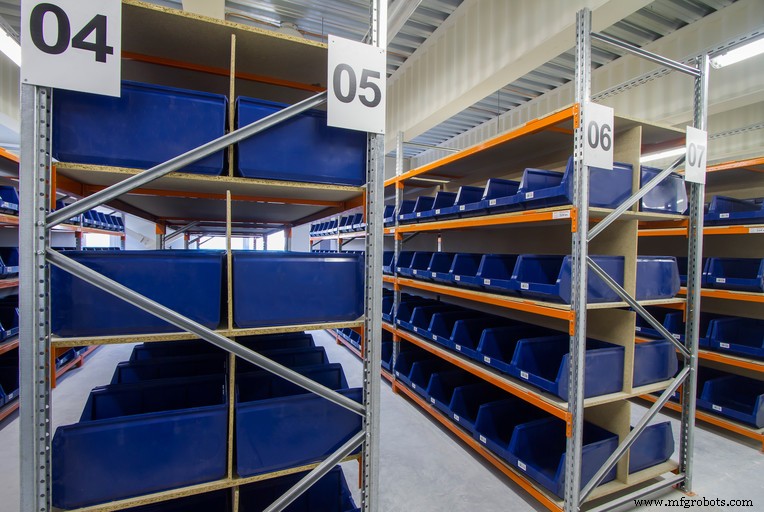
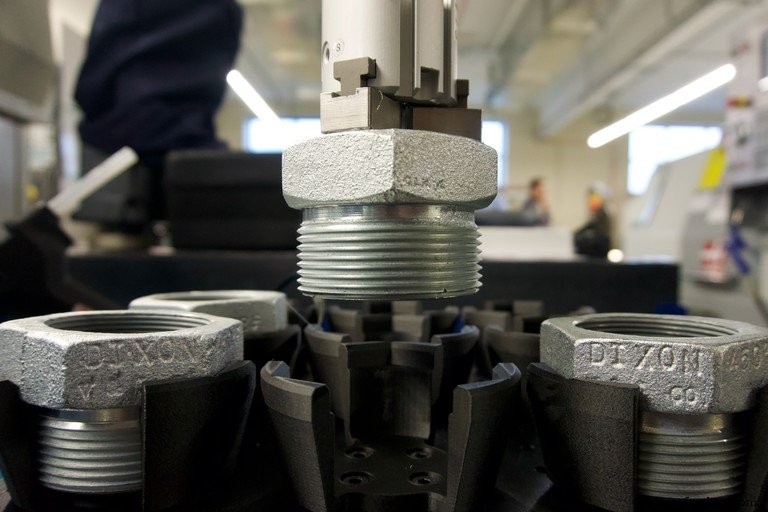
Where to Start With Design for Manufacturing
How Does 3D Printing Fit into Design for Manufacturing?
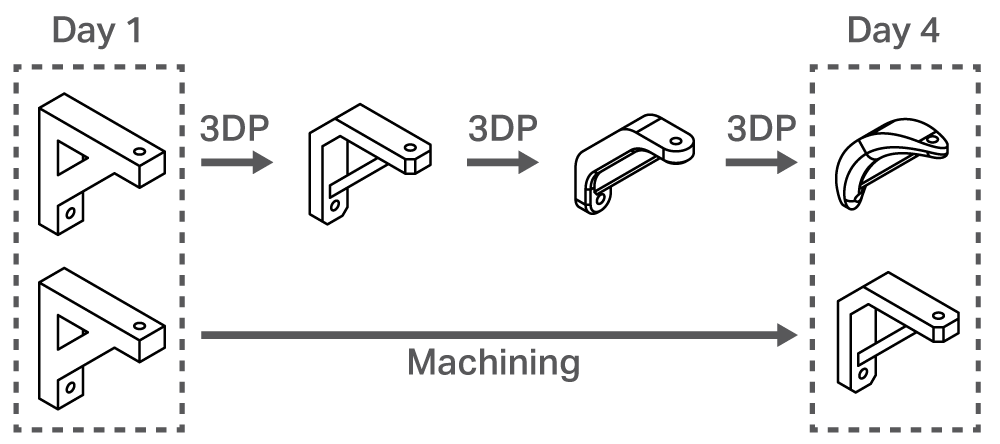
3D printing
- Why Mechanical Design Services Are Essential for Product Success
- Mastering Product Design: Proven Strategies to Overcome Common Challenges
- How Additive Manufacturing Helped Van Damme Produce Custom Marshmallow Nozzles at a Fraction of the Cost
- Why Manufacturing Execution Software Is Crucial for Maximizing Robotic Automation ROI
- Boosting Productivity: Why It Matters & How to Achieve It
- Optimizing PCB Design for Manufacturing: Key Strategies & Best Practices
- Design for Assembly: Enhancing Product Manufacturing Efficiency
- Design for Manufacturing: Key Principles for Product Success
- Design for Manufacturing: Clarifying a Critical, Often Misunderstood Principle
- Why Comprehensive PCB Documentation Drives Design Efficiency & Faster Production