



How 3D Printing Accelerates Lean Manufacturing from Good to Great
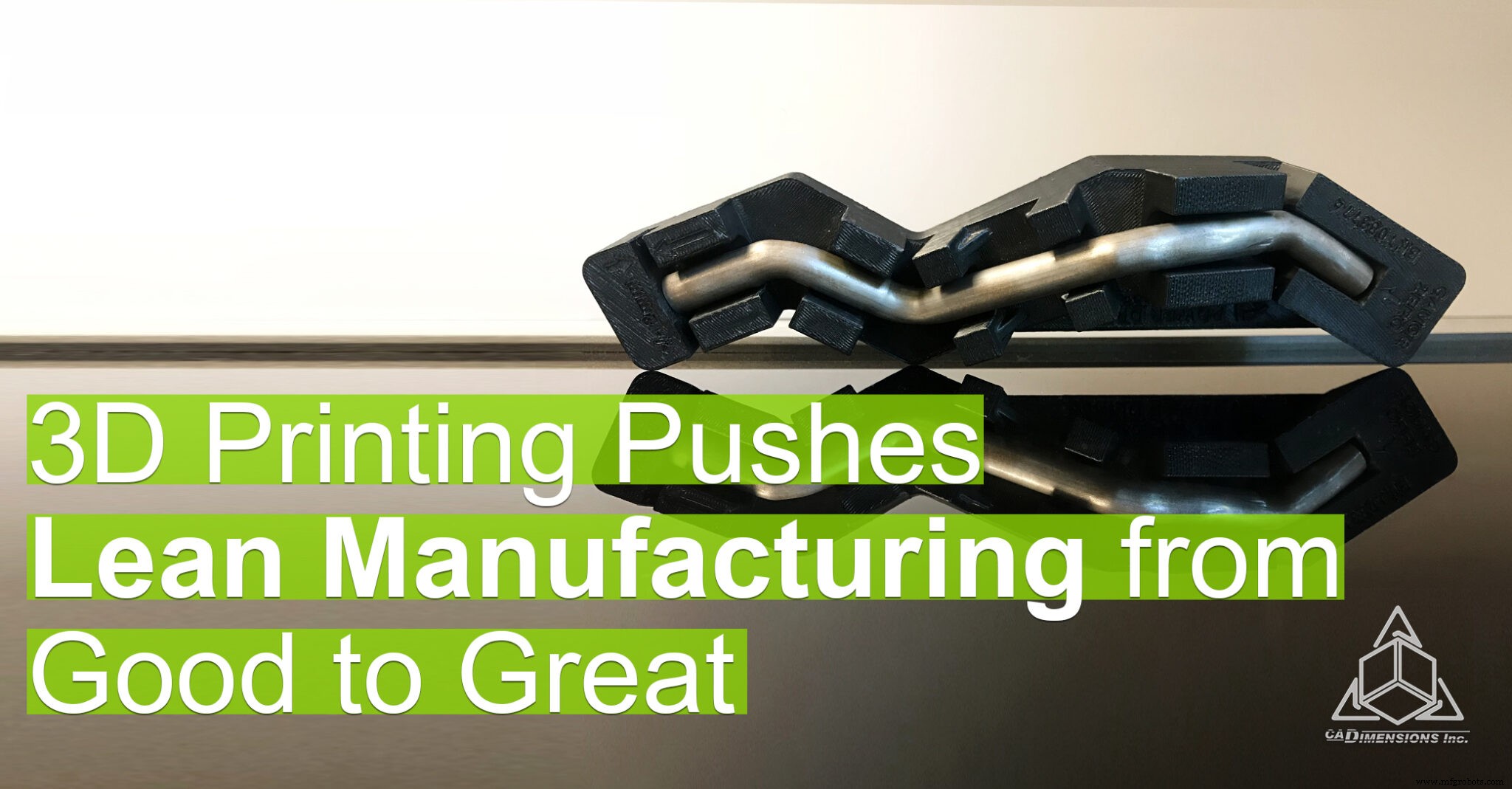
In recent months, our 3D Printing team hosted the “Smarter Manufacturing: Additive is the New Fourth Shift” seminars across New York and Pennsylvania. The sessions prompted a deeper look at today’s production landscape and explored how additive manufacturing can deliver maximum impact.
Manufacturing in 2018
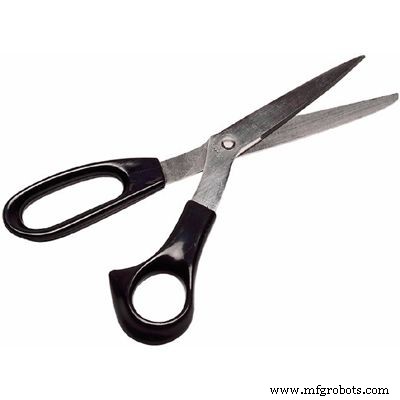
When we consider the complexity behind the products we buy every day, the modern manufacturing ecosystem is truly remarkable. Take a simple pair of scissors: iron ore is transformed into steel, machined into blades and a pivot screw, while plastic handles are molded from refined oil. The components are then assembled into a functional tool—all at a cost low enough for a one‑dollar retail price.
More complex items—smartphones, toasters, cars—follow similar, yet even more intricate, supply chains. The ability to manufacture these efficiently is a win for both companies, which grow profits, and consumers, who benefit from affordable prices. The question is: how can we push these processes even further, and what role does 3D printing play?
Manufacturing Methods
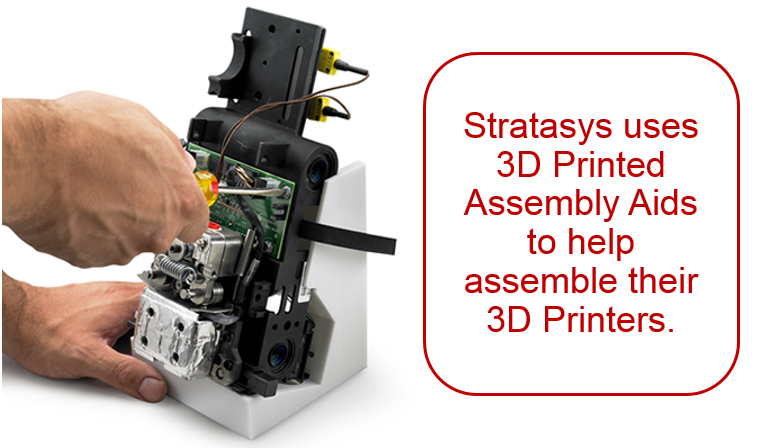
Lean manufacturing—popularized by Toyota—targets waste elimination, consistency, and efficiency. Additive manufacturing can amplify these benefits in three key areas: Motion, Over‑Processing, and Defects.
1. Waste of Motion
Motion waste arises when workers or equipment travel further than necessary. 3D‑printed custom tool holders, drawer organizers, and bins keep essential items within arm’s reach. Because these items are tailored to the specific work environment, they outperform off‑the‑shelf solutions while remaining cost‑effective compared to traditional machining.
2. Waste of Over‑Processing
Designers often grapple with the constraints of conventional machining, asking “How do I make this part?” 3D printing shifts the mindset to “What do I want this part to accomplish?” An assembly of five or more traditionally manufactured parts can frequently be consolidated into a single additively manufactured part, reducing both time and material usage.
3. Waste Caused by Defects
Defect waste stems from inaccuracies in manufacturing or tooling. 3D printing enables rapid creation of cost‑effective measurement gauges and go/no‑go tools, allowing manufacturers to inspect more parts more frequently. This heightened scrutiny reduces scrap rates and simplifies troubleshooting at each stage of production.
Modern manufacturing thrives on meticulous attention to detail. Small time savings per operation can add up to substantial cost reductions when multiplied across thousands of units. Additive manufacturing offers a practical avenue to realize these gains, making lean processes not just attainable but sustainable.
Tags: 3D Printing, Gauges, Lean Manufacturing, Material, Part Inspection, Production
3D printing
- Agile Manufacturing & 3D Printing: A Guide to Rapid, Custom Production
- How 3D Printing Is Revolutionizing Manufacturing: 3 Key Transformations
- 3D Printing: The Future of Manufacturing and Medicine
- Metal 3D Printing 101: How Additive Manufacturing Transforms Production
- How 3D Printing Enhances Lean Manufacturing: Reducing Waste & Boosting Efficiency
- Unlocking Innovation: The Key Advantages of 3D Printing in Modern Manufacturing
- Tinkercad for 3D Printing: A Comprehensive Review for Beginners
- Is SketchUp Ideal for 3D Printing? A Comprehensive Review
- SolidWorks for 3D Printing: What You Need to Know
- Elevate Your Grinding Operations: From Good to Great with Advanced Software & Automation