



How COVID‑19 is Reshaping Manufacturing: Production, Demand, and Supply Chain Impacts
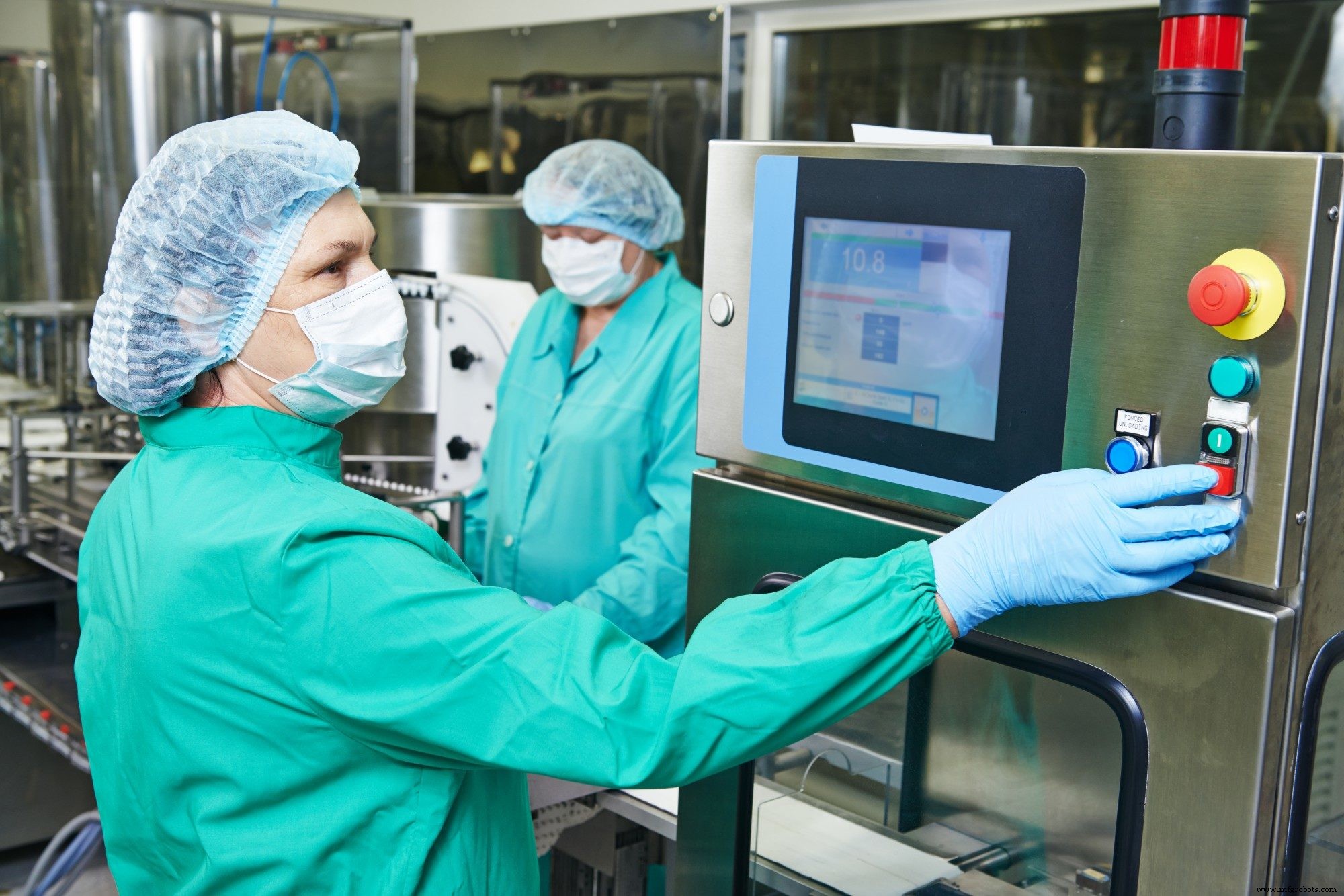
COVID‑19, the disease caused by a novel coronavirus, has disrupted everyday life and the global economy. The manufacturing sector has felt these tremors deeply, with ripple effects across production schedules, demand curves, and supply‑chain logistics.
In this article we examine the pandemic’s current influence on manufacturing demand, supply chains, and how firms are adapting to stay resilient.
The COVID‑19 Impact on Manufacturing
Across the United States and beyond, many employees have been instructed to work remotely or remain home to curb virus transmission. This “stay‑at‑home” directive has led to a significant slowdown in production and a thinning of upstream supply chains, as key inputs are produced in reduced volumes or not at all.
Manufacturers are already reporting a range of challenges:
- Delivery delays – In a recent electronics industry survey, over 66 % of respondents anticipated shipment delays. The average delay was quoted at three weeks, with 15 % facing waits of six weeks or more. Yet actual delays are stretching to an average of five weeks—two weeks beyond the quoted estimates.
- Rising costs – To keep production lines running amid shortages, firms are sourcing from alternate suppliers. These replacements typically carry higher price tags, forcing many manufacturers to transfer the cost burden to their customers.
- Uncertainty – As the global economic slowdown’s scope remains unclear, 25 % of electronics manufacturers say it’s too early to predict when business will normalize, though most expect a rebound by July. A hopeful sign is China’s improved control of the outbreak, which has enabled a gradual uptick in production.
The Demand Question
The pandemic has produced a mixed picture for demand: some sectors have contracted sharply, while others have surged.
- Decreased demand— Travel‑related industries such as airlines and cruise lines are experiencing dramatic booking declines. Among surveyed manufacturers, 78.3 % anticipate a financial hit, and 53.1 % foresee operational changes such as reduced output or workforce reductions.
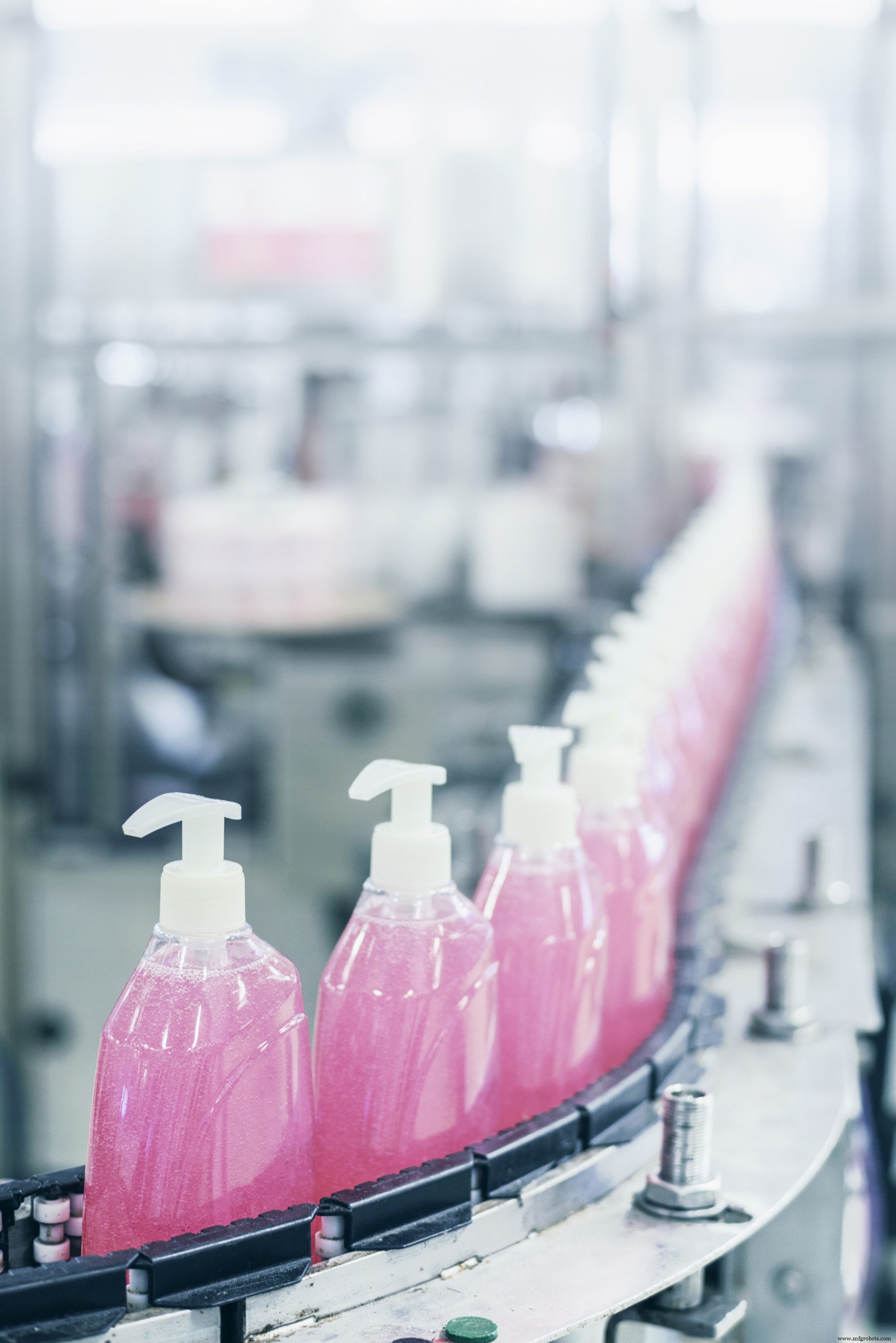
- Increased demand— Consumer packaged goods, medical devices, and essential supplies like ventilators and hand sanitizer have seen unprecedented spikes. Factories producing these items are now operating 24/7 to meet global demand. The heightened need for personal protective equipment has prompted manufacturers to scale up production rapidly.
Production Changes and Equipment Impact
Whether scaling up or down, any shift in production intensity directly affects equipment performance, maintenance windows, and the capacity to deliver on time—especially in life‑critical medical device manufacturing, where delays can be fatal.
Advanced Technology Services (ATS) specializes in industrial maintenance management. Leveraging state‑of‑the‑art people, processes, and technology, ATS can help businesses navigate demand surges, maintain production schedules, and perform critical repairs when equipment fails. These services can be the difference between meeting market deadlines and missing them.
For more information on how ATS can support your manufacturing operations during this pivotal time, contact us today.
Equipment Maintenance and Repair
- Manufacturing vs Production: Key Differences Explained
- Bridging the Gap: How Maintenance and Production Can Collaborate for Factory Success
- Smart Factories: Driving Innovation in Automotive and Food Production
- Why Proactive Equipment Maintenance Drives Manufacturing Efficiency & Cost Savings
- Future-Proofing FMCG Production: Innovative Maintenance Strategies
- Automation's Transformative Role in Modern Manufacturing
- Revolutionizing Education: How AI Shapes Modern Learning
- How Automation is Transforming Manufacturing: Boosting Efficiency & Cutting Costs
- Maximizing Production Capacity: Proven Strategies for Manufacturers
- How Additive Manufacturing Is Revolutionizing Industrial Production