



AI in Aerospace: 5 Game‑Changing Ways AI Drives Aviation Innovation
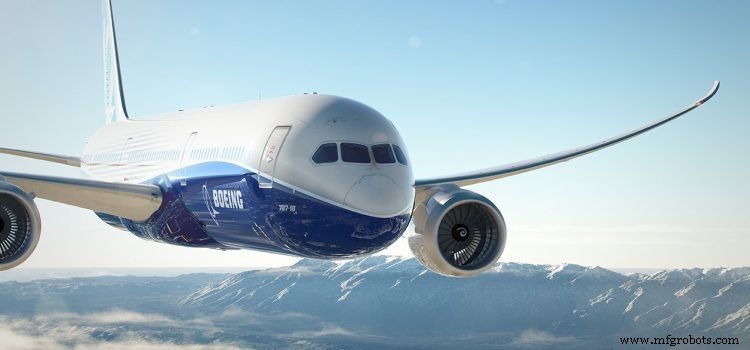
In our latest series on AI’s industry impact, we examine how breakthroughs in artificial intelligence are reshaping aerospace manufacturing and operations.
According to a recent Accenture study, 80 % of top executives in aerospace and defense expect AI‑driven decisions to touch every workforce segment by 2021. This signals a profound shift toward digitalization across the sector.
From smart maintenance to training and beyond, here are five ways AI could transform aviation:
1. Smart Maintenance

Maintaining aircraft is essential for safety. Traditional scheduled maintenance can be time‑consuming and costly, especially when unexpected faults arise. With 45 % of professionals citing unresolved maintenance as a key inefficiency, predictive analytics powered by AI is gaining traction. By mining sensor data and maintenance logs, AI models flag potential failures in real time and suggest optimal repair windows, creating smarter schedules. Airbus is already exploring such solutions to anticipate process variations across its factories. SparkCognition’s SparkPredict monitors mechanical systems to forecast asset failures and recommend corrective actions. Airbus’s Skywise platform, in partnership with Palantir, analyzes data to forecast technical issues; easyJet reports Skywise helped predict 31 failures across its fleet, keeping flights on schedule.
2. Better Fuel Efficiency
Fuel cost and emissions are top priorities for airlines. AI‑driven optimization of climb profiles can yield significant savings, as fuel burn peaks during ascent. Safety Line’s machine‑learning tool advises pilots on optimal climb trajectories, and Air Austral has already realized up to 6 % fuel savings during climb. Combined with 3D printing of lightweight parts, AI is accelerating the shift toward greener fleets.
3. Training

AI‑enhanced simulators and virtual reality create immersive training environments, capturing biometric data to tailor lessons to each pilot’s performance. In-flight, AI systems can continuously evaluate flight path, fuel, systems status, weather, and other variables to advise pilots in real time. Future cockpit augmentations, such as smart cameras driven by computer vision, promise to expand pilots’ visual awareness and safety.
4. Innovative Product Designs
Generative design harnesses AI to explore thousands of design iterations based on constraints, yielding lighter, stronger parts faster than traditional methods. When paired with additive manufacturing, these designs can be produced without the limits of conventional tooling, helping airlines cut fuel burn and carbon footprints. Major aerospace firms are already testing this synergy.
5. Better Customer Service

Delivering superior passenger experience is crucial. AI chatbots already answer queries in real time; a SITA survey found 14 % of airlines and 9 % of airports use them, with 68 % planning adoption. Emirates Vacations’ AI‑powered chatbots drove an 87 % engagement lift in a 30‑day ad trial, showing the commercial value of conversational AI.
Looking ahead
While AI’s potential is immense, aerospace’s stringent safety and certification requirements mean new technologies must undergo rigorous validation. The complexity of AI models often clashes with traditional FAA processes, underscoring the need for streamlined verification frameworks. Data governance remains another hurdle; balancing privacy, cybersecurity, and the data needs that fuel AI is essential. Nevertheless, as applications expand, airlines are increasingly eager to invest in AI to optimize operations, reduce downtime, and enhance performance.
3D printing
- 7 Powerful Ways AI Is Transforming Manufacturing
- Artificial Intelligence in Retail: Proven Benefits, Not a Fad
- How AI Accelerates the Internet of Things Revolution
- AI in B2B Marketing: 5 Powerful Ways It Drives Results
- How AI Is Revolutionizing Manufacturing & Machining: Insights from Matt Danford
- AI-Driven Robotics: Cutting-Edge Intelligent Machines
- Boost Your Revenue: 10 Proven Ways to Integrate AI into Your Sales Team
- AI: Benefits, Risks, and Industry Impact
- Big Data vs AI: Synergy Behind Digital Transformation
- How AI Will Transform Business Operations in the Years Ahead