



How AI is Transforming the Internet of Things Landscape
Across the globe, enterprises are harnessing the Internet of Things (IoT) to unlock new revenue streams and streamline operations. To fully realize IoT’s potential, industry leaders—such as Harnil Oza, CEO of Hyperlink InfoSystem—highlight the indispensable role of artificial intelligence (AI) in turning raw data into actionable insights without human intervention.
While IoT’s explosive growth has been well documented, the synergistic impact of AI remains understated. Together, they create a transformative force that reshapes how businesses operate.
Understanding the Role of AI in the IoT Revolution
AI excels at tasks that traditionally required human cognition—such as language translation, voice recognition, and autonomous decision‑making. IoT, on the other hand, connects a vast network of sensors and devices that continuously transmit data about user behavior, preferences, and environmental conditions.
These connected devices generate unprecedented volumes of information, yet many organizations struggle to store, process, and derive value from it. AI bridges that gap by ingesting large datasets, detecting patterns, and delivering real‑time recommendations. Consequently, AI is projected to be the primary catalyst for the next wave of IoT adoption.
The convergence of AI and IoT is redefining the technological landscape, prompting an influx of enterprises to integrate these solutions into their operations.
Empowering Evolving Benefits for Businesses
Early AI systems handled only narrow, manual tasks. Today’s advanced AI frameworks are scalable, self‑learning, and capable of managing complex IoT ecosystems—transforming mundane processes into rapid, automated workflows.

By leveraging AI, smart machines can execute tasks that once took weeks or months in minutes, reshaping operational efficiency and customer engagement.
The synergy of AI and IoT will dramatically alter competitive dynamics, compelling businesses to adapt their product offerings to emerging realities across all sectors.
Key advantages include:
- Higher Revenues: IoT device manufacturers, data providers, and application developers stand to capture significant market share.
- Enhanced Safety: Continuous monitoring and predictive maintenance reduce failures, protecting lives and assets.
- Cost Reduction: Smart meters and sensors lower operational expenses for households and enterprises alike.
- Improved Customer Experience: Adaptive sensors personalize settings—think thermostats that learn individual preferences within a household.
Impact on Different Industries
1. Manufacturing
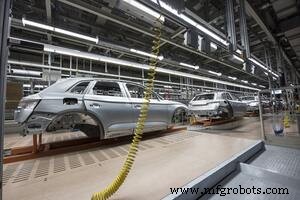
Automotive, aerospace, food & beverage, mining, and more embed smart sensors to conduct predictive analytics, boost productivity, and preempt equipment failures—moving toward fully autonomous production lines.
2. Smart Homes
Connected devices form a unified network, and AI enables them to interpret user intent and make intelligent decisions. Remote control, automated routines (e.g., pre‑brew coffee), and contextual adjustments enhance comfort and convenience.
3. Body Sensors
Medical wearables monitor vital signs, delivering timely alerts and automated interventions such as insulin delivery. Construction firms use load‑bearing and posture sensors to prevent injuries and improve workforce efficiency.
4. Airlines
Aircraft sensors continuously track performance, predict maintenance needs, and reduce downtime, thereby enhancing passenger safety and minimizing flight disruptions.
5. Oil Rigs
High‑cost drilling equipment is monitored via smart sensors, enabling predictive maintenance that cuts operational costs and mitigates catastrophic failures.
Wrapping Up
The integration of AI and IoT promises to reshape personal and professional landscapes in ways previously unimaginable. Early adopters stand to gain a competitive edge through new business opportunities and operational efficiencies.
The author is Harnil Oza, CEO at Hyperlink InfoSystem.
About the Author:
Harnil Oza is CEO of Hyperlink InfoSystem, an app development firm with offices in New York and India that specializes in mobile solutions for Android and iOS. He frequently contributes to IoT publications.
Internet of Things Technology
- Leveraging Blockchain for Trusted Industrial IoT Data: Case Study & Design Guidance (Part 2)
- Blockchain in Industrial IoT: Foundations and Applications – Part 1
- The Crucial Role of Slicing in 3D Printing
- The End of Ownership: How IoT Drives the Future of Subscriptions
- How Artificial Intelligence Amplifies the Power of the Internet of Things
- How IoT Revolutionized Healthcare During the Covid‑19 Pandemic
- 2020: Continuous Intelligence Emerges as the Leading Trend
- How Edge Computing Revolutionizes Commercial IoT Deployments
- Discover the Best Applications for AI: Maximize Efficiency and Innovation
- How AI Will Transform Business Operations in the Years Ahead