



Leveraging Blockchain for Trusted Industrial IoT Data: Case Study & Design Guidance (Part 2)

If you missed the first part of this series, we recommend reading it to understand the foundational concepts. In the previous article, we outlined how RTI’s research group is exploring blockchain solutions for a niche class of real‑time operational systems. These use cases diverge from conventional blockchain applications because the data on the Connext Databus is considered “ground truth.” We trust the data’s accuracy and do not need pre‑validation before recording it on the ledger, yet multiple parties who do not trust each other still benefit from blockchain’s immutability.
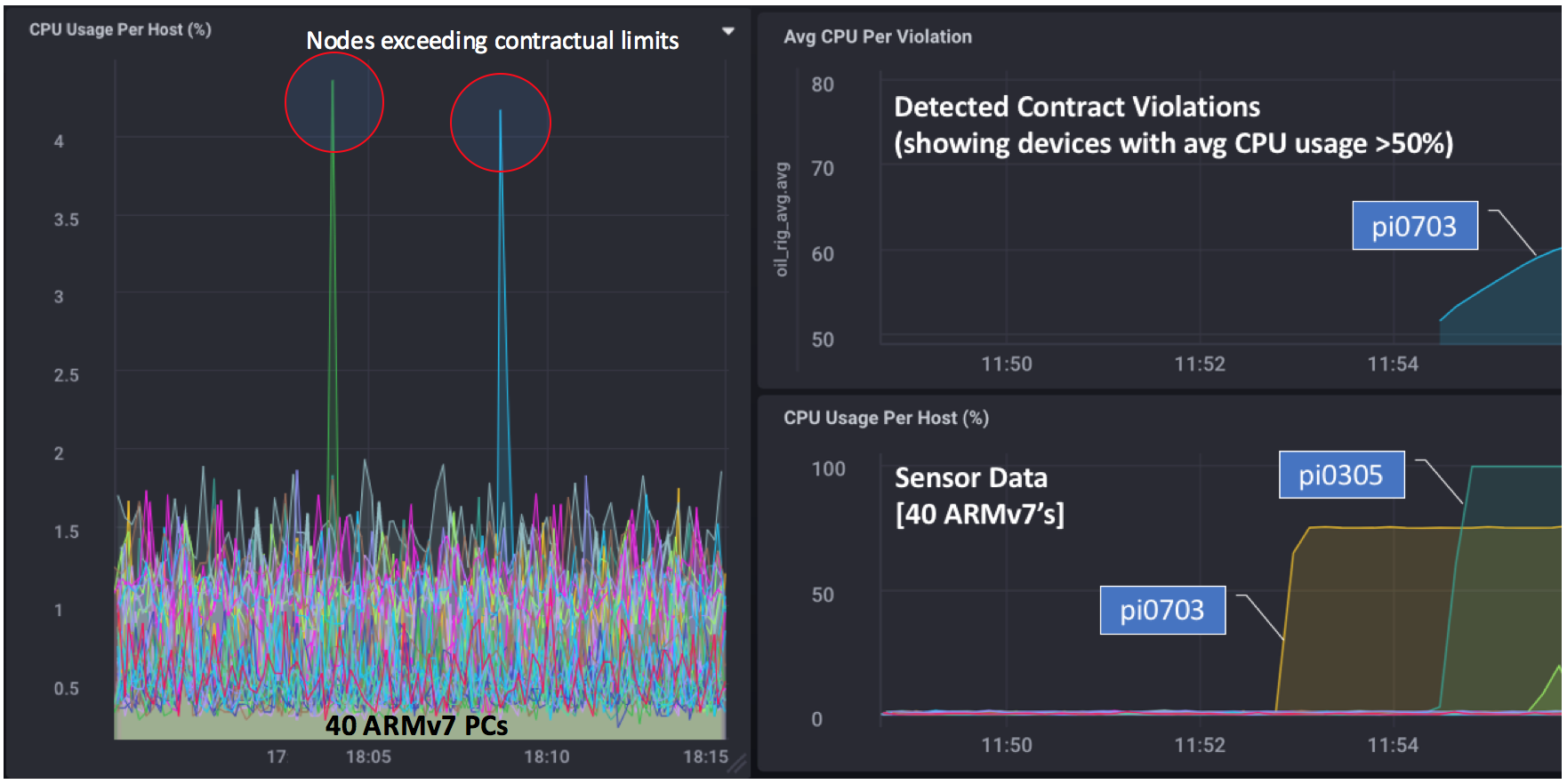
To illustrate, we partnered with an oil & gas client to build a laboratory prototype that monitors equipment usage and performance on an offshore rig. The goal was to verify that equipment operated within lease‑defined parameters. By integrating the Connext Databus—widely deployed across industrial systems—we captured real‑time metrics such as temperature and operation time. The system stores this data on a blockchain and simultaneously analyses it against a codified lease agreement, expressed as a smart contract. When a violation is detected, an automated event is generated.
Why Blockchain Is Needed in This Scenario
The core challenge is the lack of trust among the parties operating an oil rig. Without indisputable proof, a company could claim the equipment ran for 10 hours instead of 12 or that it never exceeded a 250°C limit. By recording the data on a blockchain, each stakeholder receives a tamper‑evident record that cannot be altered retroactively. Blockchain solves the trust problem, but its effectiveness hinges on the integrity of the data that enters the ledger.
The Bigger Picture – Trusted Data End‑to‑End
Blockchain ensures data is trustworthy when it is at rest. However, if the data is compromised before it reaches the ledger, the blockchain’s guarantees are moot. The Industrial Internet Consortium (IIC) has published a Security Maturity Model (SMM) that offers comprehensive guidance for securing industrial systems. We recommend reviewing the SMM documentation, particularly the "Data Protection" section under "Enablement." This section emphasizes protecting data in use, in motion, and at rest.
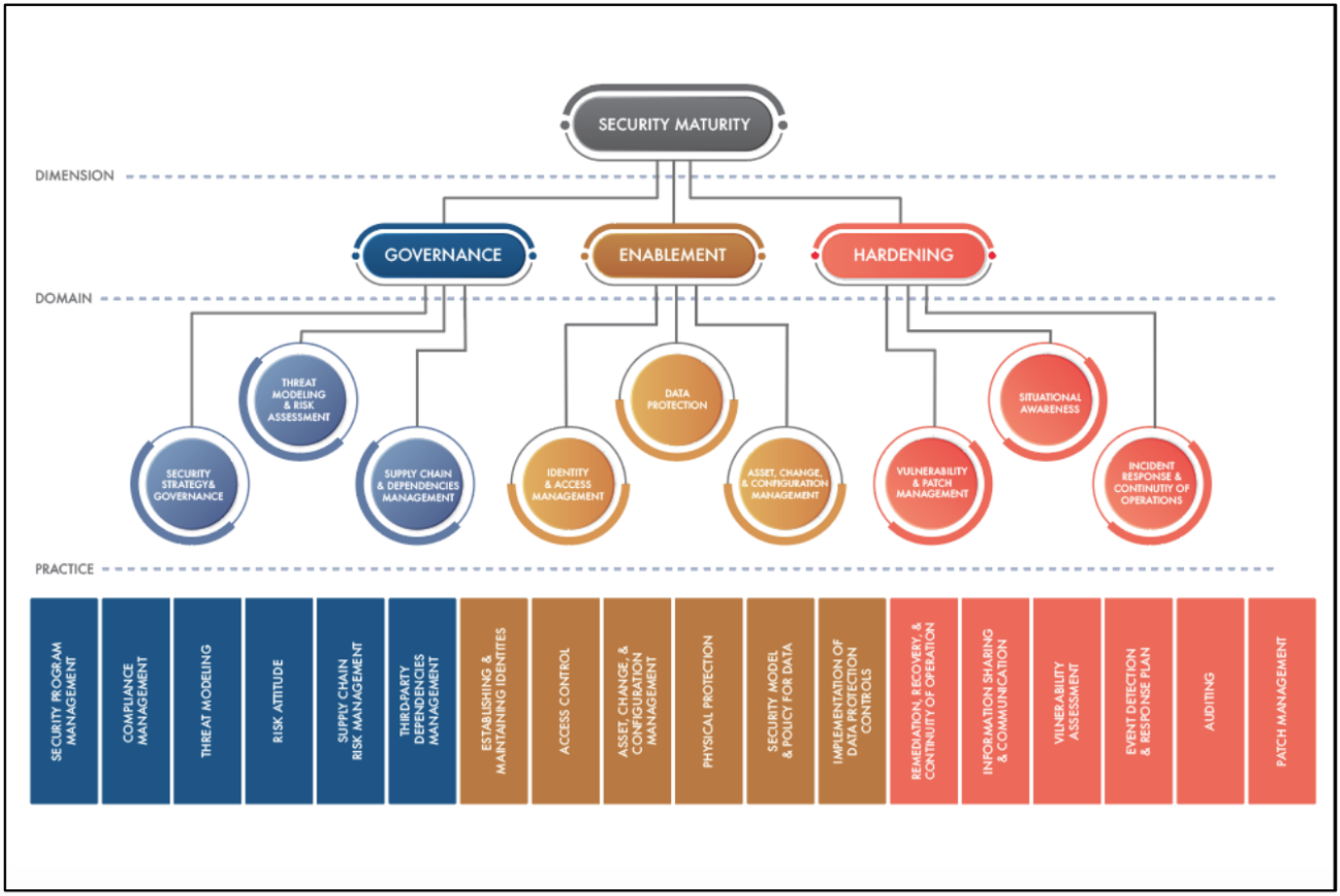
RTI Connext DDS Secure currently protects data in motion, and we are actively integrating support for data in use—through secure enclaves, trusted boot, and other mechanisms. By achieving end‑to‑end data protection, stakeholders can rely on the integrity of the information recorded on the blockchain.
Benefits of Enhanced Data Trust
- Process Automation – Confidence in data enables deeper automation of real‑time decision‑making, reducing costs and boosting performance.
- Risk Reduction – Robust data protection lowers the likelihood of cyber fraud, tampering, and mitigates legal and economic exposure.
- Business Trust – A tamper‑evident ledger reduces accidental or intentional fraud, fostering stronger commercial relationships.
- Accident & Litigation Clarity – Immutable operational records with verified provenance provide the ground truth needed to investigate incidents accurately.
- Additional Opportunities – From predictive maintenance to regulatory compliance, secure data unlocks numerous value‑add services.
Do any of these advantages resonate with your organization’s priorities? Share your thoughts in the comments below. As we advance our research, your feedback is invaluable.
Internet of Things Technology
- Blockchain in Industrial IoT: Foundations and Applications – Part 1
- Optimizing IIoT Connectivity with the Industrial Internet Reference Architecture
- Securing the Industrial IoT: A Practical Roadmap
- 6 Industrial IoT Solutions Driving Efficiency and Insight
- How Industrial IoT Sensors Drive Modern Factory Efficiency
- Future Outlook: Advancing Industrial IoT for Production Excellence
- Industrial IoT Security: A Next‑Generation Blueprint – Part 2
- Democratizing the Internet of Things: Next‑Gen Satellite IoT Brings Universal, Affordable Connectivity
- How Edge Computing Revolutionizes Commercial IoT Deployments
- Industrial IoT: A Reality Check on the Promise of Smart Factories