



Metal 3D Printing: 5 Cutting‑Edge Applications Transforming Industry
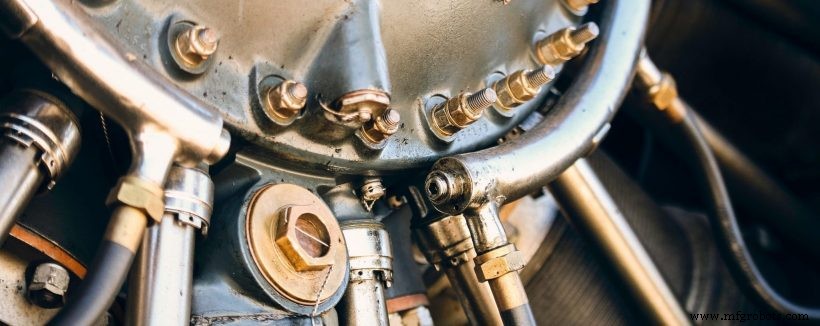
Metal 3D printing has surged in popularity, as highlighted by this year’s Wohlers Report. While not every production scenario calls for additive manufacturing, a handful of applications consistently demonstrate that metal 3D printing delivers superior design freedom, structural complexity, and cost savings.
Medical devices
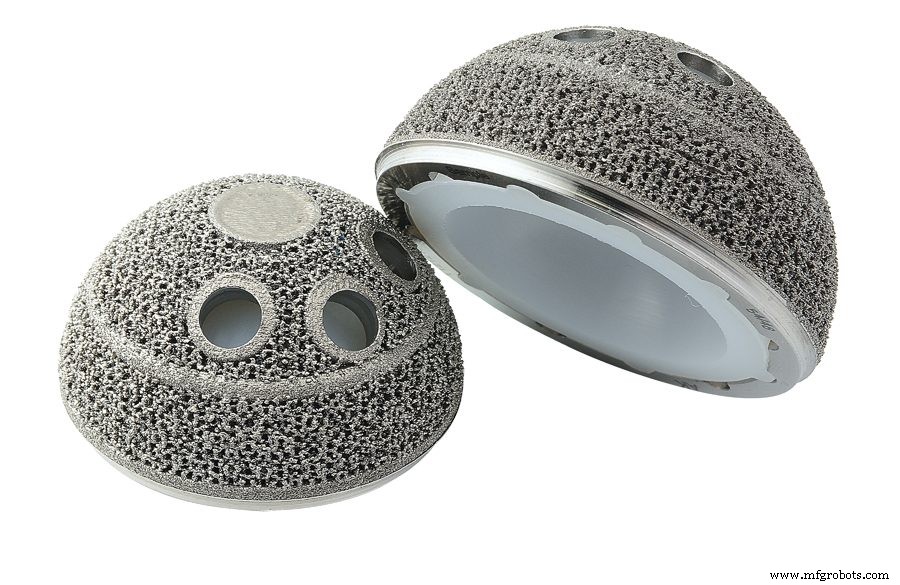
In medicine, 3D printing began as a tool for prototyping and surgical planning, but recent advances now enable truly personalized care. Metal 3D printing offers a low‑volume, cost‑effective path to custom, one‑off implants, prostheses, and dental components that are impossible or prohibitively expensive to produce with casting or machining.
Biocompatible alloys—titanium, cobalt‑chrome, tantalum—and precious metals—gold, silver, platinum—are all available for medical parts. A notable example is an Australian neurosurgeon who fabricated a titanium spinal implant that fit the patient’s anatomy precisely, relieving pain that off‑the‑shelf devices could not.
In dentistry, companies like Argen use metal powders to print bespoke restorations on demand, enabling small‑batch production that meets individual patient needs.
Aircraft components

The aerospace sector has embraced metal 3D printing to create lightweight, high‑performance parts such as impellers, heat exchangers, injectors, and combustor liners. Flight‑critical components undergo rigorous certification, yet many are already in service. For example, 3D‑printed titanium brackets are installed on Airbus’s A350 XWB, while Boeing plans to use printed structural titanium parts on its 787 Dreamliner.
GE is pioneering the use of additive manufacturing in engines. Its GE Catalyst turboprop includes more than one third of its components produced by 3D printing, streamlining designs from 855 parts to just 12. This simplification can cut fuel burn by up to 20% and boost power by 10%.
Jewellery
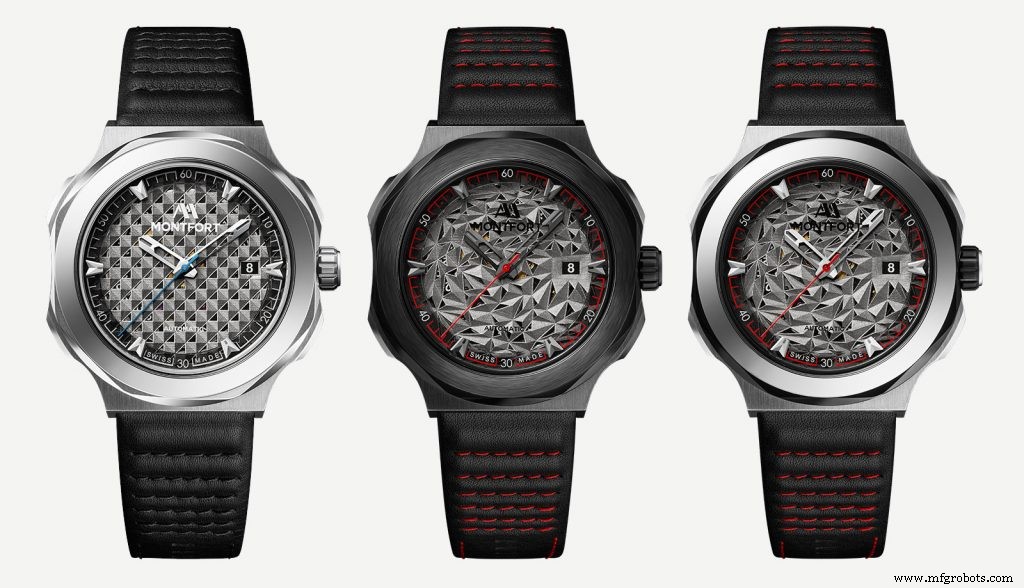
The jewelry industry leverages metal 3D printing to realize unprecedented designs, accelerate lead times, and reduce material waste—critical when working with costly precious metals.
Boltenstern used EOS’s PRECIOUS M 080 to produce its “Embrace” collection in gold and platinum, achieving a level of customization and geometric complexity that traditional methods cannot match. Montfort employed high‑precision metal binder jetting to craft steel dials for its Strata watches, enabling intricate shapes beyond conventional manufacturing.
Spare parts
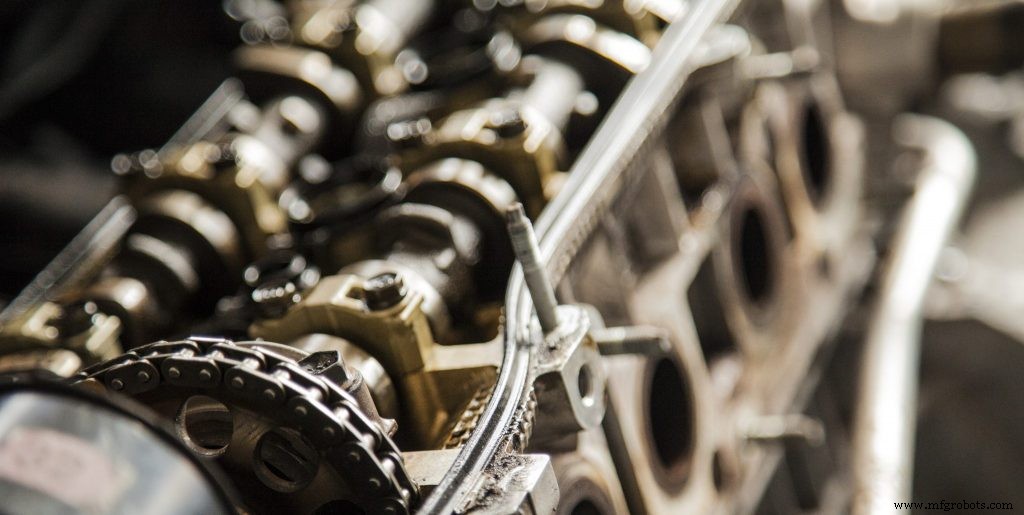
In sectors like oil & gas and defense, spare‑part shortages in remote or offshore locations can cripple operations. On‑demand 3D printing allows production of replacement parts at or near the point of use, slashing inventory costs and eliminating supply delays.
When a part no longer exists in stock, reverse engineering combined with metal 3D printing can produce accurate replicas of obsolete components at a fraction of the traditional manufacturing cost.
Tooling
Metal 3D printing also excels in creating tooling aids. Conventional mold cavities are built by CNC milling, a process that consumes material and time. Additive manufacturing fabricates molds only where material is needed, drastically cutting waste and shortening turnaround.
With additive techniques, designers can embed complex cooling channels directly into the mold, improving heat transfer and part quality. Conformal Cooling Solutions uses robotic deposition and tool steel to 3D‑print injection molds with conformal channels, reducing cycle time by 25% and enhancing product consistency.
Metal 3D printing: when is it the right solution?
Metal 3D printing shines when you need complex, bespoke parts that would be prohibitively expensive or impossible to make with conventional methods. Although still a relatively new technology, its proven benefits span medical implants, aerospace components, jewelry, spare parts, and tooling.
More on Metal 3D Printing
All You Need to Know About Metal Binder Jetting
A Definitive Guide to Metal 3D Printing
Creating Lightweight Parts with Metal 3D Printing
3D printing
- Desktop Metal’s BMD and Microwave Sintering: A New Era for Metal Additive Manufacturing
- H.C. Starck Launches AMPERPRINT®: New Gas‑Atomized Powders for Metal 3D Printing
- Key Design Principles for Optimizing Metal 3D Printed Parts
- 8 Cutting‑Edge Materials Driving Industrial 3D Printing
- 7 Innovative Ways Construction Companies Leverage Equipment Tracking
- 5 Cutting‑Edge 3D Printing Innovations Driving Sustainability
- Mastering Metal 3D Printing: A Comprehensive Guide
- 5 Powerful Use Cases for 3D Printing
- Top 5 Metal Powders for Advanced 3D Printing
- Top 5 Innovative Filaments Transforming FDM 3D Printing