



Why Gas Cylinder Cages Are Essential for Safety and Compliance
Gas cylinders should be treated with the respect they deserve – and put in a cage.
 A gas rupture can cause a huge explosion, possibly killing or maiming many people and certainly causing exceptionally costly damage to buildings, cars, trucks, equipment, and products nearby.
It’s therefore critical that all gas cylinders are stored in secure gas cylinder cages.
Yet merely placing the cylinder in the cage isn’t enough: cages can be bumped, pushed, knocked over, sometimes violently, and if a gas cylinder is inside it, it will move, too. And, depending on the force of the bump, the cylinder could collapse, rupture or (in a less-severe hypothetical situation) leak. At the least, the cylinder could fall out of its cage (if its door is unlocked).
Not something anyone wants to see happen.
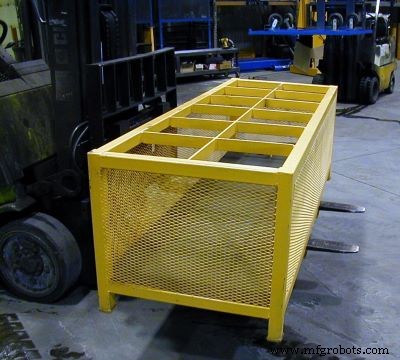
That’s why our gas cylinder storage cages come with a lockable latch, mesh sides and front for great ventilation and a solid roof that will protect the cylinders from damage.
A locking cage also means that only those employees who have the authority to handle a gas cylinder will be able to.
Make sure you store all gas cylinders in a cage in a well-ventilated area so that your employees, visitors and facility remain safe.
Industrial equipment
- Understanding the Four Key Components of a Gas Spring
- Why Electrical Safety Matters: Protecting Your Life and Work
- Why Facility Management Drives Industrial Success
- Boosting Productivity: Why It Matters & How to Achieve It
- Why a Warranty Matters: Protecting Your Manufacturing Equipment
- Why Regular Maintenance Is Critical for Construction Equipment Reliability
- Unlocking Solutions: How Root Cause Analysis Drives Sustainable Success
- Why Precision Matters: The Critical Role of Robot Accuracy in Production
- Why Water Matters: The Key to Sustainable Innovation
- Why the Layer Fan is Crucial for FDM 3D Printing Success