



Why Automated Material Handling Systems Transform Warehouse Efficiency
Material handling, transferring, packaging, and shipping are all crucial functions in any industrial warehouse. These materials could be individual components, parts in progress, or even ready-to-ship products or equipment to be assembled at the client side. There are certain challenges here when you need to do all this manually. These include accessing areas wherein humans can’t venture and safety issues and more. One solution to all these issues is implementing material handling automation systems. There are many advantages of material handling automation systems, which this post throws light on.
Challenges in Manual Material Handling
While there is no doubt that human workmanship is a crucial skill and good-quality craft has always been appreciated. However, automation has primarily become significant because of the demand for increased production value in less amount of time, which manual processes cannot match up to. To cope with the increased volumes, workers may have to do two or three shifts. Although more workers may be hired for the job, machines are utilized constantly leading to early wear and tear.
Safety of workers is often jeopardized in manual processes although there are legal standards set for the same. Another important point is consistency in design and structural parameters of the product. Although there are standards set for designs and other parameters such as size, weight, dimensions, and so on, human errors are likely to happen which may or may not be noticed. Typically, in a warehouse, there are certain areas which are inaccessible or risky for humans to venture. There may be certain equipment or parts stored on top of shelves which need to be removed. Considering all these aspects, automation in material handling has gained prominence in recent years. Automation has only one drawback that is loss of opportunities. However, to avoid such situations it is essential that workers upgrade themselves with new skills periodically.
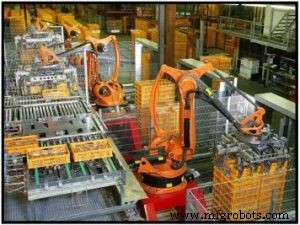
Benefits of Automation in Material Handling Systems
There are several benefits of automated systems for material handling in warehouses and production floors.
-
- Equipment such as forklifts and carriers can be partially or fully automated as it reduces human intervention and in turn risk of accidents. Also, they possess the capacity to carry material or machinery load and unload it, all in one go.
-
- Although automation may seem like a huge initial investment, it saves costs in the long run as it may consume lesser energy than before, saves time, and increases production.
-
- Workers do not have to work extra hours and can spend that time upgrading their skills.
Automation helps reduce the lead time and in turn the time-to-market for finished goods, primarily because it increases the speed of production without compromising on the quality.
- The main benefit of automation though is increased interconnectivity. You can connect your warehouse to your manufacturing unit. You would immediately get to know the status of your inventory, quantity and state of each part, and where and how they are positioned among many other things. This helps you reduce scrap, plan your inventory better, and again save costs.
Are you looking to replace your legacy equipment? Also, you can think of buying used industrial equipment of good quality which will save on costs. If yes, it is crucial that you buy it from a known supplier. There are many reliable sellers and brokers of new and used automated equipment such as JM Industrial. The company provides unused and used material handling systems from industry-leading brands at much reduced prices.
Industrial equipment
- Mastering C# Exception Handling: Strategies & Best Practices
- 5 Key Material Handling Industry Trends to Watch in 2019
- Mastering Material Handling Safety: Best Practices for Efficient, Risk‑Free Operations
- Discover 4 Key Advantages of Upgrading to Automated Cranes
- Top 3 Benefits of Molded Friction Materials for Industrial Brakes
- How a Robust Inventory Management System Boosts Small Business Efficiency
- Unlock Efficiency: 6 Key Benefits of Pallet Racking Systems
- Four Key Benefits of Lightweighting for Energy Efficiency
- Understanding Material Handling: Key Concepts & Best Practices
- Key Design Factors for Efficient Bulk Material Handling Conveyors