



Understanding How Electric Linear Actuators Operate
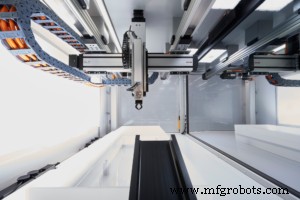
Pushing. Pulling. Lifting. Ejecting. Clamping.
If the function is a straight line movement, then chances are your equipment is utilizing a linear actuator to get the job done.
Electric linear actuators are very commonly used in industrial equipment and machine tools to carry out straight line tasks. They’re an essential component in facilitating the factory of the future and Industry 4.0 for their reliability, versatility, flexibility and durability. In this post, we’ll take a closer look at what a linear actuator is, how its functioning is essential, the various types of linear actuators and how they’re driven. Here’s a closer look at these components:
What is a Linear Actuator?
Let’s start by discussing just what a linear actuator is. Simply put, it’s an actuator where movement is in a straight path. Linear is one of the two main types of motion that actuators create. In fact, in addition to being defined by the power source they use, actuators are often characterized as either linear or rotary. Any piece of equipment that involves motion in a straight line likely incorporates a linear actuator. Some of the benefits of linear actuators include their precision, high level of repeatability and accuracy. Linear actuators also tend to last for a long time and are known for their versatility. Furthermore, they’re often maintenance friendly, ideal in demanding environments and compact in design.
Where Linear Actuators are Commonly Used
Like we said in the above section, any piece of equipment or device that involves motion in a straight line typically uses a linear actuator. They’re ideal for equipment that includes tasks such as lifting, lowering, pushing and pulling. Some common applications include equipment in packaging, automation, food and beverage, material handling, automotive and the clean energy industries, among others. Simply put, linear actuators are designed to move payload in a straight line, rather than in a uniform circular motion.
How Electric Linear Actuators are Driven
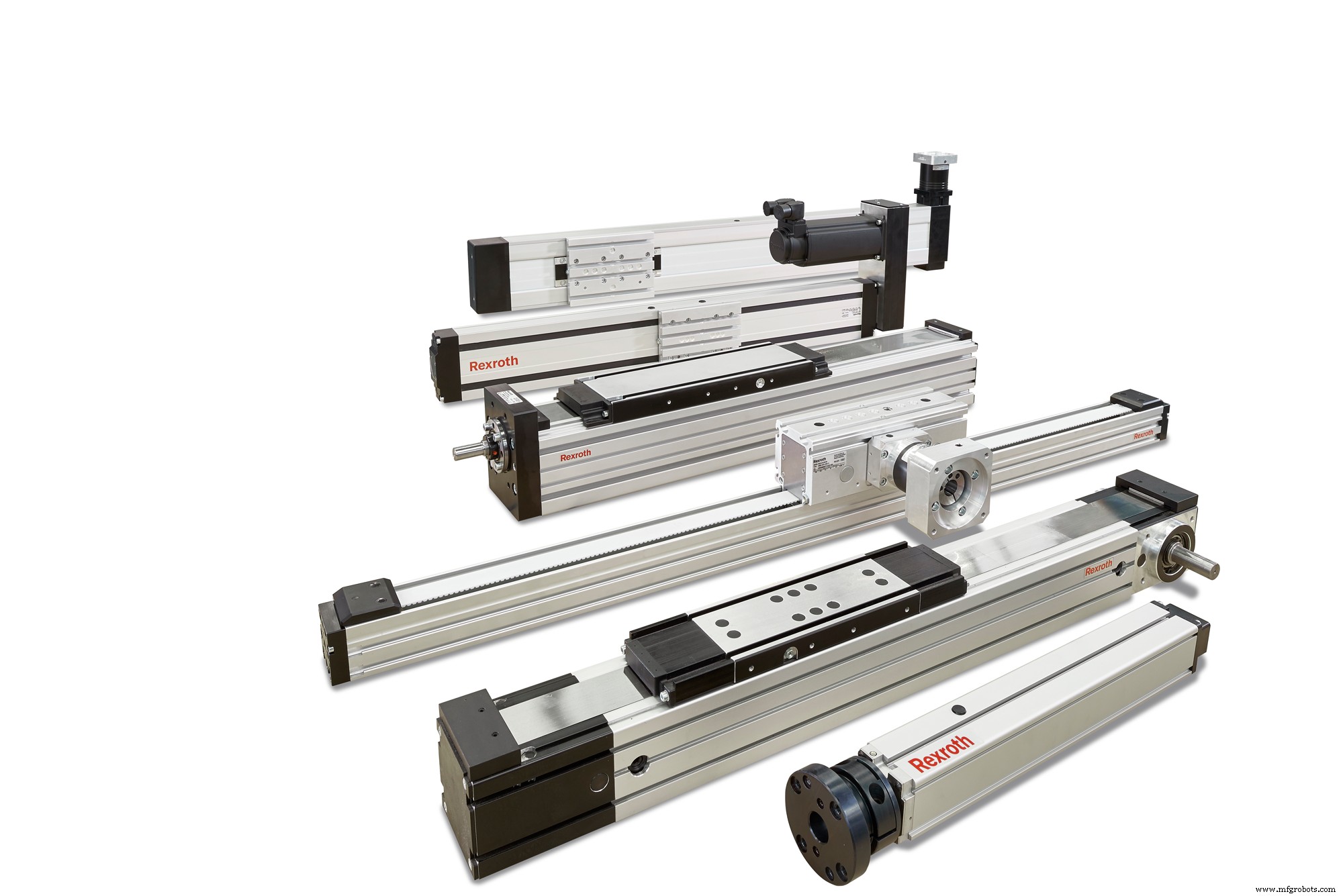
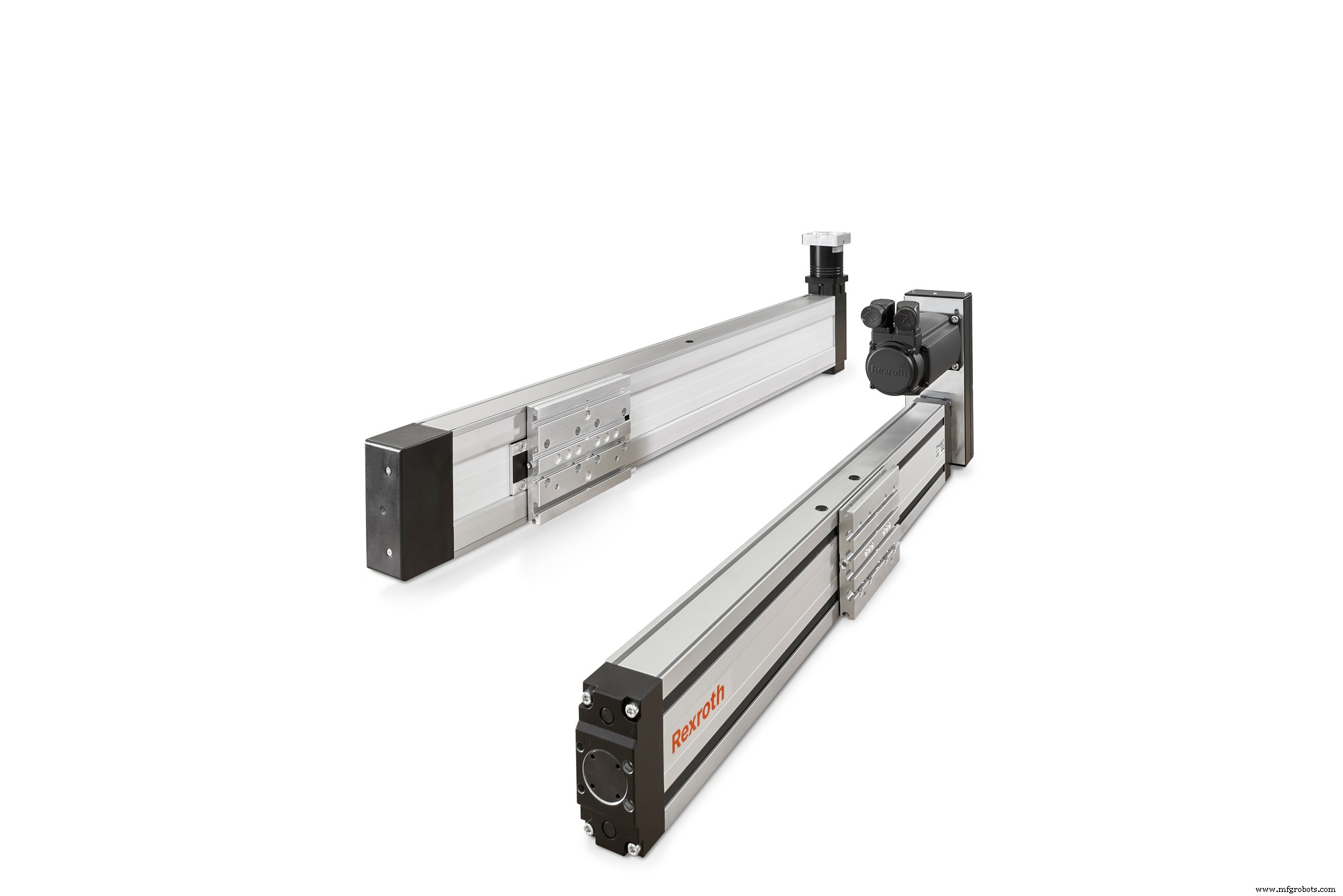
Electric linear actuators move by converting energy into force. Linear actuators create this linear motion by implementing one of three technologies:
- A linear motor
- A belt drive
- A ball screw drive
Let’s take a closer look at each of the three:
Linear Motor
Widely recognized as the most efficient method of transmitting energy into motion, linear motors are also among the most common types of actuators that are utilized today. The advantages of this type of linear actuator include its high degree of efficiency and how technologically advanced the assembly is. Disadvantages include higher comparative costs and difficulty operating in certain situations.
Belt Drive
Belt drive linear actuators are more affordable – and they work at high speeds. In a belt drive assembly, the motor is actually separated from the drive, which can result in a greater thrust speed compared to other types of linear actuators. On the downside, these actuators are a bit less accurate than others and can wear faster over time.
Ball Screw Drive
This type of actuator incorporates recirculating ball bearings that rotate around a screw, thereby driving the load via rolling balls. It’s a very high-precision and low-friction makeup, and it can excel in various applications.
Power Source
As the name implies, electric linear actuators are powered by electricity via a standard power cord. However, there are a variety of other linear actuators that run on other power sources and are described by the energy source that is used to drive loads. These actuators may be described as hydraulic, pneumatic or even thermal and magnetic.
As the name implies, hydraulic actuators rely on hydraulic power to create motion.
A pneumatic actuator, which may also be known as an air actuator, uses compressed air as the energy source to facilitate movement.
Contact JH Foster Today
For more information on linear actuators, how they function and what type of actuator is best for your application, contact JH Foster today. At JH Foster, we know how important it is to automate processes in today’s industrial environment, as doing so can streamline efficiency and productivity and truly help usher in the factory of the future. Linear actuators play a large role in helping equipment achieve these goals. Contact us today for more information.
Industrial equipment
- Choosing the Right Actuator: Electric vs. Hydraulic Solutions for Industrial Automation
- Electric Actuators: Driving Efficiency in Industrial Automation
- Choosing the Right Actuator: Rotary vs. Linear Electric Actuators Explained
- Electric vs Pneumatic Actuators: Selecting the Ideal Power Source for Industrial Automation
- Selecting the Ideal Pneumatic Actuator: A Practical Guide for Reliable Automation
- Understanding How Electric Linear Actuators Operate
- 10 Key Benefits of Electric Linear Actuators
- Electric Actuators: A Comprehensive Overview
- Understanding Electric Brakes: How They Operate and Why They Matter
- Choosing Between Electric and Hydraulic Linear Actuators: Which Is Right for Your Application