



Cereal Crops Explained: Rice, Wheat, and Corn – The Backbone of Global Food Supply
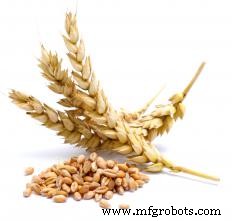
Cereal crop, or grain crops, and are an important food source in many parts of the world. While there are different varieties of these crops, all are grass plants that contain an edible seed or kernel, called a caryopsis. Grain crops can be processed in different ways to form food such as bread and pasta. The three most common types of cereal crops are rice, wheat, and corn.
The term "cereal" comes from Ceres, the Roman god of agriculture. As this name suggests, cereals are a vital part of the farming and agriculture industries in many countries. Cereal crops are classified as staple foods, which means that they are a significant part of the human diet and are regularly eaten for their high energy content.
All true cereal crops belong to the Poaceae grass family. These plants are often purposely planted in large fields. When the grass is fully grown, it can be harvested by hand or using agricultural machinery. The kernels found on a Poaceae grass plant are high in nutritional content, and can either be eaten whole or ground into derivative products, including flour.
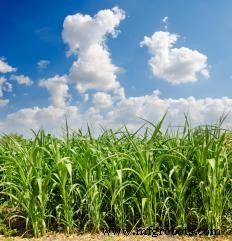
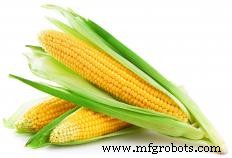
Corn is the most widely produced of the cereal crops. This crop is commonly called maize in many places, such as Africa and South America. A corn plant has a tough bamboo-like stalk and large green leaves. The top of a mature corn plant holds a large cob containing many kernels, which can eaten raw but are commonly separated from the plant and cooked.
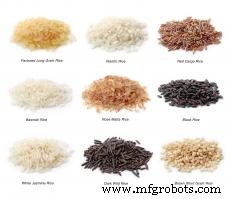
The second most produced of all cereal crops is rice. A large percentage of people living in Asia and the Middle East consume rice as an everyday food source. It is estimated that one-fifth of all calories consumed worldwide come from rice products. Rice plants have long, thin leaves and are able to grow almost anywhere with high rainfall. Individual grains of rice are usually removed from the plant, and eaten as brown rice or further refined into white rice.
Wheat is the third most common of all the cereal crops. People in the North American, European, and oceanic regions of the world eat a vast amount of wheat products. This crop has more natural protein than corn or rice, and represents the top source of vegetable protein for all humans. Like the rice plant, a wheat crop has long tapered leaves. Wheat grain is typically stripped from the fully grown grass plant before having the outer husk stripped or ground into flour.
Industrial equipment
- The Ultimate Guide to Nail Types: Understanding Every Variety
- The Four Core Types of Steel Explained
- Types of Sandblasting Media: Choosing the Right Material for Your Project
- Understanding the Various Roles of Factory Workers
- A Comprehensive Guide to Propane Fittings: Types, Uses, and Safety
- Exploring the Essential Hand Tools Every Carpenter and DIY Enthusiast Should Know
- Understanding Refrigerant Gases: Types, Functions, and Environmental Impact
- Explore the Different Types of Plumbing Fixtures: A Comprehensive Guide
- Types of Roof Access: Stairwells, Hatches, and Attic Entry
- Exploring Perennial Crops: Types, Benefits, and Commercial Potential