



Maximize Efficiency: Expert Guide to Choosing the Right Excavator Attachments
Cat® excavator attachments help owner-operators get the most out of their investment in heavy machinery, providing valuable tools to maximize productivity, minimize efforts and ensure adequate safety on the job.
This excavator attachments guide covers the top work tools that help excavator owners get the highest performance out of their machines. We also offer some tips on how to choose the right attachments for your line of work and detail the steps to safely change your work tools. You’ll also learn why Cat attachments give you a competitive advantage by providing you with a total systems solution.
What Is an Excavator Attachment?
Excavators are highly versatile, rugged and high-performing pieces of construction equipment, relied upon for digging, trenching, grading, drilling and more. Though excavators are impressive machines on their own, the key to leveraging the productivity and versatility that the excavator provides is choosing the right work tool to attach to your excavator.
Operators can swap out excavator attachments depending on the nature of the work they’re performing. Excavator attachments range from simple tools like a standard material bucket to specialized tools for gritty work, such as demolition, shearing or pulverizing. Excavator attachments also come in a variety of sizes, configurations and power ratings, allowing equipment owners to match work tools to their excavator to get the maximum performance possible.
Types of Excavator Attachments
Though excavators are primarily used as earthmoving machines, thanks to the variety of work tools available today, they can tackle a host of jobs across a range of industries and settings. From demolition to concrete cutting to landscaping to utility installations, excavators can do it all once equipped with the right type of attachment.
Before investing in new work tools, explore the following attachments for Cat excavators to ensure you select the most useful one for your needs.
Buckets
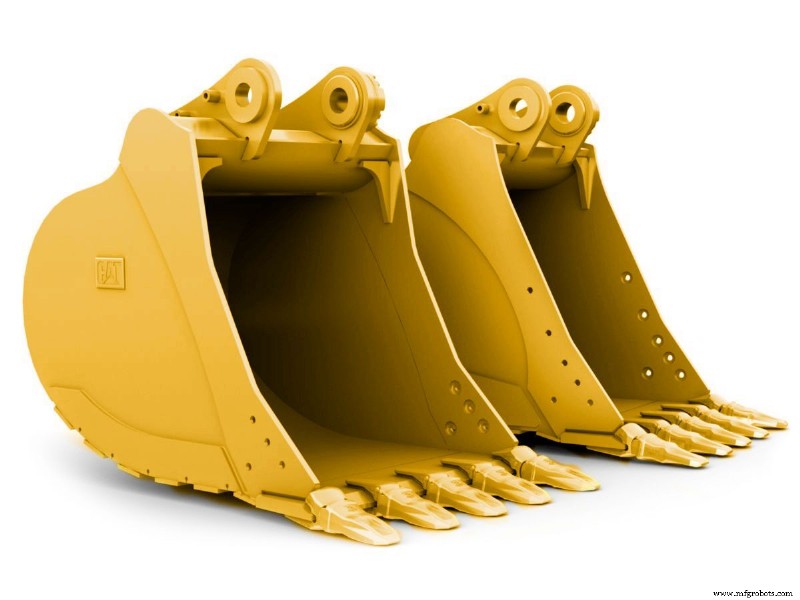
A bucket is one of the best attachments for your excavator because of its multi-purpose abilities. With excavator buckets, you can take on the following range of light to severe duties:
- Dig up earth for foundations, in-ground pools and other installations
- Perform lot grading, leveling and backfilling
- Haul away brush and debris and carry landscape and backfill material
- Clean up job sites and work areas by removing rock and debris
- Remove debris and blockages from ditches and trenches
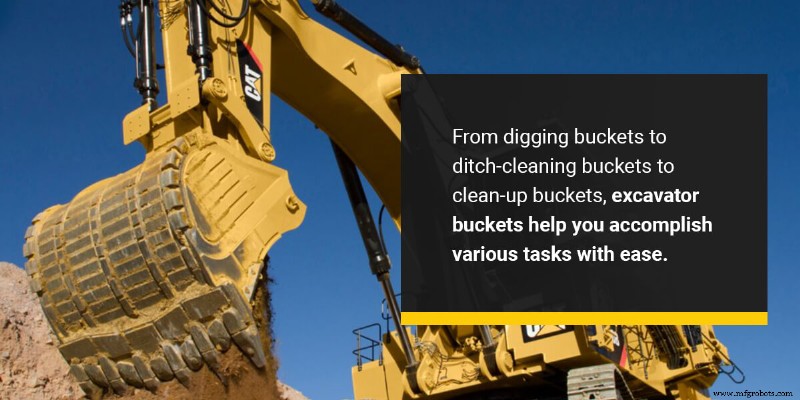
Caterpillar manufactures several types of buckets designed for specialized applications. From digging buckets to ditch-cleaning buckets to clean-up buckets, excavator buckets help you accomplish various tasks with ease.
Thumbs
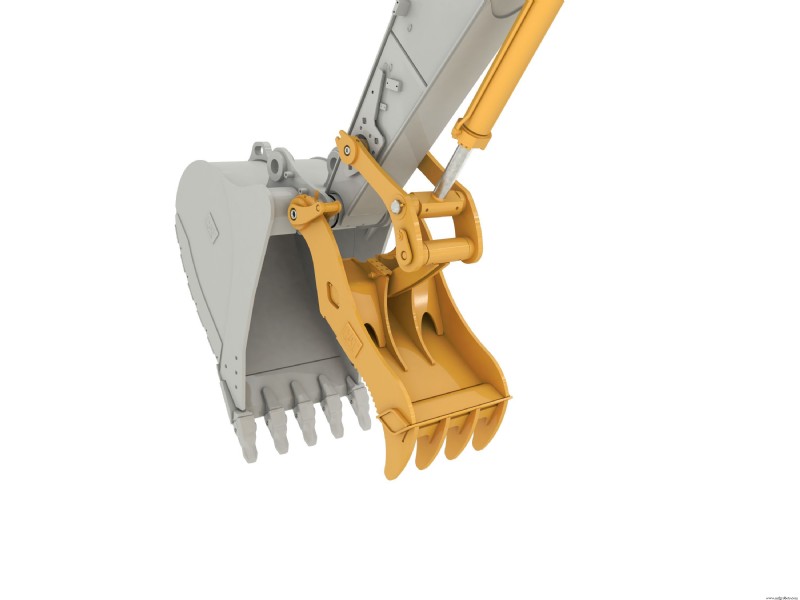
Excavator thumb attachments provide operators with precision control when hauling material, loose debris, rock and other bulky items. Thumbs are an opposing attachment that work with the excavator bucket to allow operators to pick up and hold working materials better. Use a thumb whenever working with material that doesn’t fit securely into an open bucket.
As with excavator buckets, thumbs come in a variety of configurations designed for special applications. Thumbs can either be mechanical or hydraulic. Mechanical or stiff-link thumbs are set manually but are compatible with other hydraulically powered attachments. Hydraulic thumbs provide superior control and precision, allowing operators to grab materials of different sizes and adjust the grip accordingly.
Grapples
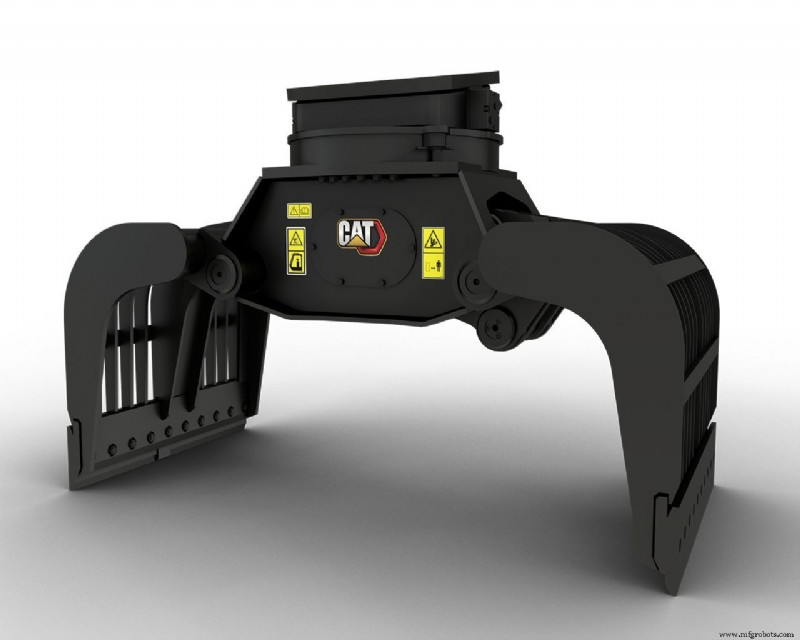
A material handling alternative to a thumb attachment is the grapple attachment. Grapples are particularly useful in demolition work, where operators need to sort through vast amounts of material and debris. When you need to load vegetation, brush and other material after lot clearing and site preparation, grapples make the job much more efficient. Grapples are also used in forestry to move logs, as well as in industrial applications to carry pipes.
Grapples work like a jaw, with a rigid main structure and two moving jaws on either side of the frame. The frame itself is typically mounted to another component called a rotator, which allows operators to turn grapples in the optimal position for picking up the working material.
Hammers
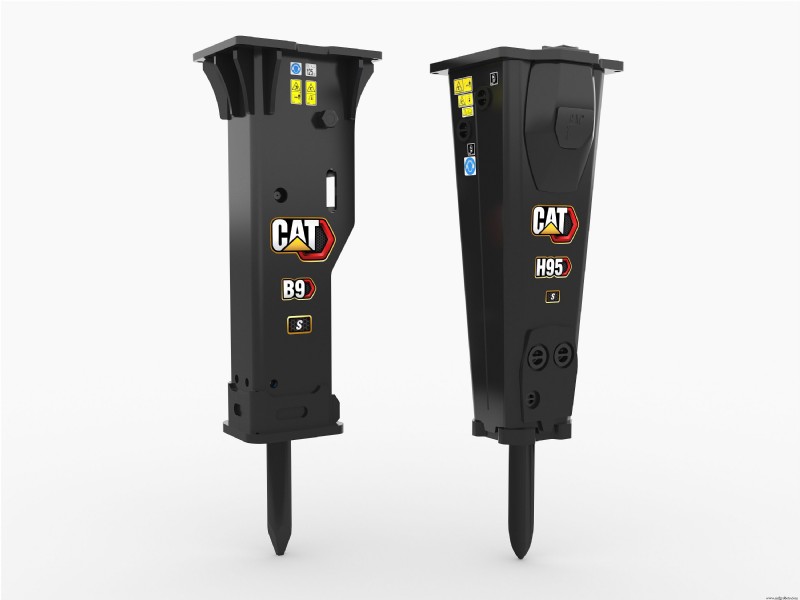
When you need to break through solid material, such as concrete, rock or steel, hammer attachments for excavators are up for the job. Delivering high-impact breaking force, hammers come in different blows-per-minute capacities, depending on the material you’re working with and your production needs. High-capacity hammers can deliver 1,000 blows per minute.
Hammer attachments offer a way to break up materials in tight spaces, delivering precision when you need to reach a particular area of a structure for renovations or upgrades. They’re also useful when preparing a site for new construction or in quarry and mining operations.
Compactors
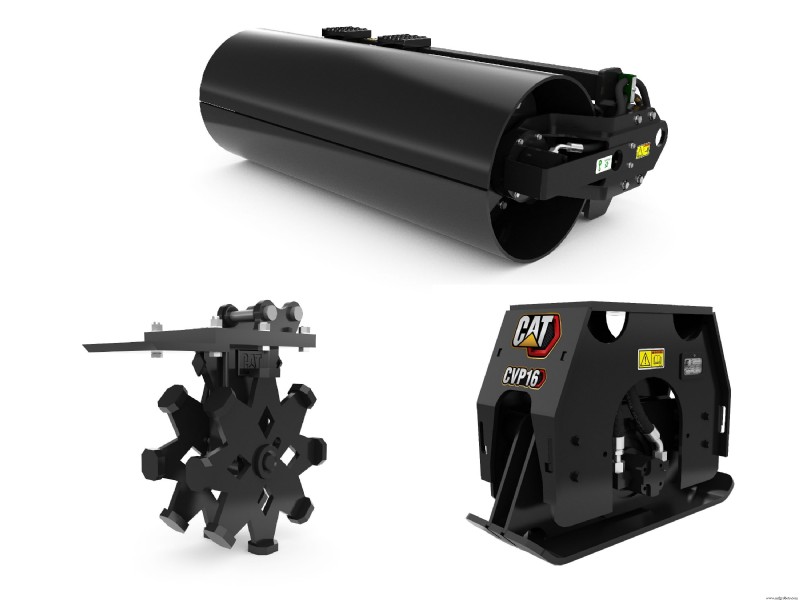
Compactor attachments provide a way to build solid platforms for construction, including roadbuilding, trenching and embankments. With a compactor attachment, operators can compact soil and other loose materials quickly and efficiently.
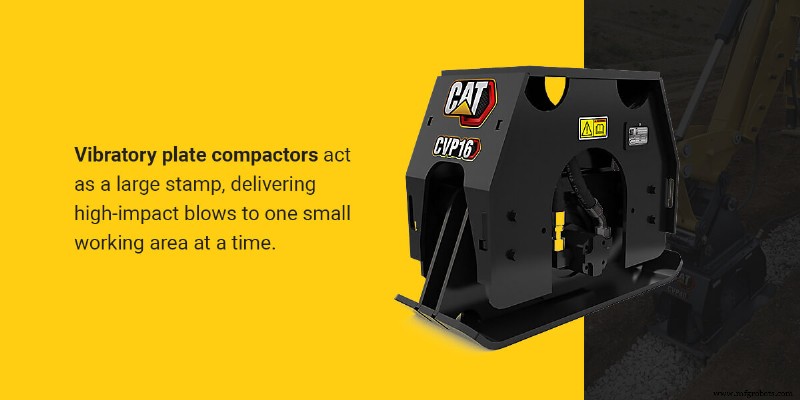
Cat compactors come in a vibratory plate or drum configuration. Vibratory plate compactors act as a large stamp, delivering high-impact blows to one small working area at a time. Vibratory drum compactors roll over a working surface like a rolling pin. A third type of compactor is a wheel compactor, which uses the machine’s weight to apply downward force that compacts the soil.
Shears
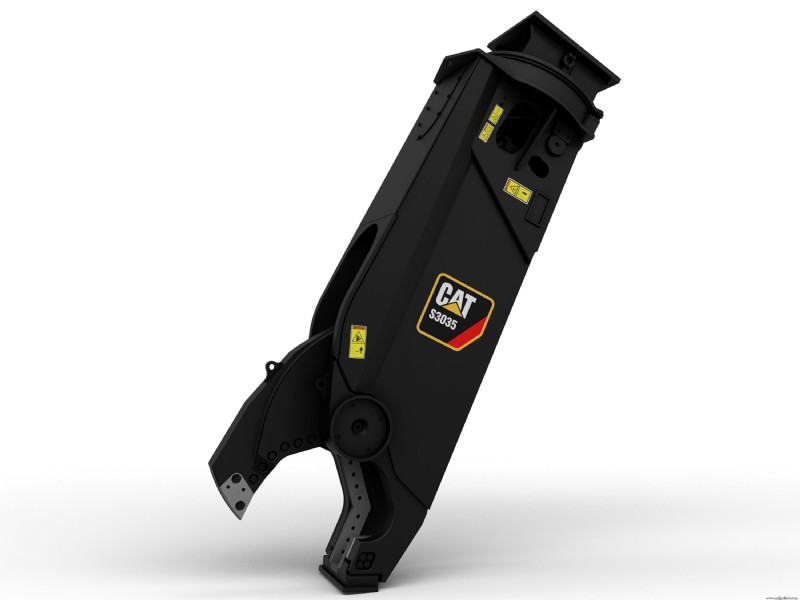
Shears are high-performance ripping and shredding attachments used in demolition capacities. With high-powered jaws, shears can cut through solid materials like structural steel, rebar, scrap metals and other building materials. Equip your excavator with shears during primary or secondary demolition applications, whether it’s during building demolition, in junkyards or for automobile or aircraft demolition.
Cat shears come in different lengths and configurations, with some providing 360-degree rotation for further precision material shearing.
Multi-Processors
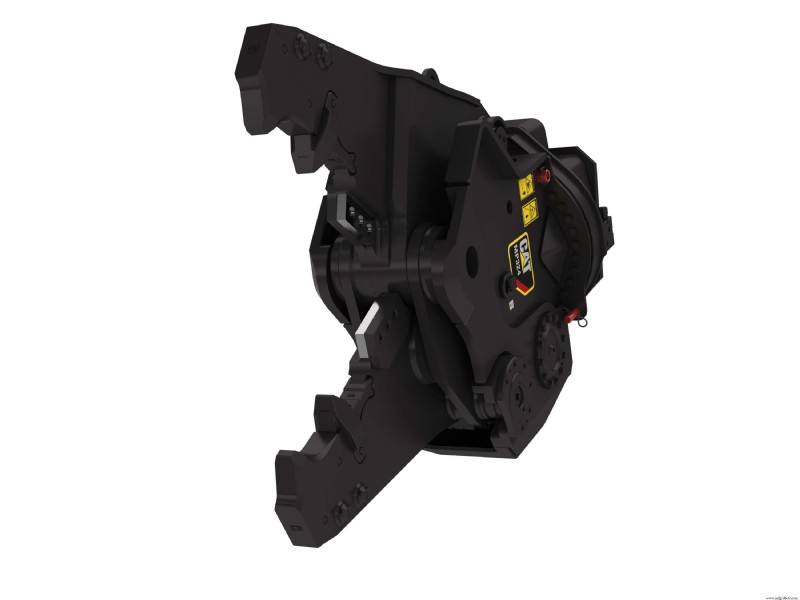
Multi-processor attachments act as powerful jaws that cut and break apart materials during demolition. Multi-processors provide a set of interchangeable jaws that offer extreme versatility, capable of performing numerous types of demolition tasks.
Use multi-processors for cutting, shearing and pulverizing to get a convenient all-in-one work tool. When equipping your excavator with a multi-processor, you can maximize your machine’s performance by increasing its utility. The result is greater productivity, reduced downtime and minimized operating costs.
Pulverizers
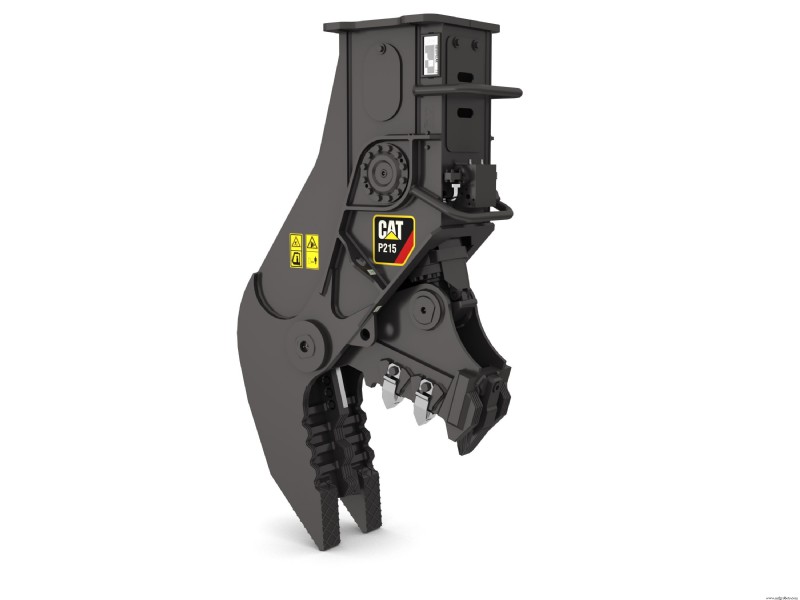
Pulverizers are another high-performing demolition work tool for your excavator. These attachments crush up demolished materials to make them easier to separate from other salvageable material that gets preserved or recycled.
Caterpillar manufactures two types of pulverizers — one for primary demolition and one for secondary demolition. Use primary pulverizers for the initial demolition of buildings, bridges and other structures. Apply secondary pulverizers when you need to strip out usable materials or when processing previously demolished parts.
Couplers
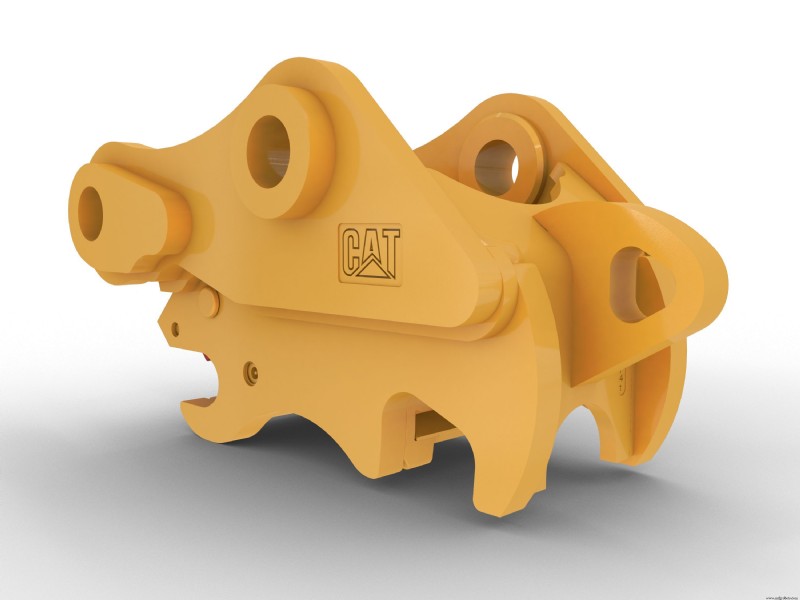
Couplers for excavators make it easy to change between work tools to save you time and energy. Quick coupling reduces costly downtime, makes production efficient and improves worksite safety.
Using a quick coupler is ideal for projects where excavator operators are performing different types of jobs frequently. When you need to shear a building for demolition and hammer out its concrete foundation, a quick coupler allows you to transfer between these two applications seamlessly.
Quick couplers range in features from simple mechanical coupling and pin-grabber couplers to hydraulic couplers, offering varying degrees of speed and efficiency.
Shop Cat® Attachments
5 Tips for Choosing Excavator Attachments
Knowing which attachments are available and how they each work is only part of the decision-making process. It’s equally important to consider the different sizes and configurations available that match your machine’s model.
Before you select your next work tool, review the following tips for choosing attachments for your excavator.
1. Choose the Right Configuration and Size
The same type of attachment can come in multiple different configurations, sizes and capacity ratings. By selecting the right configuration, you can maximize the capabilities of the tool itself as well as the machine. For example, certain configurations maximize torque to increase the amount of pressure applied during the use of a work tool, like a hammer or compactor.
Depending on the type of attachment, it may also come in different sizes, including depths, lengths and working widths. Choose the right size of attachment to match the size of the worksite and the digging or cutting needs.
2. Match Power and Hydraulic Flow Ratings
Matching the hydraulic ratings between your attachment and machine is essential to delivering high performance power, lifting, tilting and other functions. Hydraulic machines are rated as low-flow, standard-flow or high-flow, which may differ slightly between manufacturers.
With Cat excavators, high-flow machines are designated to work with high-flow work tools that maintain a high maximum pressure of more than 26 gallons per minute and 3,300 psi. Low- and standard-flow hydraulics supply 22 gallons per minute or less. While you can use standard-flow attachments on high-flow rated machines, you cannot use high-flow attachments on standard-flow machines.
Certain attachments don’t require any power to operate and are instead powered by the hydraulic unit on the excavator’s stick.
3. Consider a Counterweight
One essential aspect of excavator operating to keep in mind is the possibility of destabilizing the machine due to the weight being positioned in one direction while working. Attachments only add to the weight on the machine’s front end, leading to a potentially greater risk of destabilizing the equipment.
Counterweights can be added to the machine to oppose the front-heavy weight of the machine’s stick-and-arm configuration with an added heavy attachment. Using counterweights makes it safer to operate the equipment, and it also helps increase the performance of your machine by preventing drag and extra movement that needs to be compensated for.
4. Use a Quick Coupler
When selecting the right attachment for your excavator and your projects, choose an attachment based on the type of coupler you will be using. Couplers are designed for production-heavy businesses that want the fastest and most efficient way to maintain high performance consistently. When you need to move between different sizes of buckets or change tasks altogether, couplers help you maintain a steady pace.
Quick couplers, in particular, are becoming increasingly popular because these hydraulic components provide the fastest way to switch between work tools. By using a quick coupler, operators can swap out attachments from the cab without having to exit the machine and manually switch tools or secure them with pins.
5. Get Expert Advice
Finally, when choosing your excavator attachments, it’s always best to consult a trusted equipment expert. Equipment specialists can take into account various factors about your type of excavator, the kind of project work you’re involved in, as well as other considerations like future business goals and budget.
Equipment experts at your local Cat dealer can help you determine which type or size of attachment you need, whether you need to consider a counterweight or even adjust your stick and boom configuration to maximize the performance of your excavator and work tools.
How to Change Excavator Attachments
When changing excavator attachments, follow the below steps:
- Ensure the excavator's arm is pointed in the down direction, with the installed attachment resting on the ground and facing square to the machine.
- To release the current attachment, switch the quick coupler button to the release setting. Curl the excavator's arm and then slowly release it back on the ground to break the attachment away from the coupler.
- To attach the new work tool, position the attachment and machine square to each other. Lower the excavator’s arm toward the attachment and curl the arm upward in line with the lugging of the new attachment. Switch the quick coupler hydraulic switch to the locking position.
- When using a manual coupler, exit the cab and engage the attachment by hand via the bolts.
- Verify that the attachment is securely in place and seated properly. Tilt the work tool downward, add pressure to it or drag it across the surface to ensure it is properly engaged and there’s no movement.
To guarantee that the tool is properly secured, always take time to visually inspect that the tool is attached — even when using an automatic quick coupler.
Why Choose Cat® Excavator Attachments?
Caterpillar is a world-leading manufacturer of heavy machinery, construction equipment and work tool attachments. Cat excavator attachments offer the following advantages for your business:
- High-performance design: Cat attachments are designed to harness your excavator’s hydraulic power, delivering a high-performance system that can tackle the toughest jobs. High-performing excavator attachments are reliable and economical to operate, giving you the efficiency that’s proportionate to the project at hand.
- Specialized work tools: The wide availability of Cat attachments for your excavator provides operators with a total systems solution. Tackle any job, from basic material hauling to precise drilling and trenching with specialized work tools designed for excavating work.
- Increased productivity and return on investment (ROI): By leveraging your machine’s maximum performance with the optimal tools for the job, you reap the benefits of increased productivity and a higher ROI. With the best excavator attachments for the project, you’ll work more efficiently with lower downtime, generating higher profit margins on your projects.
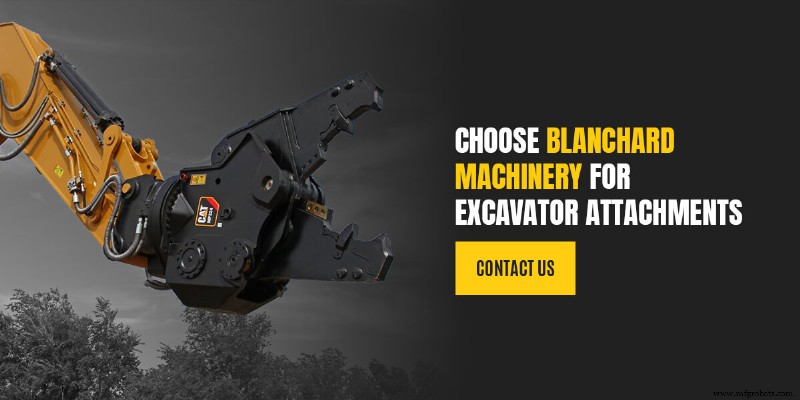
Choose Blanchard Machinery for Excavator Attachments
Invest in the best excavator attachments for your machine and business at Blanchard Machinery. As a trusted leader in heavy equipment throughout South Carolina, Blanchard Machinery is committed to delivering high-quality products along with knowledgeable support and expertise. Browse our inventory of new and used equipment, including our excavator attachments for sale.
Work with our equipment specialists to find the right work tools for your machine. Contact Blanchard Machinery today to request a quote on excavator attachments. Call us at 844.252.6242 or visit one of our Blanchard Machinery locations near you.
Industrial equipment
- Optimizing Work Management: Planning, Scheduling, and Reliability
- Volvo's Top 5 Excavator Attachments & Modifications
- Choosing the Right Industrial Brakes for High-Heat, High-Pressure Equipment
- Understanding Hydraulic Cranes: How They Operate and Why They're Efficient
- Understanding Brake Calipers: Function, Types, and Maintenance Tips
- How Disc Brakes Work: A Complete, Easy-to-Understand Guide
- Eddy‑Current Brakes Explained: How They Work and Why They Matter
- Safeguarding Workers from Heat Stress: Risks, Prevention, and Best Practices
- Maximize Your Heavy Equipment: The Ultimate Compact Attachment Guide
- Maximize Efficiency: The Ultimate Skid Steer & Compact Track Loader Attachment Guide