



Push‑Pull Knobs: The Expert’s Guide to Selection, Installation, and Applications
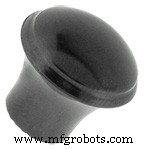
Industrial knobs come in a range of designs, from the classic lobed style to the streamlined push‑pull variety. Unlike their rotating counterparts, push‑pull knobs are engineered for linear motion—moving in, out, forward, back, up, or down—without rotation. This makes them ideal for precise, repeatable control in demanding industrial environments.
What Exactly Are Push‑Pull Knobs?
Push‑pull knobs are specialized actuators that slide along a fixed axis. They are frequently used to operate mechanical devices that require a linear, rather than rotational, input. The knob itself is typically a smooth, circular or slightly tapered body that is easy to grip.
Typical use cases include:
- Latches and locks
- Airflow and ventilation controls
- Valve actuation
- Mechanical linkages and cable assemblies
- Disconnect and safety interlocks
- Access panels and enclosure controls
- Appliance switches and HVAC equipment
Why Opt for Push‑Pull Knobs?
Push‑pull knobs deliver several key advantages that translate into safer, more reliable operation:
- Ergonomic operation: Designed for a firm grip, they allow operators to push or pull with minimal effort, reducing fatigue.
- Tactile feedback: The linear travel provides a clear “click” or resistance point, ensuring the operator knows precisely when the device is engaged or disengaged.
- Reliability: Unlike electronic controls, push‑pull knobs are mechanical. They do not rely on software or power, lowering the chance of failure in harsh environments.
- Durability: Their construction materials withstand heat, chemicals, and mechanical stress, extending service life.
Materials Commonly Used in Push‑Pull Knobs
Material choice depends on the operating environment:
- Phenolic (phenol‑formaldehyde resin): A thermoset plastic known for its high strength, excellent heat resistance, and chemical stability.
- Stainless steel (≥10.5% chromium): Provides superior corrosion resistance through the formation of a passive oxide layer, making it suitable for outdoor or chemically aggressive settings.
- Other options include aluminum alloys and reinforced polymers, often chosen for specific mechanical or electrical requirements.
Installation: Threading and Mounting Options
Push‑pull knobs are designed for straightforward installation:
- Interior threading: The knob’s body is pre‑tapped, allowing you to screw it directly onto a threaded rod or shaft. Ensure the rod’s pitch and diameter match the knob’s internal thread.
- Exterior threading: Some models feature a threaded flange. These require a corresponding threaded hole in the equipment or a threaded bracket.
- Regardless of threading type, verify the thread size and tolerance to prevent cross‑threading and ensure smooth operation.
By selecting the right material, understanding the application, and following proper mounting procedures, push‑pull knobs can provide reliable, user‑friendly control for a wide range of industrial systems.
Industrial equipment
- 5 Key Signs Your Crane Needs a New Part – Stay Ahead of Downtime
- Millsite Engineering's SmartLathez: Precision CNC Lathe with Electric Turret for Multi‑Operation Efficiency
- Essential Forklift Features for Optimal Shop Performance
- High-Speed Coil-Fed CNC Turning Machine for Precision Small Parts
- Exploring the Range of Gypsum Products: Types, Uses, and Benefits
- Transform Your Warehouse: Expert Spring Cleaning & Decluttering Hacks
- Top Growth Sectors Driving Mindanao’s Economic Revitalization
- Siemens Unveils Advanced CNC Controls and Digitalization Tools at EASTEC 2021
- Understanding Chasing Tools: Techniques & Applications in Art and Craft
- Compressed Air: The Key to Safe In‑Flight Comfort