



Designing Efficient Conveyor Systems: A Proven Blueprint for Maximum Productivity
Home » Blog » Conveyor System Design: A Blueprint for Efficiency and Optimization
A strategically designed conveyor system is the backbone of any high‑volume material handling operation. At JHFOSTER, our 20‑year track record in industrial automation ensures that every conveyor we engineer delivers measurable gains in productivity, cost savings, and safety.
This guide distills the most critical steps and best practices for creating a conveyor that moves materials smoothly, reliably, and efficiently through your facility.
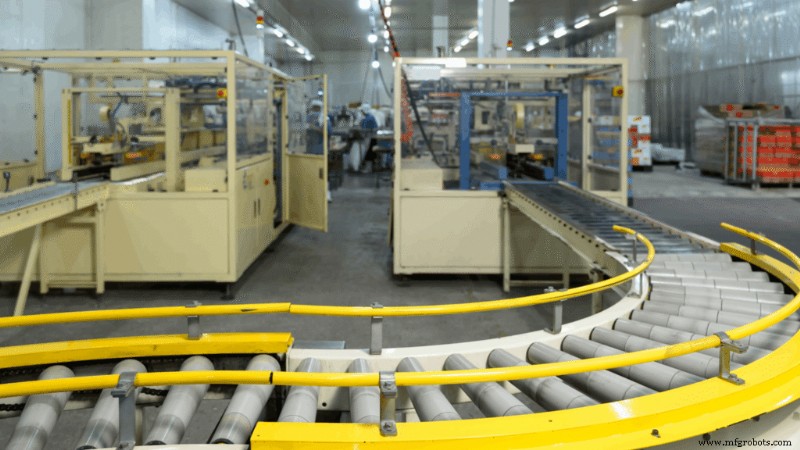
How Does a Conveyor System Work?
A conveyor system is an integrated ensemble of components that deliver a continuous, automated flow of material from point A to point B. The core mechanism—whether belt, chain, or rollers—is powered by a motor and guided by pulleys. Together, they translate mechanical energy into precise, controlled motion along a predetermined path.
What Are the Advantages of Using a Conveyor System?
Conveyors streamline operations by providing consistent, high‑volume transport. The key benefits include:
- Productivity Increase: Automation removes bottlenecks, enabling higher throughput.
- Labor Cost Reduction: Skilled operators can focus on value‑added tasks while routine handling is automated.
- Safety Enhancement: Eliminating manual lifting of heavy or bulky items reduces workplace injuries.
How to Design a Conveyor System
The design process unfolds in four essential steps:
- Assess Your Needs: Different industries impose unique constraints—food‑grade components for the food sector, chemical‑resistant materials for hazardous environments, and so on.
- Analyze the Load: Determine weight, size, shape, texture, and orientation requirements. Whether you’re moving powders, boxes, or fragile items, the load dictates the choice of carrying mechanism.
- Determine Throughput: Quantify the required volume (e.g., boxes per hour) and the desired transport speed. High throughput demands faster line speeds and appropriately sized drives.
- Define the Path: Map the exact route—including inclines, curves, and merges—to finalize the system layout.
How to Select Conveyor Belting
Choosing the right belt or chain is pivotal. The main options are:
- Rollers: Ideal for heavy, flat‑bottomed items. They can be gravity‑driven or motor‑assisted.
- Chains: Robust for very heavy loads such as full pallets.
- Belts: Available in rubber, PVC, or fabric. Flat belts suit standard items; cleated belts handle inclines or prevent slippage.
Proper tensioning and alignment prevent slippage, minimize wear, and ensure safe, efficient operation.
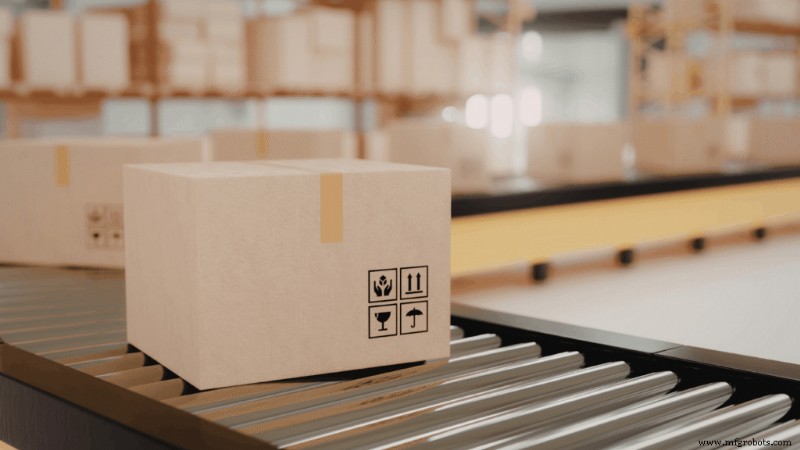
What Is the Structure of a Conveyor System?
Conveyors consist of six core components:
- Carrying Mechanism: Belt, chain, or rollers.
- Pulleys: Guide and support movement.
- Frame/Structure: Steel or aluminum framework that bears the load.
- Drive Unit: Motor and gearbox that drive the system.
- Tensioning System: Maintains optimal belt tension.
- Controls/Integration: Software and hardware that govern speed, start/stop, and synchronization.
How to Choose the Right Conveyor System
With a clear understanding of your application and the system’s components, selecting the optimal solution becomes straightforward.
Match the Solution to the Application
Material characteristics, facility layout, environmental conditions, and any special requirements must all be aligned with the chosen conveyor type.
Match Carrying Mechanism to the Material
Each mechanism serves distinct purposes: belts for general handling, chains for heavy or bulky loads, and rollers for flat, heavy items. Material selection should reflect these nuances.
Determine Conveyor Line Speed
Line speed directly influences throughput, motor sizing, and product indexing. Accurate calculations are essential to avoid bottlenecks and maximize efficiency. Our JHFOSTER engineers can help you compute the ideal speed for your application.
Why Is Throughput Critical in Conveyor System Design?
Throughput dictates line speed, width, and motor size. Optimizing for throughput ensures that your conveyor meets production demands without creating downstream delays. Rely on JHFOSTER’s expertise to tailor every component to your throughput requirements.
Contact our engineering team today for a custom conveyor solution that powers your success.
-

President of Automation Integration, Tavoron
Robert Komljenovic is an experienced industrial and automation executive with more than 30 years of leadership across global manufacturing and automation organizations. As President of Automation Integration at Tavoron, he leads the company’s Automation Integration segment, focusing on strategic growth, operational performance, and collaboration across the platform. Prior to joining Tavoron, Robert held executive leadership roles in automation and advanced manufacturing companies, where he led business transformation, expanded market presence, and drove profitable growth. Robert also serves on the Society of Manufacturing Engineers Educational Foundation Board of Directors, supporting STEM education initiatives through scholarship and endowment programs.
View all posts
Industrial equipment
- Sodick’s Proprietary Linear Drives Enhance Machine Precision and Reliability
- Atlas Copco Showcases Cutting-Edge Brewing Solutions at BrewExpo America 2018
- What Is an Ichabod Crane? A Comprehensive Guide
- Understanding Flexible Factories: Key Benefits & How They Transform Production
- Top 5 Filling Machine Types & How They Boost Your Production Line
- The CMM Group: Leading Guides on Pollution Control & Thermal Processing
- Why Your Team Must Master Machine Maintenance: Boost Reliability & Cut Costs
- Gov. DeSantis Visits Eau Gallie High School; Monroe Aerospace Supports Technician Program
- Boost Your Factory Efficiency: 3 Proven Strategies to Maximize Machine Productivity
- Pump Cavitation Explained: Causes, Symptoms, and Prevention for Industrial Pumps