



Die Casting Explained: Process, Benefits, and Applications
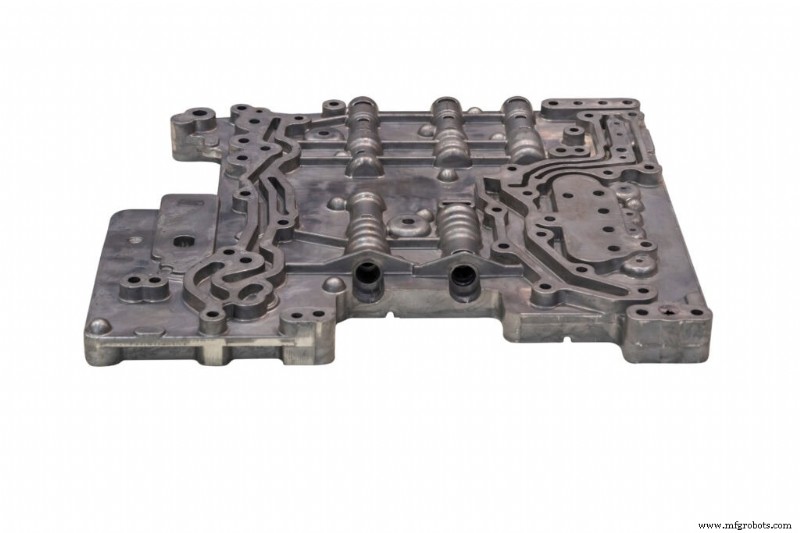
Die casting is a proven metal fabrication method that injects molten alloy into a precision steel mold under high pressure, yielding parts that are both exacting and robust. The process underpins critical sectors—automotive, aerospace, and heavy‑equipment manufacturing—where repeatability and dependability are essential.
This article delves into the die‑casting workflow, its key benefits, industry uses, and how Rapid Axis’s expertise can meet your production requirements.
Understanding the Die Casting Process
At its core, die casting injects molten alloy into a steel die under pressure, shaping the part and guaranteeing tight tolerances. The process excels with non‑ferrous metals—aluminum, zinc, magnesium—thanks to their favorable strength‑to‑weight ratios and excellent castability.
It works almost identically to injection molding, but it uses molten metal instead of molten plastic. Here’s a step‑by‑step breakdown of the process:
- Clamping: The die’s two halves are locked together to maintain positional accuracy throughout the cycle.
- Injection: Molten alloy is forced into the cavity under high pressure, filling every cavity detail.
- Cooling: Rapid solidification within the die yields the finished component.
- Ejection: The solid part is released from the die once it has cooled sufficiently.
- Trimming: Flash and sprues are removed, leaving a pristine finish.
The result is a ready‑to‑use component.
Advantages of Die Casting
Die casting remains the industry’s go‑to method thanks to a suite of distinct advantages. Clients turn to Rapid Axis for the following reasons:
Precision and Complexity
The process enables production of highly complex geometries and razor‑sharp tolerances—essential for aerospace and automotive applications. Steel dies deliver uniformity across high‑volume runs, cutting downstream machining costs.
Durability and Strength
Die‑cast parts exhibit superior mechanical performance, capable of enduring high stress. The use of lightweight alloys such as aluminum and magnesium offers a high strength‑to‑weight ratio, ideal for weight‑critical components.
High Efficiency and Cost‑Effectiveness
After die fabrication, the casting cycle becomes highly automated, delivering consistent throughput and minimizing labor expenses. Furthermore, scrap from runners and sprues is reclaimed and remelted, reducing waste and cutting material costs.
Excellent Surface Finish and Versatility
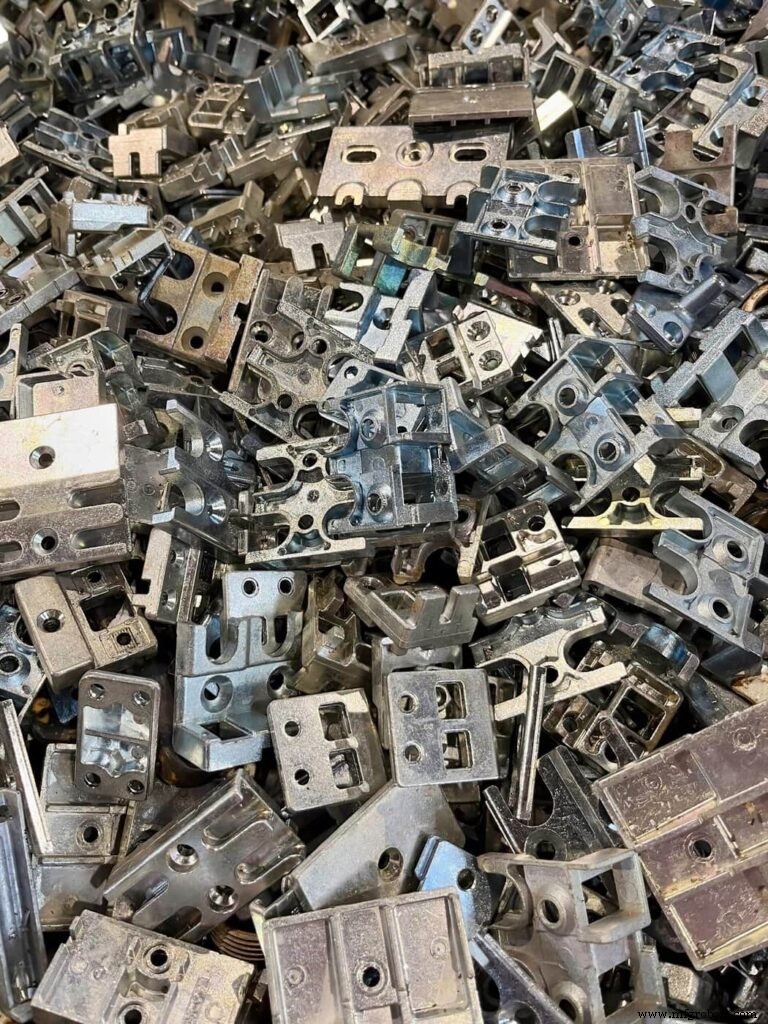
Components exit the die with inherently smooth surfaces, eliminating the need for extensive secondary processing. When finish is desired, powder coating, anodizing, or similar treatments are applied seamlessly, boosting aesthetics and durability. This adaptability makes die casting suitable for both functional and decorative parts. By integrating casting and finishing services, Rapid Axis reduces overall cost and lead time.
Common Applications of Die Casting
Die casting’s flexibility and dependability make it the preferred method across diverse sectors. Typical examples include:
- Automotive: Engine blocks, transmission cases, wheel hubs, and brackets.
- Aerospace: Aircraft seating components, housings, and lightweight structural parts.
- Electronics: Enclosures for devices, connectors, and heat sinks.
- Industrial Equipment: High-performance housings, valve bodies, and gears.
- Consumer Products: Hand tools, kitchen appliances, and decorative hardware.
Choosing Rapid Axis for Die Casting Needs
Rapid Axis blends cutting‑edge machinery with decades of die‑casting know‑how to produce components that meet the highest quality benchmarks. Our end‑to‑end service covers material selection, manufacturability analysis, and post‑processing—ensuring every part surpasses expectations.
Whether you’re scaling to high‑volume production or conducting prototyping, our team is ready. We provide:
- Custom mold design tailored to your part specifications.
- A comprehensive selection of non‑ferrous alloys to suit your specific needs.
- Full finishing services—anodizing, powder coating, and more.
Conclusion
Die casting remains a cornerstone of modern metal fabrication, delivering high‑quality, precise, and durable components. Its speed and design flexibility render it indispensable for automotive, aerospace, and industrial equipment manufacturers.
Partnering with Rapid Axis gives you expert guidance, state‑of‑the‑art production, and an unwavering commitment to excellence. Contact us today for a free quote and let us transform your designs into reality.
Industrial equipment
- Top Crane Control & Component Upgrades to Boost Efficiency and Cut Costs
- How Plastic Machinery Shapes Everyday Products
- 5 Key Factors to Choose the Right Padlock for Your Business
- CNC Lathe with Hydrostatic Linear Guideway for Ultimate Precision & Longevity
- Top Transportation Methods for Used Industrial Machinery
- Live Tooling: The Must-Have Feature for CNC Turning Centers
- Compressed Air & Gas: The Hidden Power Behind Thanksgiving Feasts
- Molded vs. Sintered Friction Materials: Key Differences Explained
- Help Shape U.S. Manufacturing Policy: 2026 Reshoring Survey Now Open
- Power Hacksaw Basics: How It Cuts Metal, Aluminum, and More