



How Much Does CNC Machining Cost? A Practical Guide to Pricing and Savings
Pinpointing the price of a CNC‑machined part can be tricky, especially when upper‑management asks for a clear budget. Rapid Axis has been quoting and fabricating parts since day one, and in this guide we break down the real factors that shape CNC pricing, show how you can reduce costs, and explain why we’re a reliable partner for every project.
CNC machining doesn’t have a single sticker price. Instead, the final cost hinges on a mix of design complexity, material choice, part quantity, tolerances, machining time, and finishing requirements. Rapid Axis uses a proven quoting system that delivers per‑unit or per‑project prices that match the actual production cost.
On average, our hourly rates range from about $60 to $150+, reflecting the precision, tooling, and skill level required for each job.
While we don’t usually disclose a line‑by‑line cost breakdown, we can explain how each factor influences the final price and help you redesign to save money.
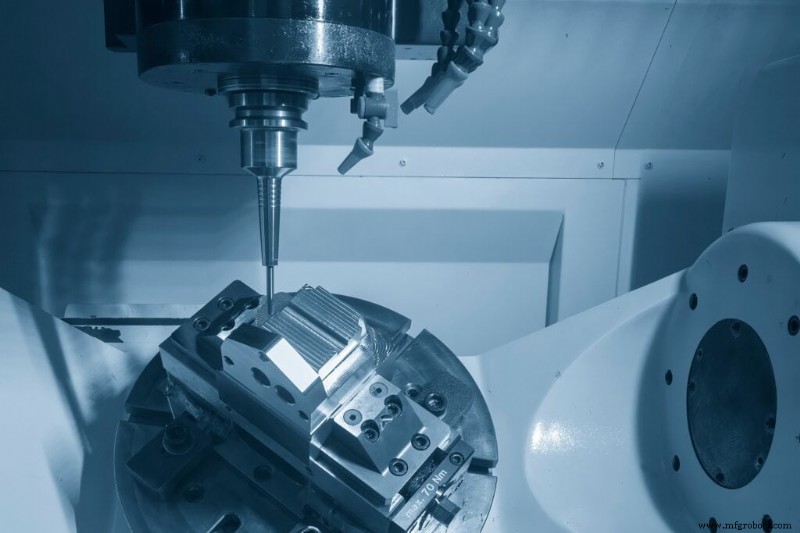
Factors That Determine CNC Machining Costs
Below we dive deeper into the key variables that affect pricing.
Number of Units Needed
Every CNC job starts with a one‑time setup: machine configuration, material loading, feed and speed settings, and G‑code programming. That upfront time is spread across all units. A batch of 12 identical parts benefits from a single setup, reducing the per‑unit cost and often yielding bulk material savings.
Material Choice
Material is a major cost driver. Exotic alloys like Inconel or titanium can cost several times more than standard grades such as 304 stainless steel or 6061 aluminum. Choosing a common, readily available material not only lowers material cost but also speeds delivery.
Machinery Required
Different CNC machines have different operating costs. We always select the simplest machine that meets your specifications—typically a 3‑axis milling center—unless tighter tolerances or complex geometries demand a 4‑ or 5‑axis solution. Simpler setups mean lower hourly rates.
Precision and Part Tolerances
Parts that require ±0.005" tolerances demand extra machine time, higher‑precision tooling, and often more expensive stock. Looser tolerances—say ±0.25"—can dramatically cut costs.
Part Complexity
Intricate features, internal cavities, and tight clearances increase machining time and the need for skilled operators. Complex parts naturally cost more.
Prototyping vs. Production
Prototype runs are typically small batches with high per‑unit costs because of the setup burden. Once you move to full‑scale production, the per‑unit price falls sharply as the setup cost is amortized over many pieces.
Finishing Steps Required
Polishing, painting, sandblasting, or other surface treatments add labor and material expenses. If you need a finished, ready‑to‑use part, we’ll include those costs in the quote.
How to Reduce CNC Machining Costs
Here are proven strategies to keep your CNC budget in check.
Pick Common Materials
Standard grades like 304 stainless steel or 6061 aluminum are more affordable and widely stocked. Avoid exotic alloys unless the application truly demands them.
Look for Off‑The‑Shelf Solutions
Many components can be sourced as commercial parts and lightly machined. Replacing a custom tube with an off‑the‑shelf square tube, or using a 80/20 channel for a framework, can save hours of machining time.
Simplify, Simplify, Simplify
Simple designs are easier to machine, source, and maintain. A straightforward geometry lets us use lower‑cost equipment and reduces setup time.
Loosen Your Tolerances
When the application allows, relax tolerances. A shift from ±0.005" to ±0.25" can cut machining time and tooling wear.
Use Nominal Sizes Whenever Possible
Nominal dimensions help us use standard tooling and avoid extra operations. Apply them to:
- Drill sizes – standard cutters reduce tool changes.
- Overall sizes – matching a stock size means we can machine the part out in one pass.
- Thicknesses – standard plate thicknesses reduce material waste.
- Bolts and hardware – standard sizes from suppliers save time and cost.
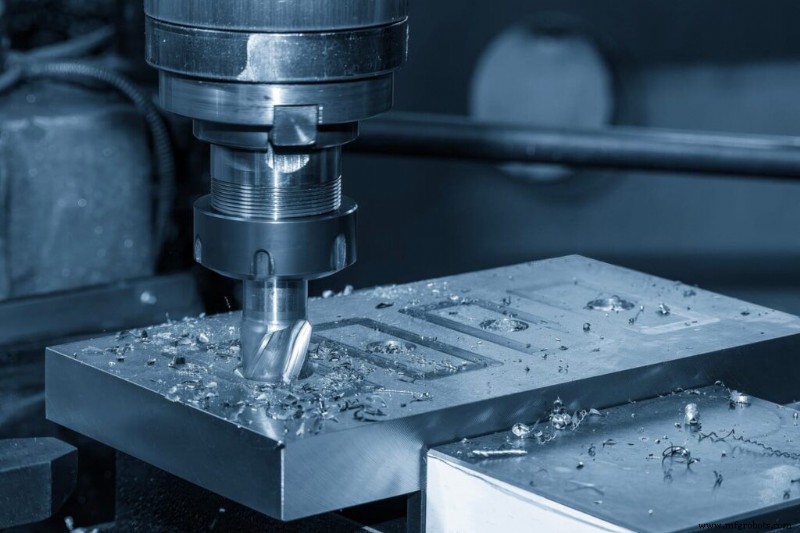
Optimize Your Parts for Manufacturing
Remove unnecessary features, avoid deep tapped holes, and use standard features. We’re happy to review your drawings and suggest cost‑saving changes.
Get the Most from Rapid Axis
With decades of experience, Rapid Axis can handle everything from one‑off prototypes to large production runs. We’ll guide you through design review, cost optimization, and manufacturing planning so you never overpay.
Conclusion
Understanding the variables that drive CNC pricing helps you prepare a realistic budget and identify savings opportunities. Contact us for a free quote and discover how Rapid Axis can deliver high‑quality parts at the right price.
Industrial equipment
- Hurco’s WinMax Integrated Control Empowers 11 Advanced Machine Tools
- Heat Staking Explained: How It Strengthens Plastic Assemblies
- 5 Key Factors to Evaluate Before Choosing 60‑Ton Haulers
- Near‑Sourcing Explained: How Proximity Boosts Efficiency and Cuts Costs
- NAHAD Charts Course for 2021 Convention Planning Amid Industry Resurgence
- Atlas Copco Showcases Innovative Blower Tech at 2018 WEFTEC Conference
- Understanding Full Mortise Hinges: Function, Installation, and Benefits
- 10 Proven Crane Safety Practices to Prevent Accidents
- Discover the Vickers VMQ Series: Rugged, Modular Centrifugal Vane Pumps
- Plasma vs. Laser Cutting: How to Pick the Best Technology for Your Workshop