



CNC Machine Costs & In‑House vs Outsourcing: What Engineers Need to Know
Many engineers assume that CNC‑machined parts must be produced at an external shop. While outsourcing remains common, owning a CNC machine can offer control, speed, and cost advantages—if you’re ready to manage the investment and operation.
This guide explains the full price spectrum of CNC machines, the factors that influence those costs, and when it makes sense to buy versus outsource. Thanks to Rapid Axis’s experienced machinists for their expertise.
How much does a CNC machine cost? The answer depends on size, capabilities, and the level of automation.
Think of it like buying a car: a used Civic might cost a few thousand dollars, while a new Ferrari can exceed $500,000. CNC pricing follows a similar logic.
Entry‑level machines—typically 3‑axis mills suitable for standard tasks—range from $5,000 to $50,000. They’re ideal for engineers who need a basic, affordable tool but lack the complexity for advanced projects.
Mid‑range units, priced between $50,000 and $200,000, add extra axes, automation, larger work envelopes, and higher precision. These machines can serve most small‑to‑medium businesses and support a broader array of operations.
Industrial‑grade centers, including 4‑ and 5‑axis machining centers, start near $500,000 and can exceed a million dollars. These are reserved for full‑time machine shops that handle intricate, high‑volume work.
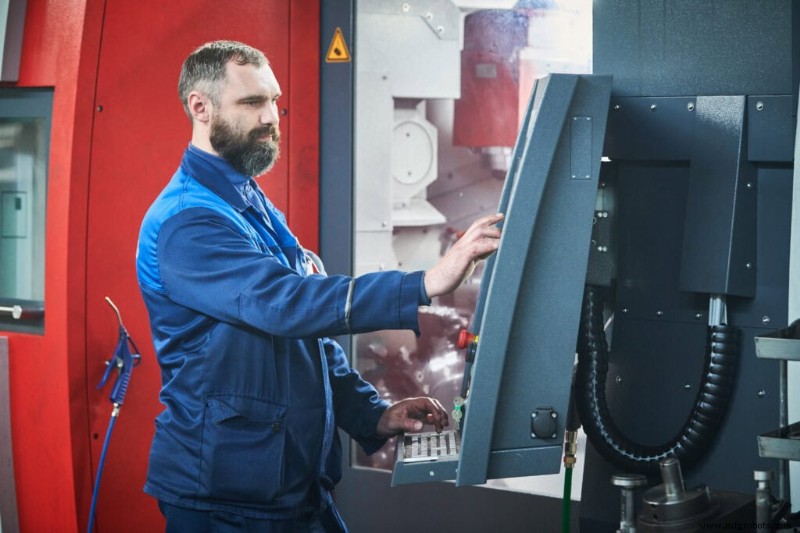
Key Factors That Drive CNC Machine Costs
Understanding the variables that push the price of a CNC machine helps you choose wisely.
Machine Size and Axes
Every additional axis or inch of work envelope adds to the cost. A small 2‑axis mill may be inexpensive, whereas a large 5‑axis center can exceed a million dollars.
Opt for the smallest machine that meets your needs; a 3‑axis mill can handle many projects without breaking the bank.
Advanced Features and Automation
Higher automation levels—such as automatic tool changers, integrated vision systems, and advanced safety interlocks—raise the price. Think of them as “bells and whistles” that improve throughput and precision.
Brand Reputation
Well‑established brands like Haas, Mazak, and DMG‑Fischer command premium prices because of proven reliability, robust support, and resale value. Emerging brands may offer lower cost but may lack the same level of trust.
Operating and Maintenance Costs
Beyond the purchase price, you’ll incur recurring expenses: trained operators, routine maintenance, tooling wear, and power consumption. These hidden costs can quickly add up.
Software and Training
Industrial CNCs often require dedicated CAM software, firmware updates, and operator training. Factor these into your total cost of ownership.
Buying vs. Outsourcing: Which Path Is Right for You?
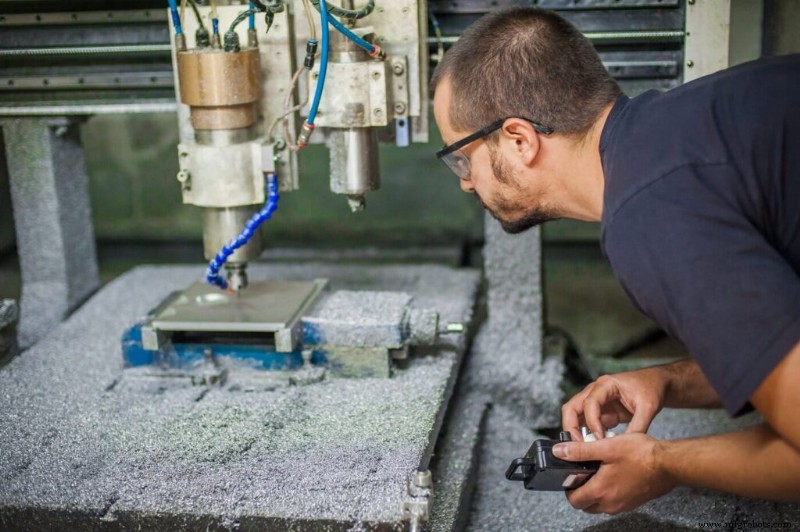
Let’s weigh the pros and cons of each approach.
Advantages of Owning a CNC Machine
- Full control: Every aspect of the manufacturing process is under your command.
- Speed and flexibility: Quick turnaround for prototyping and small batches.
- Cost efficiency for high volume: Once the machine is paid off, the per‑unit cost can drop significantly.
Challenges of Owning a CNC Machine
- High upfront capital: Acquisition, delivery, and installation can be expensive.
- Specialized skill set: Safe and efficient operation requires trained machinists.
- Ongoing hidden expenses: Maintenance, tooling, software, and space requirements add up.
- Space demands: CNC centers require ample floor area and storage for raw materials.
Benefits of Outsourcing to a Professional Shop
- Expertise: Certified machinists and state‑of‑the‑art equipment deliver high‑quality parts.
- Scalability: Seamlessly transition from prototypes to full production without additional capital.
- Reduced risk: Minimal training or safety concerns on your end.
- Finished‑product services: Polishing, anodizing, powder coating, and more are available.
- Multi‑process capability: 3D printing, injection molding, sheet metal work, and urethane casting can all be handled in one facility.
Potential Drawbacks of Outsourcing
- Per‑unit cost: Outsourcing can be pricier per piece, though it eliminates many overheads.
- Dependency on shop schedule: Production times hinge on the shop’s workload.
- Limited control over processes: You rely on the shop’s workflow and quality checks.
For most engineering teams, outsourcing remains the most cost‑effective and hassle‑free solution—especially when projects vary in size and complexity. Owning a CNC machine is advantageous only if you anticipate a consistent, high‑volume workflow that justifies the investment and ongoing costs.
How to Choose the Right CNC Path for Your Business
Begin by establishing a realistic budget: how much can you invest now, and how much can you allocate annually for operations?
Assess your manufacturing needs—types of parts, tolerances, and volumes. If a simple 3‑axis mill suffices for occasional projects, it may be worth the purchase. If you require multi‑axis capability or high precision, outsourcing may be more sensible.
Remember, adding a CNC shop means juggling engineering duties with shop management. If that balance feels overwhelming, professional services are the safer bet.
Need guidance? Contact Rapid Axis for an unbiased assessment and a tailored recommendation—no sales pressure, just expertise.
Conclusion
Outsourcing CNC machining offers speed, precision, and convenience, allowing engineers to focus on design rather than shop management. For those who need high volume, in‑house capability can pay off—but only after careful cost analysis.
Ready to move forward? Request a free quote from Rapid Axis today and let our team help bring your parts to life with world‑class machining.
Industrial equipment
- Proportional Solenoid Valves: Precision Control in Modern Manufacturing
- CNC Lathe with Hydrostatic Linear Guideway for Ultimate Precision & Longevity
- Thread Rolling Explained: How It Works and Why It Matters
- Mindsets of Sellers and Buyers in the Second‑Hand Industrial Machinery Market
- What Is a Dump Valve? How They Work and Why They’re Essential
- Understanding Hinge Openings: A Guide to Round, Square, Rectangular, and Countersunk Designs
- Axiom VIP Program: Exclusive Benefits & Premium Support
- Employee of the Month: Vicki Jara – Monroe Sattler’s Backbone in January 2021
- Eight-Spindle Lathe: Precision & Efficiency for Complex Parts
- Primary Air Receivers: Their Role, Benefits, and Optimal Usage