



Understanding Hinge Openings: A Guide to Round, Square, Rectangular, and Countersunk Designs
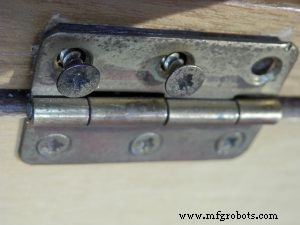
Hinges are engineered with specific openings to accommodate a range of fasteners—screws, bolts, or specialized pins—making them indispensable for doors, cabinets, vehicles, and industrial machinery. Each opening style offers unique advantages, from secure attachment to adjustability. Below, we break down the most common hinge opening types and explain which fasteners they pair best with.
Round Openings
Round openings are the most ubiquitous hinge design, featuring circular holes that align perfectly with standard screw heads. Because screws universally possess round heads, these hinges provide a quick, reliable installation method for everyday applications. The simplicity of round openings also facilitates easy replacement and maintenance.
Square Openings
Square openings, characterized by square-shaped holes, are tailored for square‑head bolts—often referred to as lag bolts or lag screws. The square head mates snugly with the opening, preventing rotation and ensuring a firm fit. This design is ideal for heavy‑duty or structural applications where maximum torque and load‑bearing capacity are required.
Rectangular (Slot) Openings
Rectangular or slot openings allow for lateral movement after installation. Unlike their round or square counterparts, these slots enable the hinge to be adjusted without removing fasteners entirely. By simply loosening the screws, the hinge can be repositioned to achieve the optimal alignment before being re‑tightened. This flexibility is especially valuable in cabinetry or when fine‑tuning door alignment.
Countersunk Openings
Countersunk openings taper toward the bottom, allowing the fastener head to sit flush with or slightly below the hinge surface. Whether the opening is round, square, or rectangular, a countersunk design ensures a smooth, streamlined profile that reduces snagging and improves aesthetics. This feature is commonly used in cabinetry, furniture, and automotive panels where a clean finish is essential.
Choosing the right hinge opening depends on the application’s load requirements, desired adjustability, and visual preference. By matching the opening type to the appropriate fastener, you can achieve a secure, durable, and aesthetically pleasing result.
Industrial equipment
- Understanding Machine Presses: Types, Functions, and Applications
- Milling Machines Explained: A Professional Guide to Types and Applications
- Anchor Bolt Types Explained: Cast‑In‑Place, Post‑Installed, and Expansion
- Choosing the Right Drawer Slides: Center‑Mounted, Under‑Mounted & Ball‑Bearing Options
- Industrial Air Compressors: Types, Benefits & Efficiency Tips
- Types of Oil Drilling Rigs: Offshore & Onshore Systems Explained
- Choosing the Right Brake Lining Material: A Comprehensive Guide
- Comprehensive Guide to Coupling Types for Efficient Project Outcomes
- Bandsaw Types Explained: Selecting the Perfect Saw for Every Cutting Task
- Tube Bending Mastery: Techniques, Applications, & Industry Standards