



Anchor Bolt Types Explained: Cast‑In‑Place, Post‑Installed, and Expansion
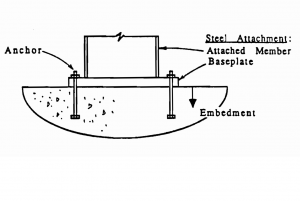
An anchor bolt is a specialized fastener engineered to secure structural components to concrete. Unlike conventional bolts that feature a long shank and a flat tip, anchor bolts have a unique design that allows them to be embedded within concrete. Although all anchor bolts serve the same basic purpose—providing a reliable connection—they come in several distinct styles, each suited to specific applications.
Cast‑In‑Place
A cast‑in‑place anchor bolt is named for the fact that it is integrated into the concrete during the pouring process. These bolts typically have a hexagonal head, and the head is inserted first into an opening in the concrete. Once the bolt is positioned, fresh concrete is poured around it, encasing the bolt and creating a permanent bond.
Post‑Installed
Post‑installed anchor bolts share many design features with cast‑in‑place bolts, including the hexagonal head and upside‑down installation. The key difference lies in the installation process: post‑installed bolts are driven into a pre‑drilled hole, while cast‑in‑place bolts are set in a cavity that is subsequently filled with concrete.
Expansion
Expansion anchor bolts expand once inserted into a pre‑drilled hole. After drilling the hole, the bolt is driven in; as it advances, a threaded sleeve or set screw pushes against the hole walls, creating a mechanical expansion that locks the bolt in place. Because of this expansion mechanism, these bolts provide a very strong, shear‑resistant connection.
Conclusion
In practice, anchor bolts fall into two broad categories: cast‑in‑place and post‑installed. Cast‑in‑place bolts are the most common choice for new construction, while post‑installed bolts—including expansion, undercut, self‑tapping, and power‑actuated types—are ideal for retrofit or replacement work. Selecting the right bolt depends on the specific load, exposure conditions, and installation constraints.
Industrial equipment
- Understanding Machine Presses: Types, Functions, and Applications
- Milling Machines Explained: A Professional Guide to Types and Applications
- Understanding Hinge Openings: A Guide to Round, Square, Rectangular, and Countersunk Designs
- Choosing the Right Drawer Slides: Center‑Mounted, Under‑Mounted & Ball‑Bearing Options
- Industrial Air Compressors: Types, Benefits & Efficiency Tips
- Types of Oil Drilling Rigs: Offshore & Onshore Systems Explained
- Choosing the Right Brake Lining Material: A Comprehensive Guide
- Comprehensive Guide to Coupling Types for Efficient Project Outcomes
- Bandsaw Types Explained: Selecting the Perfect Saw for Every Cutting Task
- Tube Bending Mastery: Techniques, Applications, & Industry Standards