



Stainless Steel Explained: Composition, Production, and Global Impact
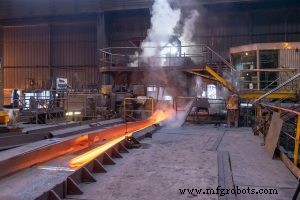
Stainless steel stands as one of the world’s most ubiquitous alloys, prized for its exceptional resistance to corrosion. By blending iron with chromium and a controlled amount of carbon, it remains impervious to rust even in moist environments. Despite its widespread use, creating stainless steel is a precise, multi‑stage process that demands expertise and stringent quality control.
The Basics of Stainless Steel
At its core, stainless steel is an iron‑based alloy that incorporates small quantities of carbon and at least 10.5% chromium, the latter giving the metal its hallmark corrosion resistance. First developed around the turn of the 19th century, the material rapidly gained traction across industries—from medical instruments to construction—due to its durability and hygiene. Today, global production exceeds 52 million tonnes annually, underscoring its integral role in modern manufacturing.
How Stainless Steel Is Made
Although stainless steel grades differ, the fundamental production steps are consistent. The process begins with smelting the raw elements—iron, chromium, and carbon—in either electric or gas furnaces. The intense heat liquefies the mixture, allowing for thorough blending of the constituents.
Next, excess carbon is removed. While carbon is essential for strength, its quantity must be tightly controlled; too much can compromise corrosion resistance. Stainless steel manufacturers typically employ vacuum degassing or oxygen blowing to drive surplus carbon to the surface for removal.
Uniform distribution of all alloying elements is critical. To achieve this, producers continuously stir the molten metal, ensuring a homogeneous composition that prevents localized weak spots.
As the alloy cools, it solidifies into a semi‑finished state. During this phase, manufacturers may shape the steel—commonly through rolling—to achieve the desired thickness and form. Once the steel has cooled and its microstructure has stabilized, it is inspected, cut to specification, and packaged for distribution or immediate use in engineering applications.
Industrial equipment
- Stainless Steel Handles: Advantages, Disadvantages, and Expert Insights
- How Stainless Steel Is Produced: From Smelting to Finished Products
- Austenitic Stainless Steel: Structure, Advantages, and Applications
- How Stainless Steel Is Made: From Raw Materials to Finished Products
- Stainless Steel Production: From Mill to Finished Product
- The Steel-Making Process Explained: From Iron Ore to Alloy
- Stainless Steel Grades: Types, Properties & Common Uses
- Stainless Steel Fabrication: From Raw Materials to Finished Products
- How to Keep Stainless Steel Clean & Corrosion‑Free: A Practical Guide
- Tool Steel Demystified: Composition, Manufacturing, and Industrial Applications