



Gaskets Explained: How They Seal Machinery and Keep Fluids in Check
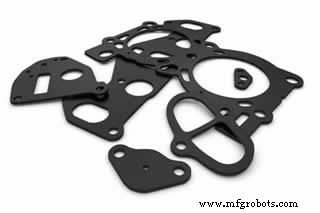
Most industrial machines are complex assemblies comprising dozens, sometimes hundreds, of individual components. When these components join, even microscopic gaps can allow pressurized gases or liquids to escape. Gaskets act as the invisible barrier that seals these joints, ensuring that fluids remain where they belong and that the system stays leak‑free.
What Exactly Is a Gasket?
A gasket is a precision‑crafted mechanical seal designed to sit between two or more mating surfaces. While two parts may appear flush, microscopic imperfections prevent a perfect seal. A gasket fills those gaps, creating a tight, leak‑proof interface that can withstand the operational pressures of the machine.
Take an automotive engine, for instance. The cylinder head and engine block are the two critical components that must stay sealed. A head gasket placed between them keeps coolant, oil, and combustion gases from leaking. Without a properly functioning gasket, these fluids would escape, compromising performance and safety.
How Gaskets Keep Fluids Contained
Gaskets operate by maintaining a sealed surface under compressive load. Each gasket type is engineered to tolerate a specific maximum pressure—its PSI rating—so long as the operating pressure stays below that threshold, the seal remains intact.
The effectiveness of a gasket depends on the material used. These materials are selected for their ability to resist pressure, temperature, and chemical exposure while maintaining elasticity or rigidity as needed. Common gasket materials include:
- Stainless steel
- Copper
- Fiberglass
- Rubber
- Silicone
- Cork
- Polytetrafluoroethylene (PTFE)
Designing a gasket requires precise knowledge of the mating surfaces. Most parts feature flat ends, but components that form hollow channels for pressurized fluids often demand custom‑shaped gaskets to conform to the internal geometry.
Industrial equipment
- Plate Clamps: Design, Function, and Benefits for Heavy‑Duty Lifting
- Lifting Magnets Explained: How They Work & Why They're Essential for Industrial Safety
- Thrust Bearings Explained: Types, Functionality, and Selection Guide
- Cup Magnets: Design, Function, and Selection Guide
- Flat Springs Explained: Design, Function, and Selection Guide
- Adjustable Glides: What They Are, How They Work, and Their Benefits
- Cam Locks Explained: How They Secure Cabinets Discreetly
- What Are Eye Screws? A Professional Guide to Their Design and Uses
- Understanding Grommets: Types, Uses, and How They Protect Your Gear
- Drum Brakes Explained: How They Work and Their Industrial Impact