



Plate Clamps: Design, Function, and Benefits for Heavy‑Duty Lifting
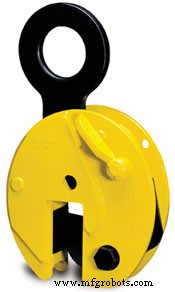
When selecting a clamp for heavy‑duty lifting, you’ll likely come across plate clamps. Unlike the hook‑style clamps most are familiar with, plate clamps consist of two circular plates that lock together around a load. Their simple yet robust design makes them a staple for a wide range of lifting applications.
What Is a Plate Clamp?
Plate clamps, also known as friction‑gripping lifters, are devices that secure a load and allow it to be lifted by a crane, hoist, or other lifting machine. Each clamp is made from two solid, round plates that are bolted together. The bottom of each plate features a small opening that houses a set of jaws.
How Plate Clamps Operate
The jaws form a tight, friction‑based grip around a chain, rope, or other attachment that passes through the opening. Because the jaws are closed from the bottom, the attachment can be fed into the clamp from below and will not slip out. When the attachment is inserted, the weight of the load compresses the jaws, locking the clamp in place. Many models include an additional locking mechanism that can be engaged for added security.
Key Benefits
- Ease of Use: Load attachments are slid into the clamp from the bottom opening, and the jaws automatically shift to accommodate the weight.
- Secure Locking: A built‑in latch or lock can be engaged for extra safety, especially on critical lifts.
- High Load Capacity: Plate clamps are engineered to handle significant weight. Typical capacities range from 1,000 lb to over 4,000 lb, depending on the model and construction.
When choosing a plate clamp, always consult the manufacturer’s specifications and verify that the clamp’s rated capacity meets or exceeds the weight of the load you intend to lift. Proper installation and inspection are essential for safe operation.
Industrial equipment
- Thrust Bearings Explained: Types, Functionality, and Selection Guide
- Cup Magnets: Design, Function, and Selection Guide
- Flat Springs Explained: Design, Function, and Selection Guide
- Adjustable Glides: What They Are, How They Work, and Their Benefits
- Backup O‑Rings: What They Are and Why They’re Essential for Leak Prevention
- Locking Washers Explained: Types, Functions, and Why They Matter
- CNC Machines Explained: How They Operate and Drive Modern Manufacturing
- I/O Cards Explained: How They Work and Why They Matter
- Understanding Drum Brakes: Function, Features, and Maintenance Tips
- Port Cranes Explained: How They Operate and Drive Global Shipping Efficiency