



Single‑Arm vs Multi‑Arm Levers: How They Differ and Which to Choose
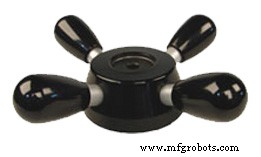
Lever arms—often called lever handles—are among the most reliable controls for industrial equipment. They provide a simple, tactile way to apply force to a machine, whether by turning or pulling. Two main designs exist: single‑arm levers and multi‑arm levers.
What Is a Single‑Arm Lever?
A single‑arm lever features one gripping arm that the operator holds and rotates or pulls. The simplicity of this design keeps the mechanism compact and easy to use in tight spaces. Because the action is focused on a single point of contact, it delivers precise control for tasks that require a narrow footprint.
What Is a Multi‑Arm Lever?
Multi‑arm levers incorporate two or more gripping arms. The most common variants are:
- Two‑arm levers – Two opposing arms provide balanced leverage and are frequently used where a moderate torque boost is needed.
- Four‑arm levers – Arms positioned at the top, bottom, left, and right give the operator multiple grip options, enhancing ergonomics and allowing the lever to be operated from different angles.
Because the operator can engage two arms simultaneously, multi‑arm levers typically generate greater torque than single‑arm designs.
Choosing Between Single‑Arm and Multi‑Arm Levers
When selecting a lever, consider the working environment and performance requirements:
- Space constraints – Single‑arm levers occupy less lateral space, making them ideal for compact machinery or confined work areas.
- Torque and ergonomics – Multi‑arm levers offer easier engagement and higher torque, reducing operator fatigue on heavy‑load applications.
- Grip flexibility – Four‑arm levers allow the operator to choose the most comfortable grip, which can be especially valuable in maintenance tasks or when the machine is mounted at an awkward angle.
Ultimately, the choice hinges on balancing physical space, required torque, and operator comfort. By matching the lever design to the specific application, you can improve safety, efficiency, and longevity of the machinery.
Industrial equipment
- Thermoplastic vs. Thermoset: Understanding Key Differences in Polymer Materials
- Wheels vs. Casters: Understanding the Key Differences
- O‑Rings vs. Gaskets: Understanding Their Roles and Key Differences
- Forehand vs Backhand Welding: Key Differences and When to Use Each Technique
- Iron vs. Steel: Key Differences Explained
- Milling vs. Grinding: Key Differences Explained
- Washers vs. Gaskets: Key Differences Explained
- DC vs. AC Motors: Key Differences and Choosing the Right One for Your Application
- Understanding Single vs. Double Stage Hydraulic Pumps: Key Differences Explained
- Single-Acting vs Double-Acting Pumps: Key Differences Explained